You know the feeling. You spend eight hours in bed but wake up feeling like you ran a marathon in your sleep. Or you lie there for what feels like an eternity, watching the clock tick towards morning. Maybe your partner complains about your snoring, a sound that could rival a chainsaw. These aren't just minor annoyances; they're potential red flags for a sleep disorder.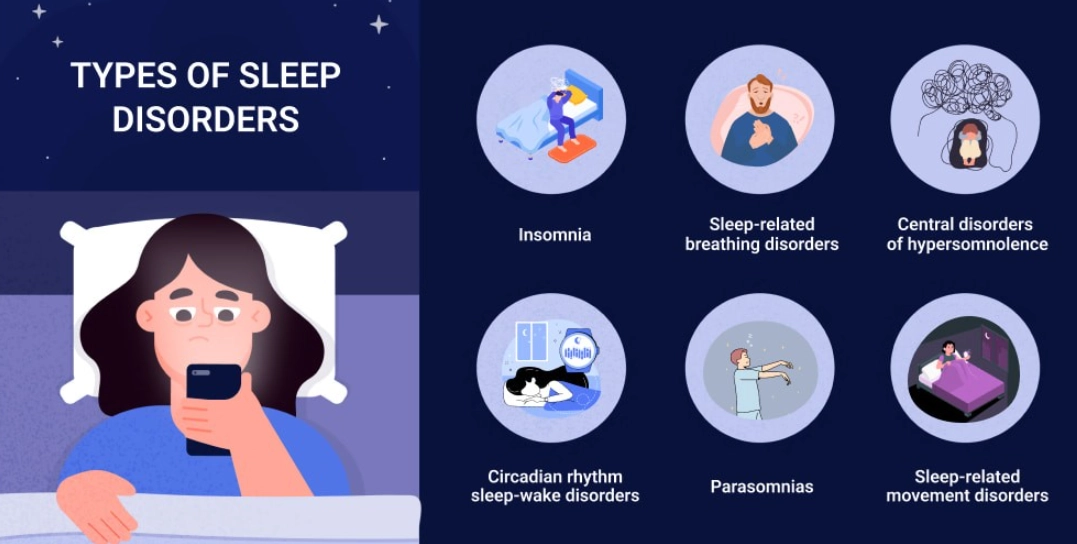
Understanding the specific characteristics of common sleep disorders is the first step out of the fog. It's not just about "bad sleep." Each disorder has a distinct fingerprint—a set of symptoms and patterns that, when recognized, point you towards the right diagnosis and, more importantly, effective treatment. Let's move beyond generic advice and look at what these conditions actually look and feel like in real life.
Your Quick Guide to Sleep Disorder Clues
The Hallmarks of Chronic Insomnia: It's More Than Just "Can't Sleep"
Everyone has a bad night now and then. Chronic insomnia is different. The American Academy of Sleep Medicine defines it by its persistence and its daytime consequences. The core characteristic isn't just the lack of sleep; it's the impaired daytime functioning that comes with it.
Let's break down its signature features:
- Sleep Onset Struggle: Taking 30 minutes or more to fall asleep, most nights. Your mind is a browser with 50 tabs open, and you can't find the one playing the anxiety soundtrack.
- Sleep Maintenance Nightmares: Waking up multiple times during the night and having a hard time drifting back off. You become hyper-aware of every creak in the house.
- The Early Bird Curse: Waking up at 4 AM, wide awake, with a sense of dread about the coming day. No amount of counting sheep or deep breathing helps.
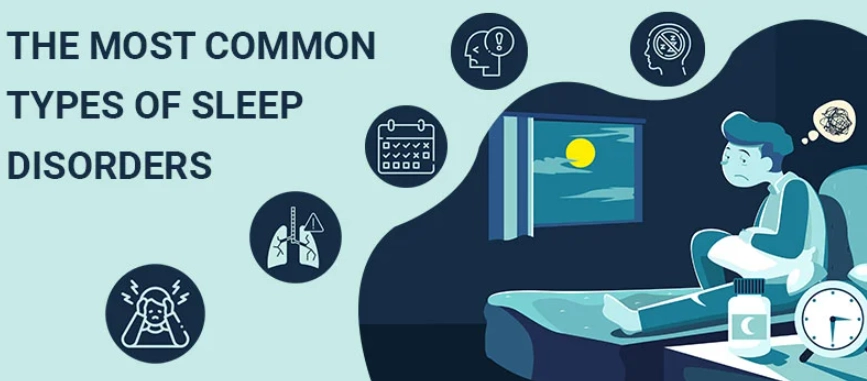
Here's the subtle error most people miss: They focus solely on the nighttime battle. The real diagnostic clue is what happens the next day. With true insomnia, you'll experience fatigue, sure, but also brain fog, irritability that feels out of character, and a noticeable dip in focus at work or while driving. If you sleep poorly but function fine, it might not be clinical insomnia.
Unmistakable Signs of Sleep Apnea (And Why You Might Not Remember Them)
Obstructive Sleep Apnea (OSA) is a master of disguise. The person with it often has no memory of its most dramatic events. The key characteristic is repeated breathing interruptions (apneas) or reductions (hypopneas) during sleep. Your brain has to briefly wake you up to restart breathing, fragmenting your sleep all night long.
You often rely on a bed partner's report or specific daytime symptoms to spot it:
- The Witness Report: Loud, chronic snoring punctuated by silent pauses where breathing stops, followed by gasps, snorts, or choking sounds. This is the single most common clue.
- Unrefreshing Sleep: Waking up feeling like you never went to bed, no matter how long you were asleep. A profound, heavy fatigue.
- Morning Headaches: Caused by fluctuating oxygen levels and carbon dioxide buildup overnight.
- Extreme Daytime Sleepiness: Falling asleep in passive situations—reading, watching TV, or, dangerously, while driving.
| Symptom | What It Feels Like | Why It Happens |
|---|---|---|
| Gasping/Choking at Night | Waking up suddenly with a jolt, feeling like you're suffocating. Often reported by a partner. | The brain's emergency response to a complete airway blockage, forcing a micro-arousal to restart breathing. |
| Nocturia (Frequent Nighttime Urination) | Waking up 2+ times per night to use the bathroom. | Apnea events increase pressure in the chest, signaling the heart to release a diuretic hormone (ANP). |
| Mood Swings & Irritability | Feeling short-fused, impatient, or depressed. | Chronic sleep fragmentation severely impacts the brain's emotional regulation centers. |
The Uncomfortable Truth of Restless Legs Syndrome (RLS)
RLS is characterized by an overwhelming, irresistible urge to move the legs. It's not a simple cramp or ache. Patients describe it as creepy-crawly sensations, itching bones, or a bubbling feeling under the skin. The hallmark is its diurnal pattern: symptoms are worst in the evening and at night, especially when at rest.
The movement provides temporary, but only temporary, relief. This leads to the second major characteristic: periodic limb movements during sleep (PLMS). These are involuntary jerks or kicks every 20-40 seconds that can significantly disrupt sleep continuity, often without the sleeper's awareness.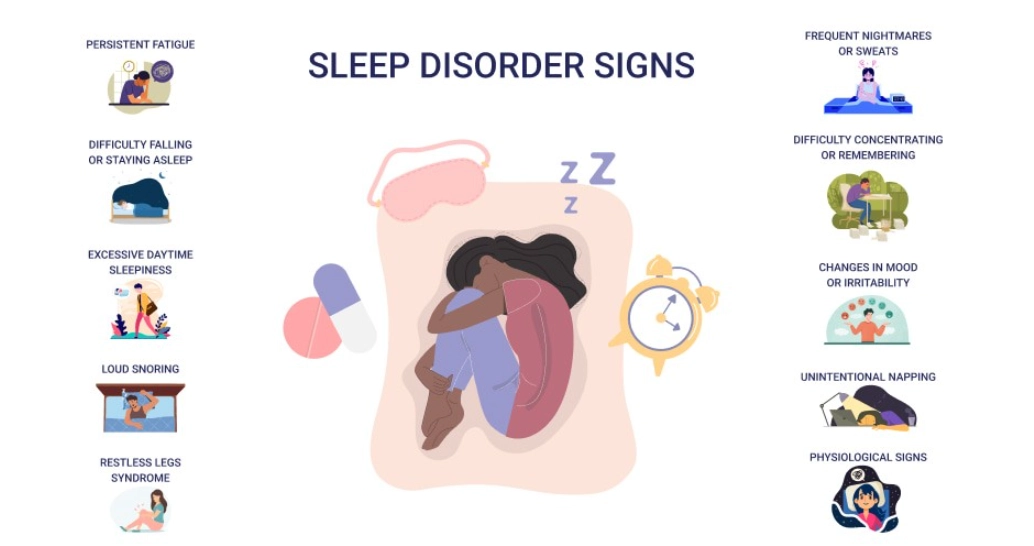
Narcolepsy: More Than Just "Falling Asleep Randomly"
Type 1 Narcolepsy's defining characteristic is the presence of cataplexy—a sudden, brief loss of muscle tone triggered by strong emotions like laughter, surprise, or anger. Someone might drop a cup, their knees might buckle, or their head might slump forward. This is due to a loss of hypocretin, a brain chemical that regulates wakefulness.
Beyond cataplexy, the disorder presents a classic tetrad of symptoms:
- Excessive Daytime Sleepiness (EDS): Not just tiredness, but severe "sleep attacks" where the urge to sleep is uncontrollable.
- Sleep Paralysis: Waking up unable to move or speak for a few seconds or minutes. Terrifying, but harmless.
- Hypnagogic/Hypnopompic Hallucinations: Vivid, often frightening dream-like experiences while falling asleep or waking up.
A crucial distinction: Many people with sleep apnea have severe daytime sleepiness. The key differentiator for narcolepsy is the quality of sleepiness. With narcolepsy, short naps are often refreshing for an hour or two. With sleep apnea, naps are long, unrefreshing, and leave you feeling groggier ("sleep drunkenness").
When Your Internal Clock is Off: Circadian Rhythm Disorders
The core characteristic here is a persistent misalignment between your natural sleep-wake cycle and societal demands. You can't sleep when you need to, and you can't stay awake when you have to.
Delayed Sleep-Wake Phase Disorder (Night Owl Syndrome)
Your natural sleep time is significantly later (e.g., 3 AM to 11 AM). You can sleep soundly and for a normal duration, but only on that delayed schedule. Forcing an earlier bedtime results in classic insomnia symptoms.
Advanced Sleep-Wake Phase Disorder (Early Bird Syndrome)
The opposite. You get overwhelmingly sleepy early in the evening (7-9 PM) and wake up spontaneously in the very early morning (3-5 AM). Trying to stay up late is agonizing.
The pattern is consistent and chronic, not just a preference. It feels like living in a permanent state of jet lag.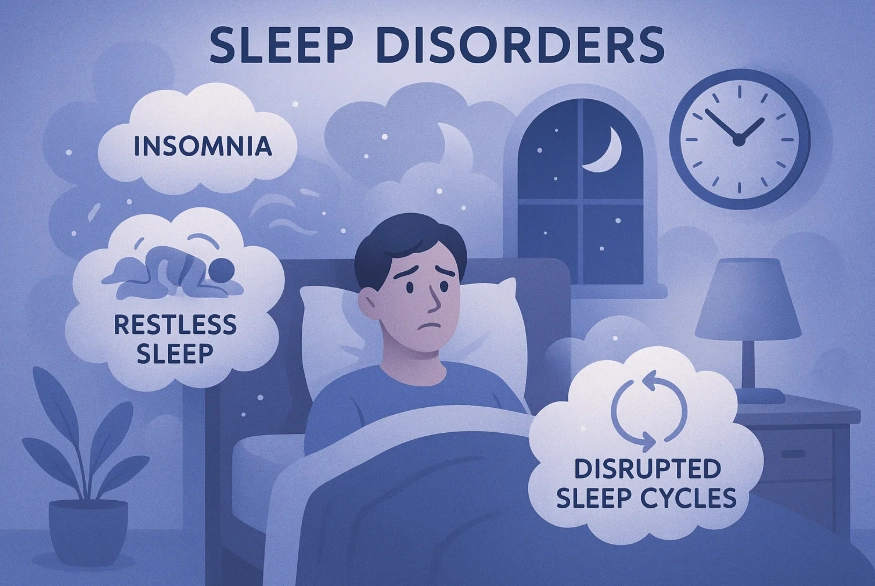
From Recognition to Action: What to Do If You See These Characteristics
Identifying with these descriptions is a powerful start, but it's not a diagnosis. Here's your concrete next-step plan:
1. Start a Sleep Diary for Two Weeks. Don't just think about it, write it down. Track bedtime, estimated sleep onset, wake-ups, final wake time, naps, caffeine/alcohol intake, and daytime mood/energy. Patterns will emerge that are gold for a doctor.
2. Talk to Your Primary Care Physician. Bring your diary. Describe your symptoms using the specific language we've discussed—"irresistible urge to move," "witnessed pauses in breathing," "unrefreshing sleep." This gets you past vague complaints.
3. Get a Referral to a Sleep Specialist. This is a neurologist, pulmonologist, or psychiatrist with specialized training. They are the detectives for complex cases.
4. Prepare for a Sleep Study (Polysomnography). For disorders like apnea, narcolepsy, or PLMS, this overnight test in a lab is the definitive diagnostic tool. It measures brain waves, oxygen levels, heart rate, breathing, and limb movements. A home sleep apnea test might be an option for suspected simple OSA.
Treatment isn't one-size-fits-all. For apnea, it might be a CPAP machine or an oral appliance. For insomnia, it's almost always Cognitive Behavioral Therapy for Insomnia (CBT-I), which is more effective long-term than sleep medication. For RLS, specific medications can correct dopamine or iron issues.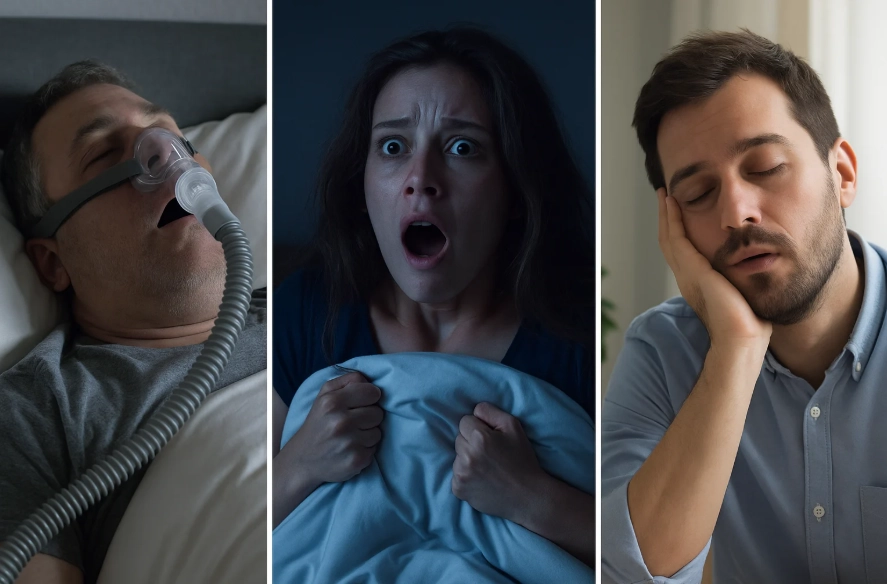
Your Sleep Disorder Questions, Answered
 My partner says I jerk my legs all night. Do I have RLS?
Reader Comments