You know the feeling. It's 2 AM, your mind is racing through tomorrow's to-do list, and sleep feels like a distant country. You've tried counting sheep, warm milk, even putting your phone away an hour before bed. Nothing works. That's where the idea of a fast sleeping spray starts to sound pretty appealing. Just a few spritzes on your pillow and you're off to dreamland? It sounds almost too good to be true. Having wrestled with sleep myself for years, I've tried nearly every trick in the book. Sleep sprays were one of the last things I tried, and honestly, I was skeptical. But after digging into the science and testing different products, I found they can be a useful tool—if you understand what they are and, more importantly, what they aren't.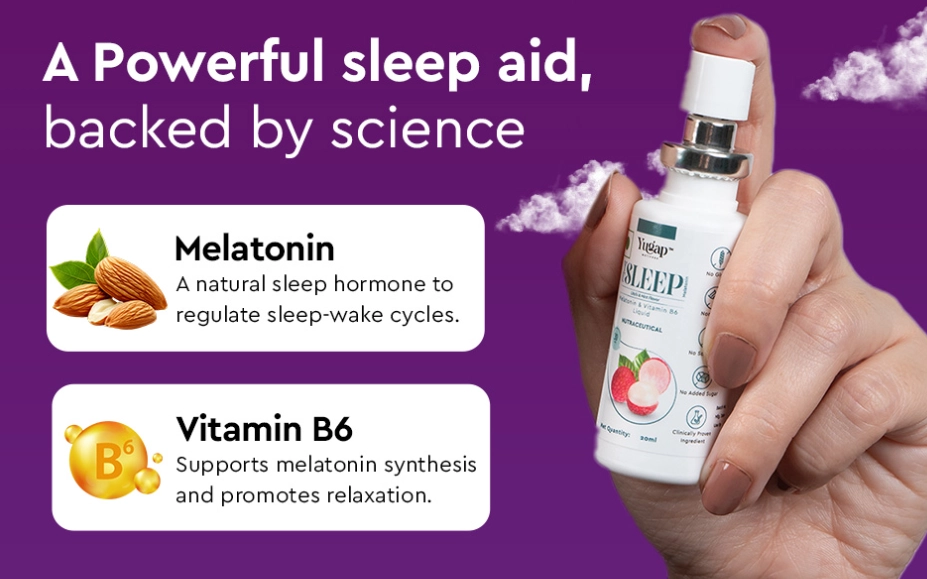
Quick Navigation: What's Inside This Guide
What Exactly is a Fast Sleeping Spray?
Let's cut through the marketing fluff. A fast sleeping spray isn't a magical knockout potion. It's typically a blend of natural essential oils, plant extracts, and sometimes minerals like magnesium, suspended in water or a light carrier oil, designed to be sprayed onto your pillow, bedding, or even into the air around you. The goal isn't to drug you into sleep, but to create a sensory environment that cues your brain and body to relax and wind down. Think of it as aromatherapy in a convenient spray bottle, specifically formulated for bedtime.
Most commercial sprays avoid strong pharmaceuticals. They rely on the principles of olfactory (smell) science. When you inhale certain scents, the molecules travel directly to your brain's limbic system, the area responsible for emotion and memory. This can have a powerful, immediate effect on your state of mind.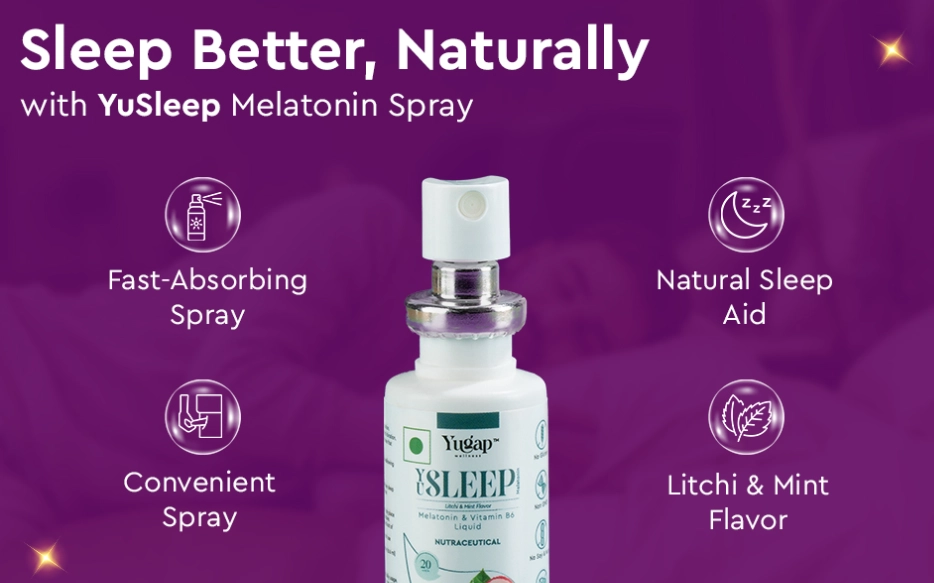
A Quick Reality Check
No responsible sleep expert will tell you a pillow spray alone can cure chronic insomnia. It's a sleep hygiene accessory, not a standalone treatment. If you have severe sleep issues, your first stop should be a healthcare professional. But for those nights where stress is the main culprit, a spray can be a fantastic part of your toolkit.
How Do These Sprays Actually Work?
The mechanism is surprisingly direct. It's not about your skin absorbing something that makes you drowsy (though some ingredients in roll-ons might). It's about your nose and your brain having a conversation.
The Science of Smell and Sleep
Your sense of smell is wired directly to the amygdala and hippocampus. These brain regions handle fear, emotion, and memory. A calming scent like lavender doesn't just smell nice; it can send a signal to dampen the nervous system's "fight-or-flight" response. This is key for sleep. You can't fall asleep if your body thinks it's in danger. By associating a specific, calming scent with bedtime, you're training your brain. After a while, the scent itself becomes a powerful psychological trigger for sleep. It tells your brain, "Okay, it's safe to shut down now."
I remember using the same lavender-chamomile spray during a particularly stressful work week. By the third night, just the act of spraying it became part of my ritual. My brain started to relax the moment I heard the hiss of the bottle.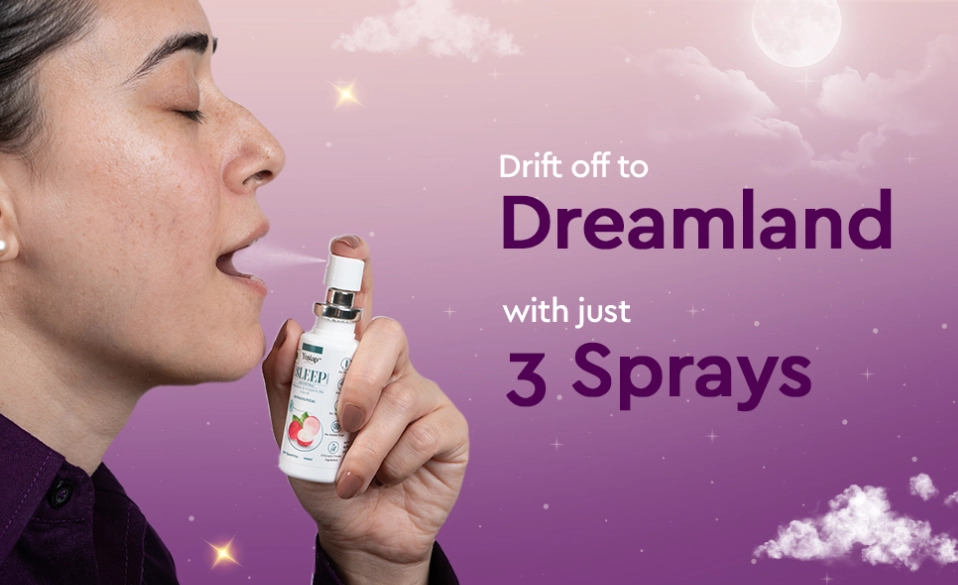
Key Ingredients and What They Do (A Breakdown)
Not all sprays are created equal. The ingredient list is everything. Here’s a look at the most common players and what the research says about them.
| Ingredient | Common Form | Primary Claimed Benefit | What Science Says* |
|---|---|---|---|
| Lavender Oil | Essential Oil (Lavandula angustifolia) | Reduces anxiety, promotes relaxation, improves sleep quality. | Strong support. Multiple studies, including a review in Mental Health Clinician, note its anxiolytic (anti-anxiety) and sedative effects. It's thought to influence GABA receptors in the brain. |
| Chamomile Extract | Oil or Extract (often Roman Chamomile) | Mild sedative, reduces nervous tension. | Good support for relaxation. The NCCIH notes its traditional use and some evidence for generalized anxiety. Its effect is generally considered mild and calming. |
| Valerian Root Extract | Extract or Oil | Helps with falling asleep faster and improving sleep quality. | Mixed but promising. Some studies show benefit, others don't. A meta-analysis in the American Journal of Medicine suggested it improves sleep quality without side effects for many. It may work by increasing GABA levels. |
| Bergamot Oil | Essential Oil (Citrus bergamia) | Uplifting yet calming, reduces stress hormones like cortisol. | Emerging evidence. A 2015 study in Phytotherapy Research found bergamot aroma reduced psychological stress responses. It's often used for its mood-balancing properties. |
| Magnesium | Magnesium Chloride or Glycinate (in some sprays) | Muscle relaxation, supports the body's natural sleep cycle. | Strong for deficiency. Magnesium is a crucial mineral for muscle and nerve function. The Sleep Foundation notes that magnesium deficiency is linked to poor sleep, and supplementation can help. |
*Always refer to original studies or authoritative sources like the National Center for Complementary and Integrative Health (NCCIH) for detailed information.
A common mistake I see? People buy a spray that's 99% water and fragrance with a drop of lavender and expect miracles. Look for sprays where botanical oils or extracts are listed high in the ingredients, not after "fragrance" or "parfum."
How to Use Fast Sleeping Spray for Best Results
Using it wrong is why many people think these sprays don't work. It's not an air freshener. Here's a step-by-step guide to get the most out of it.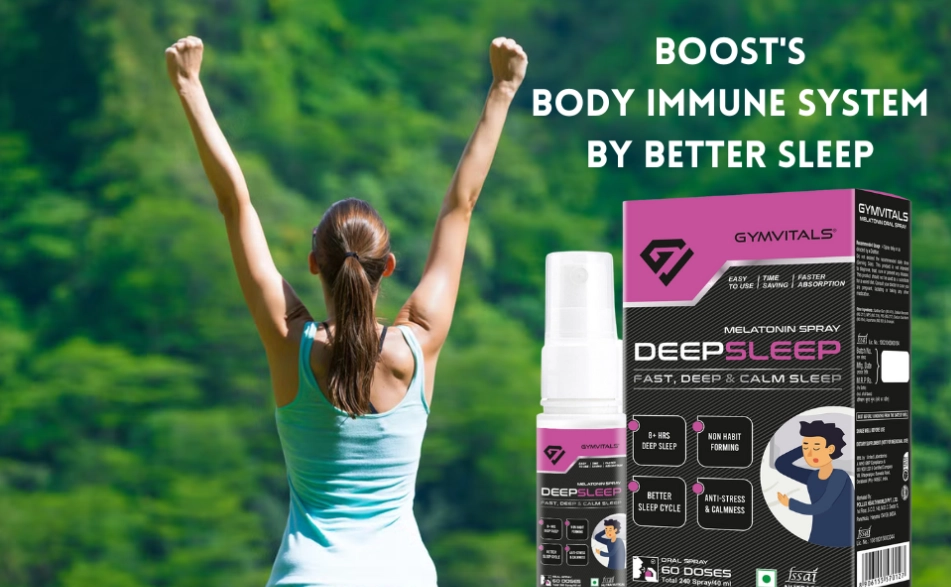
- Make It a Ritual, Not a Reaction. Don't wait until you're already panicking about not sleeping. Incorporate the spray into your pre-bed wind-down routine, 30-60 minutes before you want to sleep. This could be after brushing your teeth or during your reading time.
- Spray the Environment, Not Your Face. Hold the bottle 6-8 inches away from your pillow and give it 2-4 light sprays. You can also mist it lightly over your top sheet or into the air beside your bed. Avoid direct contact with eyes, nose, or mouth.
- Breathe Deeply and Mindfully. After spraying, take a few slow, deep breaths. Inhale through your nose, letting the scent fill your senses. This combines the olfactory benefits with a simple breathing exercise to further calm your nervous system.
- Pair It With Other Good Sleep Hygiene. The spray works best as the finishing touch on a good sleep foundation. That means a dark, cool, quiet room. It means putting screens away. The spray signals relaxation, but you have to give your body the right conditions to listen.
One thing I learned the hard way: more sprays don't equal faster sleep. Overdoing it can create an overpowering scent that's distracting or even irritating, especially if you have allergies or sensitivities. Start with less.
Is a Fast Sleeping Spray Right for You?
These sprays aren't a universal solution. They're fantastic for specific situations and less helpful for others.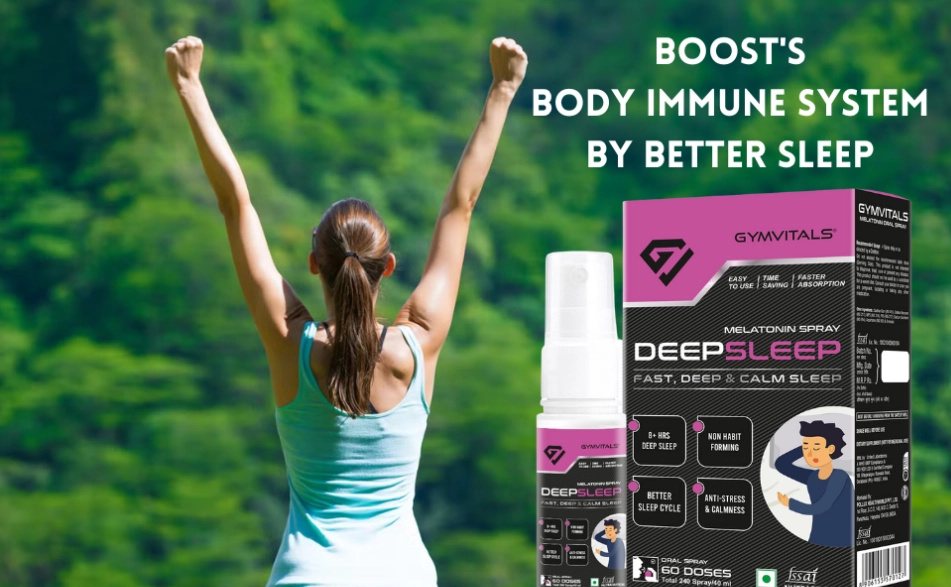
Who might benefit most?
- The Stressful-Day Sleeper: If your main barrier is a racing mind from work or daily stress, the scent-association can be powerful.
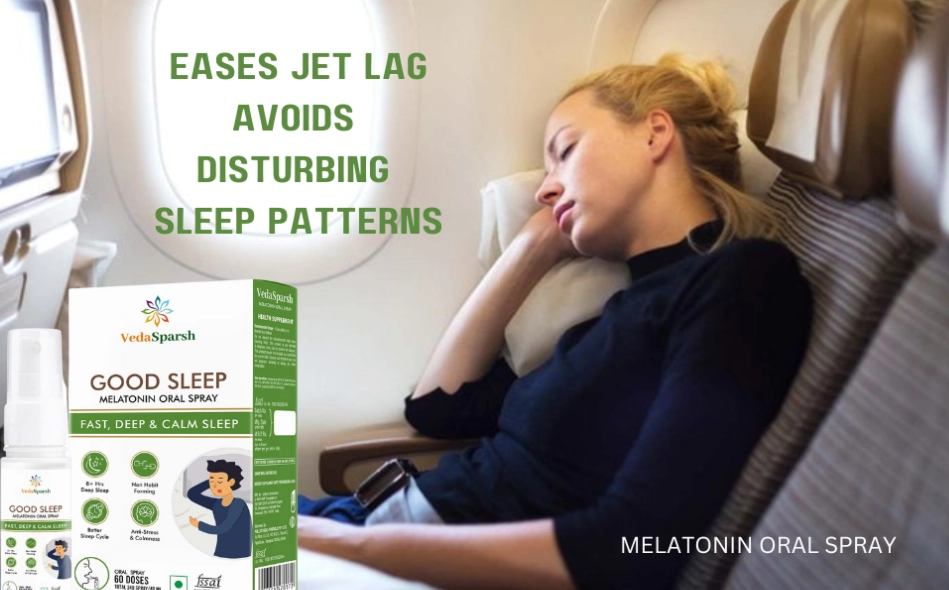
- The Traveler: Creating a familiar, calming sleep environment in an unfamiliar hotel room is a game-changer. The scent cue can override the "strange bed" effect.
- The Routine Builder: If you're trying to establish a consistent bedtime routine, adding a spray creates a strong sensory anchor.
- The Person with Mild, Occasional Sleep Trouble: For those nights when you just can't seem to switch off.
Who might want to look elsewhere?
- People with Severe Sleep Disorders (like sleep apnea or chronic insomnia): These require medical diagnosis and treatment.
- Individuals with Asthma or Severe Allergies: Essential oils can be triggers. Always patch-test and consult a doctor if unsure.
- Anyone Expecting a Knockout Drug: If you need pharmaceutical intervention, this isn't it. Manage your expectations.
- Pregnant or Nursing Women: Always check with a healthcare provider before using any product with essential oils.
The bottom line? A fast sleeping spray is a low-risk, potentially helpful tool for improving sleep onset through relaxation and conditioning. It's about creating a better environment for sleep to happen naturally.
Your Questions, Answered
Can I become dependent on a fast sleeping spray to fall asleep?
Not in a physiological, addictive sense like with some sleep medications. However, you can develop a psychological dependency on the ritual. The real goal is to use the spray as training wheels. Over time, your brain strengthens the association between relaxation and bedtime. Ideally, you might find you need the spray less often, or the routine itself becomes enough of a cue. If you feel anxious at the mere thought of not having the bottle, that's a sign to consciously practice sleeping without it a few nights a week.
How long does it take for a sleep spray to start working?
The olfactory effects are immediate. You should feel a sense of calm within minutes of inhaling the scent if it's a scent that works for you. The longer-term benefits—like falling asleep faster—can take a few days to a week of consistent use as your brain builds the association. Don't judge it on one night. Give it at least 5-7 nights as part of your routine.
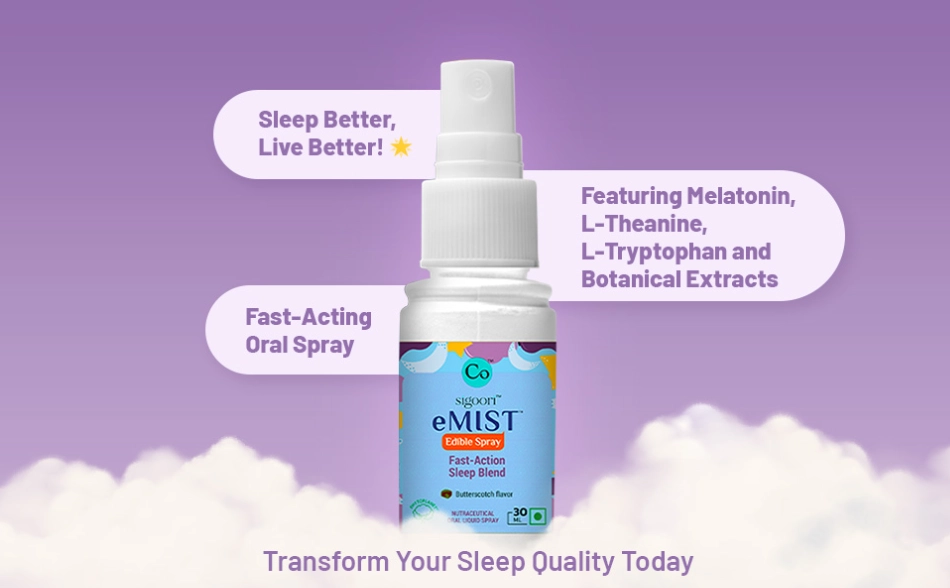 Are there any side effects to using natural sleep sprays?
Side effects are rare but possible. The most common are mild skin irritation if sprayed directly on skin, or respiratory irritation (coughing, sneezing) for those sensitive to strong scents or with allergies. A major, often overlooked side effect is disappointment from unrealistic expectations. Also, some essential oils can interact with medications. If you're on any serious medication, a quick chat with your pharmacist is a smart move.
Can I use a fast sleeping spray on my child's pillow?
Extreme caution is needed here. Children's systems are more sensitive. Many essential oils are not recommended for young children. Never use an adult sleep spray on a child's bedding. If you're considering a sleep aid for a child, always consult their pediatrician first. There are specific, very mild products formulated for kids, but professional guidance is essential.
 Is it better to buy a commercial spray or make my own?
This depends on your skill level and goals. Commercial sprays are convenient, consistent, and formulated for stability and safety. DIY mixes let you customize scents perfectly but come with risks: improper dilution of essential oils can cause skin irritation, and the mixture can spoil without proper preservatives. If you're new to this, start with a reputable commercial brand. If you're an experienced DIY enthusiast, use reliable recipes from trusted aromatherapy sources and always dilute properly in a carrier like distilled water with a dispersant (like solubol) or a light oil.
Reader Comments