Let's cut to the chase. You're searching for the trick to stop snoring because you or your partner is desperate for a full night's sleep. The constant rumble isn't just an annoyance; it's a thief of rest, a strain on relationships, and a potential red flag for your health. I've been researching sleep for over a decade, and here's the hard truth most articles won't tell you: there is no single, magical trick. The real solution is a process of elimination, a personalized troubleshooting guide for your airway.
Think of it like a noisy pipe. You don't just guess at the fix. You check for blockages, pressure issues, and structural faults. Your snoring is the same. The "trick" is systematically identifying what's causing your airway to collapse and vibrate.
What You'll Find Inside
- What Really Causes the Rumble in Your Throat?
- Foundation First: Lifestyle Tweaks That Actually Move the Needle
- The Gear That Can Help (And What's Often Overhyped)
- The Critical Step Everyone Avoids: When to See a Doctor
- Putting It All Together: Your Personal Action Plan
- Your Snoring Questions, Answered
What Really Causes the Rumble in Your Throat?
When you drift into deep sleep, the muscles in your throat, tongue, and soft palate relax. If they relax too much, they can partially block your airway. The air you breathe then forces its way through this narrower passage, causing the surrounding tissues to vibrate – that's the snore.
It's not just about being a deep sleeper. Key contributors include:
- Anatomy: A low, thick soft palate, enlarged tonsils/adenoids, a deviated septum, or even a naturally narrow throat.
- Sleep Position: Back sleeping lets gravity pull your tongue and soft palate straight back into the airway. It's the most common culprit.
- Excess Weight: Fatty tissue around the neck puts external pressure on the airway, narrowing it from the outside.
- Alcohol & Sedatives: They super-relax those throat muscles, making collapse much more likely.
- Nasal Congestion: A stuffy nose forces you to breathe through your mouth, creating turbulent airflow in the throat.
See the pattern? The "trick" depends on which of these factors is your main issue.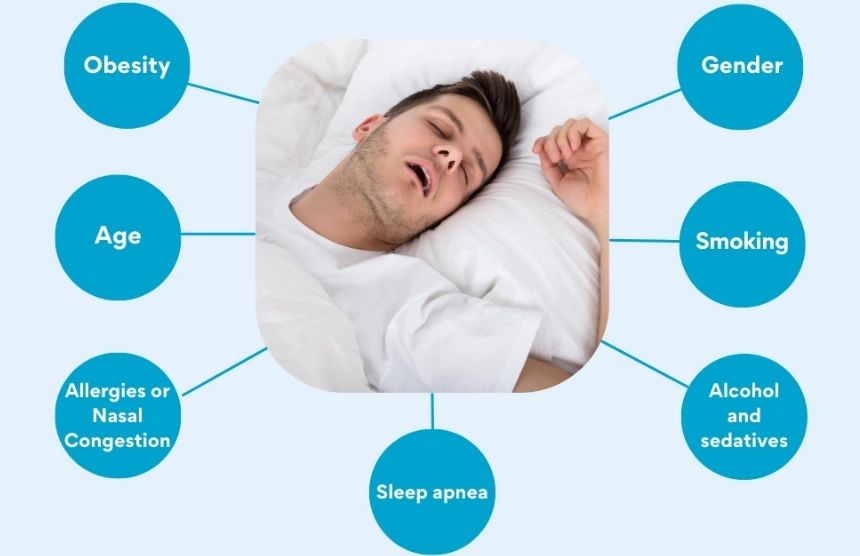
Foundation First: Lifestyle Tweaks That Actually Move the Needle
Skip this section, and you're wasting money on gadgets. These are the non-negotiable, foundational steps. Give them a genuine 4-week trial before you conclude they don't work.
1. Become a Side Sleeper (The Right Way)
"Just sleep on your side" is common advice, but poorly executed. The goal isn't just to roll over; it's to stay there and ensure your jaw stays forward.
The Tennis Ball Trick (Low-Tech & Effective): Sew a tennis ball into a pocket on the back of an old t-shirt. It's uncomfortable to roll onto your back, so you stay on your side. It works, but it feels like sleeping on a rock.
The Pillow Fortress (My Preferred Method): Use a firm, body-length pillow hugged against your chest, with another pillow snug behind your back. This creates a supportive "nest" that makes back-sleeping physically difficult and side-sleeping comfortable. The key is the hug pillow – it stops your top shoulder from collapsing forward and twisting your airway.
2. Look at What You Drink (And When)
Alcohol is a potent muscle relaxant. That nightcap might help you fall asleep, but it turns your throat into a floppy, snore-ready mess for the second half of the night. Try cutting off alcohol at least 3 hours before bed for two weeks. The difference can be shocking. The same goes for heavy meals or certain sleep aids.
3. Address Nasal Congestion Head-On
If you can't breathe through your nose, you'll mouth-breathe and snore. Simple.
- Try saline nasal sprays or a neti pot before bed.
- For allergies, consider non-drowsy antihistamines or nasal steroid sprays (talk to a pharmacist).
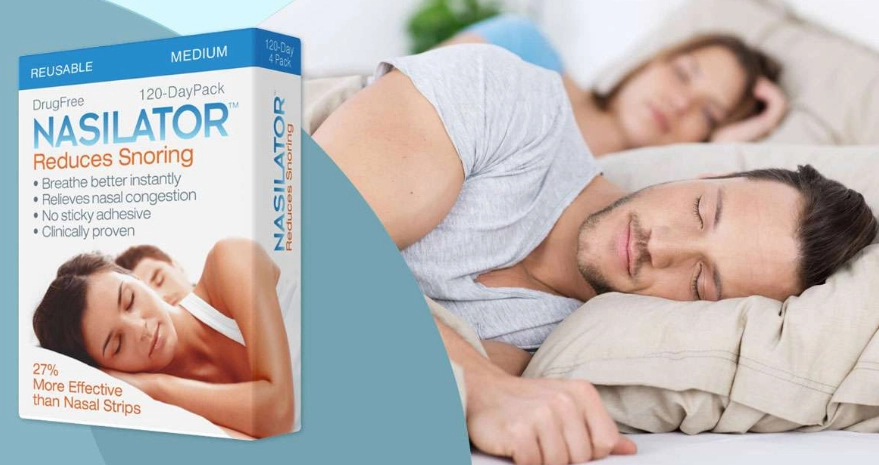
- Breathe Right nasal strips can physically pull open nasal passages. They only help if the blockage is in the front of your nose. If your congestion is deeper, they're just expensive stickers.
A Note on Weight: I'm not going to lecture you. But here's the mechanistic truth: fat deposits around the upper airway (neck) act like a constant, gentle hand squeezing your throat from the outside. Losing even 5-10% of your body weight can increase airway diameter enough to turn a roar into a sigh. It's the hardest trick, but often the most effective long-term solution.
The Gear That Can Help (And What's Often Overhyped)
If lifestyle changes aren't enough, it's time for tools. This is where people get lost in marketing claims.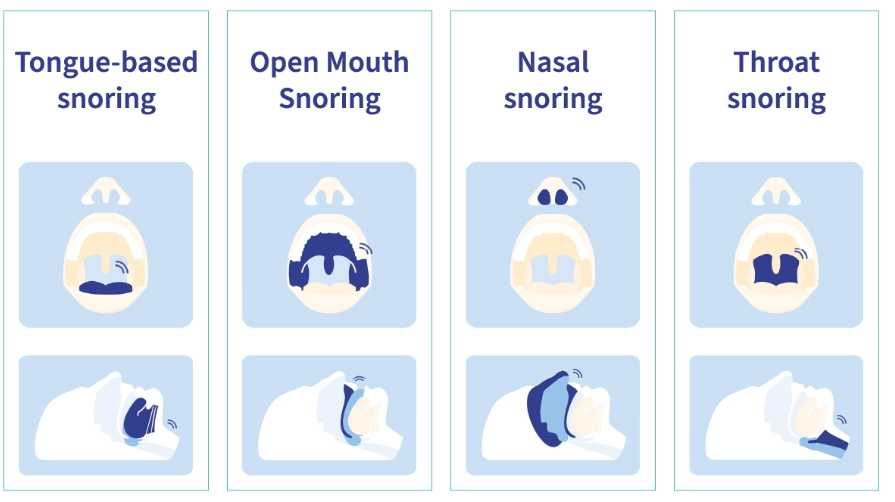
Mandibular Advancement Devices (MADs)
These are custom-fit or boil-and-bite mouthguards that gently pull your lower jaw forward. By doing this, they also pull your tongue forward, preventing it from blocking the airway.
The Good: Clinically proven to be very effective for many people. You can find reputable, dentist-designed over-the-counter versions for a fraction of the cost of a custom one.
The Not-So-Good: Jaw soreness is common for the first week. They can increase saliva production. They're not great for people with significant TMJ issues or poor dental health.
My Take: For tongue-based snoring, a MAD is often the single most effective device. Don't buy the cheapest one on Amazon; look for brands that offer different sizing kits and have dental professionals behind them.
Tongue Stabilizing Devices
These look… odd. It's a small plastic bulb that sits outside your lips, using suction to hold your tongue forward.
The Good: Excellent for people whose main issue is the tongue falling back. No jaw movement, so good for those with dental concerns.
The Not-So-Good: It takes getting used to. The suction sensation is strong. Drooling can be an issue initially.
Positional Therapy Wearables
These are high-tech versions of the tennis ball. Devices like the Night Shift or Smart Nora sense when you're on your back and give a gentle vibration to prompt you to turn, without fully waking you.
The Good: Highly effective for positional (back-sleeping) snorers. No mouthpieces or straps.
The Not-So-Good: Expensive. They only solve one specific problem (position). If you snore on your side too, they won't help.
Be Skeptical of: "Snore-stopping" pillows that claim to magically align everything. While a good pillow that keeps your neck neutral can help, the claims often outpace the results. Also, be wary of any pill, spray, or herbal supplement claiming to "strengthen throat muscles." There's scant scientific evidence for these.
The Critical Step Everyone Avoids: When to See a Doctor
This is the most important part of the guide. Snoring can be a primary symptom of Obstructive Sleep Apnea (OSA). OSA isn't just loud snoring; it's when the airway fully collapses, stopping breathing dozens or hundreds of times a night.
Red flags that mean you should talk to your doctor or a sleep specialist:
- Your snoring is punctuated by gasps, choking sounds, or silent pauses.
- You wake up feeling exhausted despite a full night in bed.
- You have daytime sleepiness, morning headaches, or difficulty concentrating.
- Your bed partner has witnessed you stop breathing.
Ignoring this is dangerous. OSA is linked to high blood pressure, heart disease, stroke, and diabetes. The gold-standard treatment for moderate to severe OSA is a CPAP machine, which uses gentle air pressure to act as a pneumatic splint for your airway all night. It's not sexy, but it's life-changing and life-saving for those who need it. A diagnosis starts with a simple at-home sleep test.
Putting It All Together: Your Personal Action Plan
So, what's the trick? It's this systematic approach:
Month 1: The Foundation. Commit to side-sleeping (use the pillow method), eliminate alcohol within 3 hours of bed, and manage nasal congestion. Record your results or ask your partner.
Month 2: Targeted Device. If snoring persists, identify the likely cause. Tongue-based? Try a tongue stabilizer. Jaw/tongue? Try a MAD. Purely positional? Consider a wearable. Buy from a reputable source with a return policy and give it a 2-week adjustment period.
Immediately: The Medical Check. If you have any red flags for sleep apnea, schedule a doctor's visit now. Don't wait. This overrides everything else.
The path to quiet nights requires patience and self-experimentation. What works for your friend may not work for you because your anatomy is different.
Your Snoring Questions, Answered
 The journey to quieter sleep isn't about finding a secret hack. It's about understanding the mechanics of your own airway and patiently testing solutions. Start with the foundation, be smart about gear, and never ignore the warning signs that point to a deeper medical issue. Your rest—and your partner's sanity—is worth the effort.
Reader Comments