You drag yourself out of bed, chug coffee, and still feel like you're moving through mud by 3 PM. Sound familiar? Before you blame your sleep or stress levels (which are important too), there's a high chance your body is screaming for specific micronutrients. The right vitamins for tiredness don't just mask fatigue; they fix the cellular engines that produce your energy. I've seen countless clients in my practice who were "doing everything right" but still exhausted, and a simple vitamin adjustment was the game-changer. Let's cut through the noise and look at what actually works.
What's Inside: Your Quick Guide to Fighting Fatigue
The Top 3 Vitamins That Directly Combat Tiredness
Not all vitamins are created equal when it comes to fighting fatigue. These three are the heavy hitters because they're directly involved in converting food into ATP—the molecule your cells use for fuel. A shortage in any of them is like trying to light a fire with wet wood.
1. B Vitamins (Especially B12, B9, and B1)
Think of B vitamins as the spark plugs in your energy-production engine. Vitamin B12 is the superstar for energy. It's crucial for red blood cell formation and nerve function. Low B12 means your blood can't carry oxygen efficiently, leaving you breathless and wiped out. Here's a twist many miss: taking B12 alone often doesn't work if you're low in other Bs like B9 (Folate). They work as a team. A study from the National Institutes of Health notes that folate and B12 deficiency often go hand-in-hand, causing a specific type of anemia that pure B12 won't fix.
Vitamin B1 (Thiamine) is another unsung hero. It helps convert carbohydrates into energy. If you live on processed carbs and sugar (which ironically drain you), you might be burning through your B1 reserves.
Personal Note: I once worked with a vegetarian client who was supplementing with B12 but still chronically tired. Her blood test showed borderline B12 but very low folate. Adding a B-complex (instead of isolated B12) made a noticeable difference in her energy levels within two weeks. The synergy is real.
2. Vitamin D
Calling vitamin D just a "bone vitamin" is a massive understatement. Receptors for vitamin D are found in almost every tissue, including muscle. Deficiency is strongly linked to non-specific fatigue and muscle weakness. A review published in the North American Journal of Medical Sciences concluded that correcting vitamin D deficiency significantly improves fatigue scores. The problem? Modern indoor lifestyles mean many of us are deficient, especially in winter or if you use sunscreen religiously (which you should for skin cancer prevention, but it blocks D synthesis).
3. Iron
Okay, iron is a mineral, not a vitamin. But no discussion on vitamins for tiredness is complete without it because iron deficiency is the world's most common nutritional cause of fatigue. Iron is the core component of hemoglobin, which carries oxygen. No iron, no oxygen delivery, no energy. This is especially critical for menstruating women, who lose iron monthly.
| Vitamin/Mineral | Primary Role in Fighting Fatigue | Key Food Sources | Typical Daily Dose for Deficiency* |
|---|---|---|---|
| Vitamin B12 | Red blood cell production, nerve function, DNA synthesis | Clams, liver, trout, salmon, fortified nutritional yeast | 1000 - 2000 mcg (sublingual often recommended) |
| Folate (B9) | Works with B12 to make healthy red blood cells | Lentils, spinach, black-eyed peas, asparagus, avocado | 400 - 800 mcg |
| Vitamin D | Regulates energy at the cellular level, supports muscle function | Sunlight, fatty fish (salmon, mackerel), egg yolks, fortified milk | 1000 - 4000 IU (Dose depends heavily on blood levels) |
| Iron | Makes hemoglobin to carry oxygen in blood | Red meat, lentils, spinach, tofu, pumpkin seeds | Varies widely; must be guided by a doctor post-testing |
*These are general ranges for addressing deficiency. Always consult a healthcare provider for personalized advice, especially for iron.
How to Know If You're Deficient in Energy-Boosting Vitamins
Guessing is a waste of time and money. The symptoms overlap: fatigue, brain fog, weakness. You might think you need iron when it's actually B12, or vice-versa. The gold standard is a blood test. Ask your doctor for a panel that includes:
- Complete Blood Count (CBC): Checks for anemia.
- Ferritin: This is your stored iron. It's the best indicator of iron deficiency, even before anemia shows up on a CBC.
- Vitamin B12 and Folate: Get both tested together.
- 25-Hydroxy Vitamin D: The standard test for vitamin D status.
Don't just start megadosing because you're tired. Too much iron is dangerous, and high-dose B vitamins can have side effects. Data beats guesswork every time.
Warning: A common mistake is taking a generic "high-potency" multivitamin. These often contain forms of vitamins that aren't well absorbed (like cyanocobalamin for B12 vs. methylcobalamin) or minerals that compete for absorption (calcium can inhibit iron absorption). One-size-fits-all rarely works for fatigue caused by specific deficiencies.
Food vs. Supplements: The Best Sources for Each Vitamin
Food first, always. Nutrients in food come with co-factors that aid absorption. But sometimes, food isn't enough, especially with modern diets and lifestyles.
For B12: If you eat animal products, liver and clams are powerhouses. For vegetarians/vegans, fortified foods are it. The body's ability to absorb B12 from food decreases with age, so supplementation often becomes necessary after 50, regardless of diet. Sublingual (under-the-tongue) sprays or tablets can be more effective than pills for some people.
For Vitamin D: Getting enough from sun and food alone is tough for most. A supplement is frequently needed. Take it with a meal containing fat (avocado, nuts) for better absorption.
For Iron: Heme iron from meat is absorbed much better than non-heme iron from plants. To boost plant-based iron absorption, pair it with vitamin C. Think: lentil soup with a squeeze of lemon, or spinach salad with bell peppers.
Common Mistakes That Keep You Tired (Even When You Supplement)
I see these all the time.
Mistake 1: Taking your iron supplement with coffee or tea. The tannins bind to iron and block its absorption. Take it with water or orange juice (vitamin C boosts absorption).
Mistake 2: Assuming a multivitamin covers your B12 needs if you're deficient. Most multis have 100-200% of the Daily Value (DV). For a diagnosed deficiency, you often need therapeutic doses (500-1000% DV) for a period to replenish stores.
Mistake 3: Ignoring magnesium. Magnesium is a co-factor for over 300 enzymatic reactions, including those that produce ATP. If you're supplementing with Vitamin D, know that it can increase your body's demand for magnesium. Low magnesium can cause muscle cramps and contribute to fatigue. Nuts, seeds, and leafy greens are great sources.
Fatigue is complex. Vitamins are a critical piece, but they work alongside sleep, stress management, hydration, and blood sugar balance. Fixing a vitamin deficiency can give you the energy baseline to tackle those other areas effectively.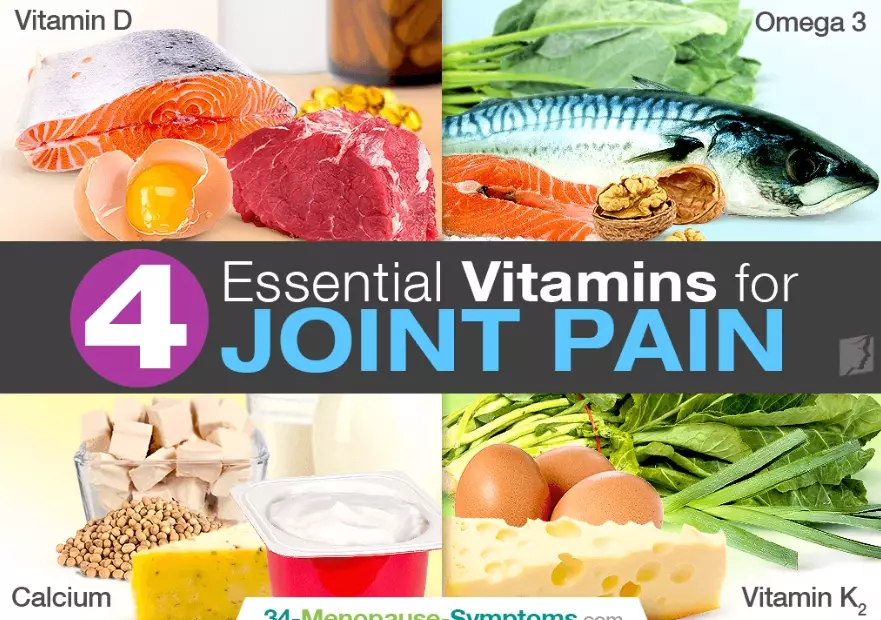
Your Fatigue & Vitamins Questions Answered
 How long after starting vitamins for tiredness should I feel a difference?
Reader Comments