Let's cut to the chase. When people ask about the most serious sleep disorder, they're often thinking about which one can literally kill you or cause the most irreversible damage. It's not a competition anyone wants to win, but based on mortality risk, direct health consequences, and prevalence, the answer is clear: Obstructive Sleep Apnea (OSA).
I've spent years looking at sleep data, and the pattern is frighteningly consistent. While insomnia ruins your quality of life and narcolepsy is incredibly disruptive, OSA operates like a silent saboteur, chipping away at your cardiovascular system night after night. The scariest part? Millions have it and don't know. They just think they're a "heavy snorer" or perpetually tired.
This isn't about fearmongering. It's about connecting the dots between that loud snoring your partner complains about and the high blood pressure your doctor is concerned with. They're often the same issue.
What You’ll Learn in This Guide
Defining "Seriousness" in Sleep Disorders
Before we dive deep into OSA, let's set the criteria. "Serious" isn't just about feeling awful the next day. We're looking at three hard metrics:
- Mortality Risk: Does it directly increase your chance of dying from a heart attack, stroke, or accident?
- Morbidity (Disease) Burden: Does it cause or worsen other major chronic diseases like hypertension, diabetes, or heart failure?
- Prevalence & Under-Diagnosis: How many people have it, and how many are walking around unaware? A rare, deadly disorder is a tragedy, but a common, deadly one is a public health crisis.
On all three counts, Obstructive Sleep Apnea stands out. It's an epidemic hiding in plain sight, often masked by the joke of "log-sawing" snoring.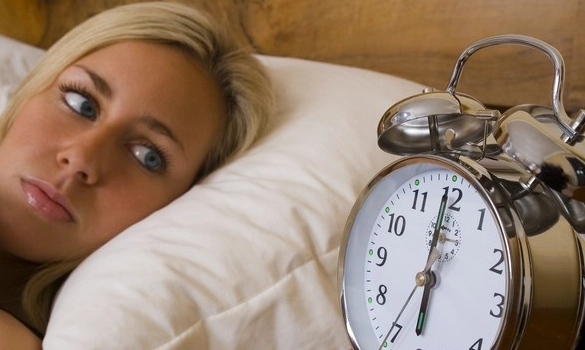
The Top Contender: Obstructive Sleep Apnea (OSA)
Here's what happens during an OSA event: your throat muscles relax too much during sleep, completely blocking your airway. You stop breathing. Your brain panics, triggers a micro-arousal (you don't fully wake up), you gasp for air, and the cycle repeats. This can happen hundreds of times a night.
Think of it as someone strangling you for 10-30 seconds, letting go, and then doing it again every minute. Your body is in a constant state of stress.
The Life-Threatening Consequences of Untreated OSA
The data from organizations like the American Academy of Sleep Medicine and the CDC is unequivocal. Untreated moderate to severe OSA is linked to:
- Hypertension: OSA is a leading cause of resistant high blood pressure. The constant oxygen drops and stress hormone surges keep your blood pressure elevated 24/7.
- Heart Disease & Stroke: The risk is 2-4 times higher. The strain on your heart from fighting for oxygen is immense.
- Type 2 Diabetes: OSA severely disrupts your metabolism and insulin sensitivity.
- Daytime Cognitive Impairment: This isn't just tiredness. It's slowed reaction times, poor judgment, and memory issues. Studies show severe OSA impairs driving ability as much as being legally drunk.
One study I often cite followed patients for over a decade. Those with severe, untreated OSA had a significantly higher risk of sudden cardiac death, especially during the sleeping hours. That's the definition of a serious disorder.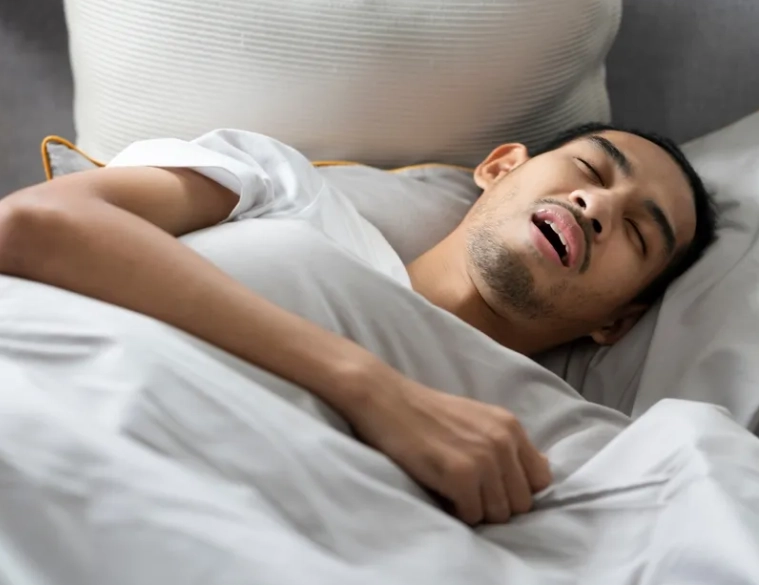
The Big Misconception: The biggest mistake I see? People, and even some doctors, treating the symptoms of OSA (high BP, fatigue) without ever looking for the root cause. You can't out-medicate a structurally collapsing airway.
Who's Most at Risk? (It's Not Just About Weight)
Yes, excess weight is a major risk factor. But I've diagnosed plenty of thin, fit individuals with OSA. Other key risk factors include:
- A narrow airway or large neck circumference (>17 inches for men, >16 inches for women). >Being male (though risk in women increases significantly after menopause). >Family history. >Alcohol or sedative use, which relax throat muscles further. >Anatomical features like a recessed jaw, large tongue, or enlarged tonsils.
If you snore loudly and have been observed gasping or stopping breathing and feel exhausted despite a full night's sleep, you need to get checked. Don't wait.
Beyond OSA: Other Serious Sleep Disorders You Should Know
While OSA takes the top spot for systemic danger, other disorders are profoundly serious in their own right. They may not kill you as directly, but they can destroy your quality of life, mental health, and safety.
| Disorder | Why It's Serious | Key Differentiator from OSA |
|---|---|---|
| Insomnia (Chronic) | Severely degrades mental & physical health. Strongly linked to major depression, anxiety, and a weakened immune system. The sheer prevalence makes its societal burden enormous. | Primarily a disorder of hyper-arousal and difficulty initiating/maintaining sleep. The danger is cumulative from chronic sleep deprivation. |
| Narcolepsy (with Cataplexy) | Poses immediate physical danger due to sudden sleep attacks and loss of muscle control (cataplexy), which can lead to falls and accidents. Profoundly life-altering. | An autoimmune neurological disorder. The primary issue is the brain's inability to regulate sleep-wake cycles normally. |
| Central Sleep Apnea (CSA) | Often a consequence of serious heart failure or stroke. The brain fails to signal the muscles to breathe. It indicates an already-sick nervous system. | The airway is open, but the brain's breathing command center is faulty. Often seen in conjunction with heart disease. |
| Restless Legs Syndrome (Severe) | Can cause crippling sleep deprivation and is associated with increased cardiovascular risk. The irresistible urge to move makes rest impossible. | A sensorimotor disorder. The primary symptom is an uncomfortable sensation in the legs, not a breathing obstruction. |
I've had patients with severe insomnia who would trade places with almost any other condition. The torture of chronic sleeplessness is real. But in terms of objective, measurable damage to the heart and blood vessels, OSA still leads.
How to Know If You Have a Serious Sleep Disorder: Diagnosis Pathways
Suspicion is the first step. For OSA, the gold-standard test is an in-lab polysomnogram (PSG). You sleep in a lab wired with sensors that track your brain waves, breathing, oxygen levels, and heart rate. It's comprehensive.
For many, a home sleep apnea test (HSAT) is a good, convenient first step. It's a simplified device you use at home. It's less comprehensive but excellent for catching moderate to severe OSA. The key is getting a test ordered by a sleep specialist who can interpret the results in context.
What most people don't realize is that a simple Epworth Sleepiness Scale score or a STOP-BANG questionnaire (you can find these online) can give you a strong hint. If your score is high, it's not a diagnosis, but it's a powerful reason to talk to your doctor.
For disorders like narcolepsy, the PSG is followed by a Multiple Sleep Latency Test (MSLT) the next day to see how quickly you fall asleep in naps. The process is more involved.
Treatment and Management: Taking Back Control of Your Sleep and Health
Here's the good news: OSA is one of the most treatable chronic conditions in medicine. Effective treatment dramatically reduces the associated health risks.
The Gold Standard: CPAP Therapy
Continuous Positive Airway Pressure (CPAP) is the first-line treatment for moderate to severe OSA. A small machine delivers gentle air pressure through a mask, acting as a pneumatic splint to keep your airway open.
Let's be honest: the idea of CPAP can be daunting. I've heard every concern. "I'll feel claustrophobic." "My partner will hate it." "It's not sexy." Here's my take after seeing thousands of patients: The ones who succeed view it not as a life sentence, but as life-saving equipment. Like glasses for your airway.
The modern machines are quiet, the masks are more comfortable than ever, and data from sources like the National Heart, Lung, and Blood Institute shows it works. It normalizes sleep architecture, lowers blood pressure, and reduces cardiovascular risk. The key is working with a good durable medical equipment provider who will help you find the right mask fit.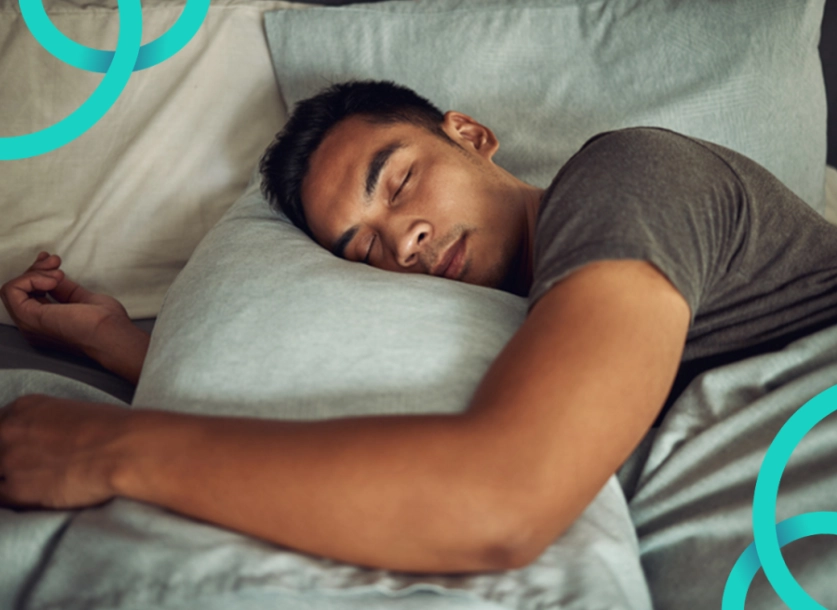
Other Effective Treatment Options
- Oral Appliance Therapy: A custom-fit mouthpiece from a qualified dentist that repositions your jaw to open the airway. Great for mild-to-moderate OSA or for those who can't tolerate CPAP.
- Positional Therapy: If you only have apnea on your back, devices that encourage side-sleeping can help.
- Weight Loss: Even a 10% reduction can significantly improve or even eliminate OSA in many cases.
- Surgery (UPPP, Inspire, etc.): Options for specific anatomical issues. Inspire is an implantable nerve stimulator that's a game-changer for select patients. It's not a first-line treatment but can be excellent when indicated.
The treatment for insomnia (Cognitive Behavioral Therapy for Insomnia, or CBT-I) and narcolepsy (stimulants, REM-suppressants) are completely different but also highly effective when properly managed by a specialist.
Ignoring a serious sleep disorder is like ignoring a check engine light that's flashing red. You might be able to drive for a while, but the damage under the hood is accumulating. Getting diagnosed is the single most important health decision you can make if you have symptoms.
Reader Comments