You know the feeling. It's late, the house is quiet, but your mind is a roaring engine. Your heart feels like it's trying to escape your chest, your thoughts are racing in frantic loops, and the simple act of falling asleep feels impossible. A nighttime anxiety attack has you in its grip. The more you worry about not sleeping, the worse the anxiety gets. It's a vicious cycle that leaves you exhausted and desperate.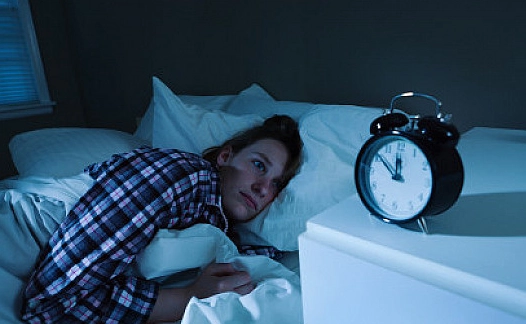
I've been there. For years, I thought the only option was to lie there and endure it, waiting for morning and a day of fog. But that's not a strategy—it's surrender. Through trial, error, and a lot of research (and conversations with therapists), I've learned that sleeping with an anxiety attack isn't about fighting it head-on. It's about a series of deliberate, gentle shifts that guide your nervous system back to a state where sleep is possible. This guide breaks down exactly how to do that.
In This Article
- Why Anxiety Attacks Hijack Sleep (and What Really Happens)
- Your Anxiety-Friendly Bedtime Routine: A Practical Blueprint
- In-the-Moment Tactics: How to Calm an Active Anxiety Attack for Sleep
- Long-Term Strategies: Reducing Nighttime Anxiety for Good
- Common Questions About Sleeping with Anxiety Attacks
Why Anxiety Attacks Hijack Sleep (and What Really Happens)
Let's get one thing straight: your body isn't trying to torture you. During an anxiety or panic attack, your sympathetic nervous system—the "fight-or-flight" system—is fully activated. This is a primal survival response. Your body is flooding with cortisol and adrenaline, increasing your heart rate and blood pressure, and tensing your muscles, all to prepare you to face a threat.
The problem? There's no saber-toothed tiger in your bedroom. The "threat" is your own thoughts, worries, or physical sensations. Your body is in high-alert mode, a state fundamentally incompatible with sleep, which requires the parasympathetic nervous system (the "rest-and-digest" system) to be in charge.
A key insight most articles miss: Trying to force yourself to sleep while in fight-or-flight is like trying to floor the accelerator and the brake of your car at the same time. It creates more tension and frustration. The goal isn't to jump straight to sleep. The goal is to first downshift your nervous system from "panic" to "calm." Sleep becomes a natural possibility once you're in that calmer state.
Common triggers for nighttime attacks include the silence that lets worries amplify, physical tiredness lowering your emotional resilience, or even the fear of insomnia itself creating a self-fulfilling prophecy.
Your Anxiety-Friendly Bedtime Routine: A Practical Blueprint
Think of this as creating a "buffer zone" between your stressful day and your sleep. A predictable routine signals safety to your brain. For an anxious mind, predictability is a superpower.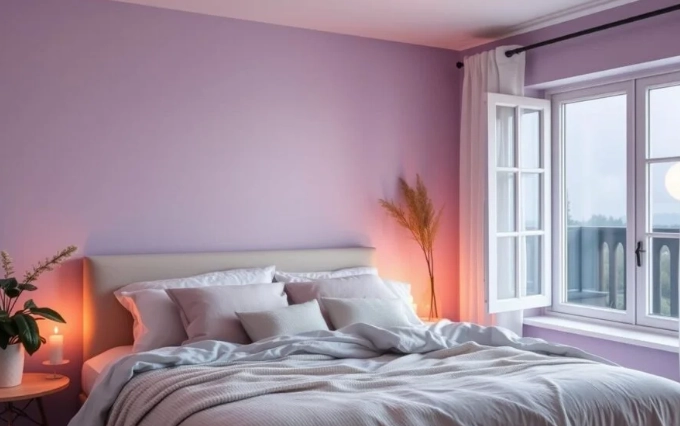
Here’s a blueprint for the 60-90 minutes before you want to be asleep. Don't try to do everything—pick two or three that resonate with you.
| Activity | What It Does | Pro-Tip / Pitfall to Avoid |
|---|---|---|
| The Digital Sunset | Reduces mental stimulation and blue light, which suppresses melatonin. | Put your phone in another room on a charger. Use an old-school alarm clock. If you must use a device, enable strict night mode 2 hours before bed. |
| Gentle, Boring Movement | Releases muscle tension built up from anxiety without raising cortisol. | 5-10 minutes of stretching or restorative yoga. Avoid intense cardio, which can be stimulating. |
| The "Brain Dump" Journal | Gets swirling thoughts out of your head and onto paper, decluttering your mind. | Don't write a novel. Just list worries and to-dos for tomorrow. The physical act of writing is key. |
| A Sensory Ritual | Anchors you in the present moment through smell or taste, engaging the parasympathetic system. | Sipping a cup of caffeine-free herbal tea (chamomile, lavender). Using a few drops of lavender oil on your pillow. |
| Dim, Warm Lighting | Mimics sunset, naturally encouraging melatonin production. | Swap overhead lights for lamps with warm bulbs. Use dimmer switches if you have them. |
The most common mistake I see? People do these things while still mentally running through their email or tomorrow's meeting. The activity itself is less important than the mindful intention behind it. Be present with the stretch, the taste of the tea, the scent. That's what tells your amygdala (the brain's fear center) that all is well.
In-the-Moment Tactics: How to Calm an Active Anxiety Attack for Sleep
Okay, you've done your routine, but you're in bed and the anxiety hits anyway. Your heart is pounding. This is the critical moment. What you do next determines whether you spiral or settle.
Step 1: Get Out of the Battle
First, change your physical position. If you're lying there rigid, staring at the ceiling, sit up. Turn on a very dim light if needed. This simple act breaks the "anxious corpse" posture and gives you a sense of agency. The goal isn't to sleep right now; it's to feel better.
Step 2: Breathe to Hack Your Nervous System
Forget "just take deep breaths." When panicked, that can feel impossible. Try the 4-7-8 method, popularized by Dr. Andrew Weil. It's physiological: the extended exhale triggers the vagus nerve, which directly calms the heart and nervous system.
- Inhale quietly through your nose for a count of 4.
- Hold your breath for a count of 7.
- Exhale completely through your mouth, making a whoosh sound, for a count of 8.
Do this for just 4 cycles. Focus on the counts, not your thoughts.
Step 3: Ground Yourself in the Room (The 5-4-3-2-1 Method)
Anxiety is future-tripping. Grounding brings you back to the safe present. Name, out loud or in your head:
- 5 things you can see (the pattern on the blanket, the dresser knob)
- 4 things you can feel (the cool pillowcase, the weight of the comforter)
- 3 things you can hear (the hum of the fridge, your own breath)
- 2 things you can smell (laundry detergent, the night air)
- 1 thing you can taste (the mint from your toothpaste)
Step 4: Use a Mental Distraction That Isn't Your Phone
If thoughts are still racing, give your brain a simple, absorbing task. Count backwards from 100 by 3s (100, 97, 94...). Try to name a country for every letter of the alphabet. The mental effort required occupies the working memory that anxiety is monopolizing.
Step 5: The 15-Minute Rule
If, after all this, sleep feels no closer, get out of bed. Go to a dimly lit chair and read a boring physical book (no thrillers!) for 15 minutes. The goal is to break the association between your bed and anxiety. Return to bed only when you feel drowsy.
Long-Term Strategies: Reducing Nighttime Anxiety for Good
While the above tactics are for acute attacks, reducing their frequency is the ultimate goal. This isn't about quick fixes, but building a more resilient system.
Daylight and Movement: Regular exposure to natural light, especially in the morning, helps regulate your circadian rhythm. According to the National Sleep Foundation, daily exercise is one of the most effective non-pharmaceutical ways to improve sleep and reduce anxiety—just finish it a few hours before bedtime.
Mind the Caffeine and Alcohol: This is a big one. Caffeine has a half-life of 5-6 hours. That 3 PM coffee could still be affecting you at 9 PM. Alcohol might make you fall asleep faster, but it severely fragments the second half of your sleep, often causing early morning awakenings drenched in anxiety—a phenomenon sometimes called "hangxiety."
Address the Root with Therapy: For chronic anxiety, tools like Cognitive Behavioral Therapy for Insomnia (CBT-I) are the gold standard. CBT-I helps you challenge the unhelpful thoughts about sleep ("If I don't sleep tonight, my whole tomorrow is ruined") and rebuild a healthy sleep drive. It's more effective in the long run than sleep medication for anxiety-related insomnia.
Consider your bedroom environment, too. Is it a sanctuary or a secondary office? Keep it cool, dark, and quiet. Reserve the bed for sleep and intimacy only—no work, no doomscrolling.
Common Questions About Sleeping with Anxiety Attacks
Should I just take a sleeping pill when I feel an anxiety attack coming on at night?
What if the physical sensations (heart racing, shaking) are so strong I can't focus on breathing or grounding?
I wake up with a panic attack at 3 AM every night. What's happening?
Is "counting sheep" actually helpful for anxiety-induced insomnia?
Reader Comments