You know the drill. It's 2 AM. The house is quiet. But your mind is a sold-out rock concert of worries—work deadlines, that awkward thing you said five years ago, the weird noise the car made. You watch the clock, feeling the pressure to sleep build with each passing minute, which only makes the anxiety louder. Sound familiar? This isn't just poor sleep; it's anxiety hijacking your rest, creating a vicious cycle where fear of sleeplessness fuels the very insomnia you dread. Let's break that cycle.
What You'll Find in This Guide
Understanding the Anxiety-Sleep Vicious Cycle
Before we fix it, we need to see the trap. Anxiety and poor sleep feed each other in a loop that feels impossible to escape.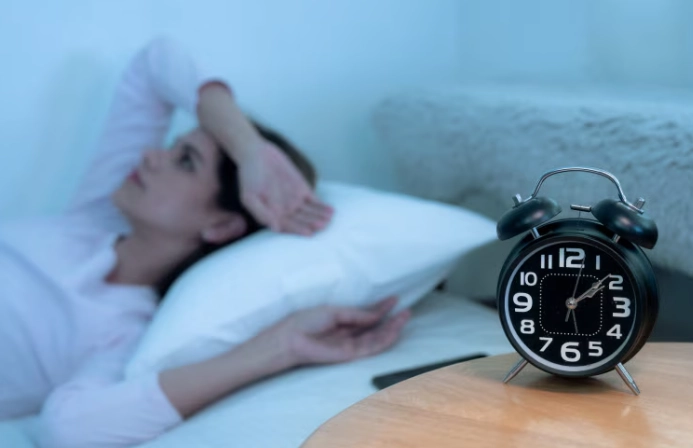
Anxiety triggers your body's fight-or-flight response. Your heart rate increases, cortisol (the stress hormone) spikes, and your brain goes into high alert—the exact opposite state needed for sleep. This makes falling asleep difficult. Then, a night of poor sleep lowers your threshold for stress the next day. You feel more irritable, less resilient, and small worries seem massive. This heightened daytime anxiety then sets the stage for another rough night. Rinse and repeat.
Many people I've worked with make one subtle but critical error: they start treating their bed as a command center for problem-solving. The moment their head hits the pillow, it's time to replay the day and plan for tomorrow. The bed becomes psychologically linked with mental chaos, not rest.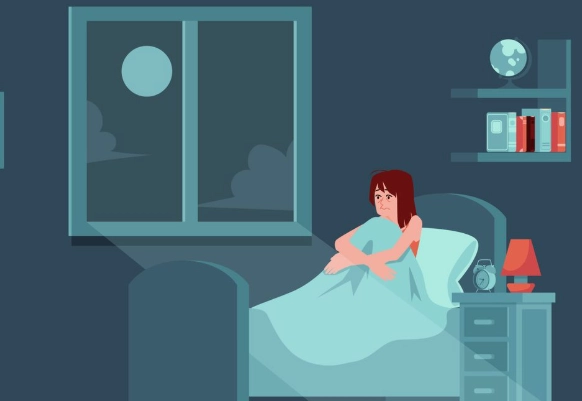
Your Pre-Bed Toolkit: Calming the Mind Before Sleep
This is about creating a buffer zone between your hectic day and your sleep. You can't go from 60 to 0 mph in two minutes.
1. The 90-Minute Wind-Down (Not Just 30 Minutes)
Most advice says "wind down for 30 minutes." For an anxious mind, that's often not enough. I recommend starting 90 minutes before your target sleep time. This isn't just about being in bed; it's a phased shutdown.
- Phase 1 (90-60 mins before bed): Wrap up work, household chores, and intense conversations. Do a literal "brain dump." Write down every worry, to-do, or random thought in a notebook. The physical act of writing signals to your brain, "It's noted. You can let go now."
- Phase 2 (60-30 mins before bed): Move to low-stimulus activities. Dim the lights. This tells your brain to start producing melatonin. Read a physical book (fiction is great), listen to calm music, or do some gentle stretching.
- Phase 3 (30-0 mins before bed): In bed, for sleep only. No phones, no TV. Practice a brief mindfulness or breathing exercise.
2. Mastering the "Worry Window"
Schedule anxiety. It sounds odd, but it works. Set a 15-20 minute appointment with your worries in the early evening, say 7 PM. During this time, sit with your notebook and actively worry. Think through problems, make lists, brainstorm. When the time is up, close the book. If a worry pops up at bedtime, tell yourself, "That's important. I already gave it attention during my worry window, and I'll revisit it tomorrow." This contains anxiety instead of letting it run free all night.
3. The Digital Sunset
Blue light is part of the problem, but the real sleep killer is content. Scrolling through news or social media before bed injects new information, drama, and comparison into a mind trying to quiet down. Implement a strict digital curfew 60 minutes before bed. Put your phone on "Do Not Disturb" and charge it outside the bedroom.
Rewiring Your Brain: The CBT-I Approach to Sleep Anxiety
For persistent sleep anxiety, structured programs like Cognitive Behavioral Therapy for Insomnia (CBT-I) are the gold standard, recommended by organizations like the American Academy of Sleep Medicine. It's more effective long-term than sleep medication. Two core components directly target anxiety:
Stimulus Control: Re-Associating the Bed with Sleep
This is the behavioral reset button. The rules are simple but powerful:
1. Go to bed only when you feel sleepy (not just tired).
2. Use the bed only for sleep and intimacy (no reading, working, or worrying in bed).
3. If you're not asleep within 20 minutes, get up. Go to another room and do something quiet and dull in dim light until you feel sleepy again, then return to bed.
4. Repeat step 3 as often as needed.
5. Wake up at the same time every day, regardless of how you slept.
This breaks the link between bed = anxiety/awake and rebuilds bed = sleep.
Sleep Restriction: Building Sleep Drive
This sounds counterintuitive but works wonders for anxiety about "not getting enough hours." You temporarily limit your time in bed to match your actual sleep time. If you're only sleeping 6 hours but spending 9 hours in bed, that's 3 hours of anxiety-fueled wakefulness. By restricting time in bed, you build a stronger sleep drive, making it easier to fall asleep and reducing nighttime awakenings. Important: This should be done under the guidance of a therapist or with careful research, as it requires precise calculation.
Managing Anxiety During the Day to Win the Night
Nighttime anxiety is often the overflow of a cup that's been filling all day. You have to address the source.
Morning Sunlight: Get 10-15 minutes of natural light within an hour of waking. This regulates your circadian rhythm and boosts mood-regulating serotonin, which later converts to melatonin.
Move Your Body, Not Just at Night: Regular aerobic exercise (like brisk walking, swimming) is a potent anxiety reducer. However, finish intense workouts at least 3 hours before bedtime. A calming evening walk is fine.
The 3-Point Check-In: Three times during your day (mid-morning, after lunch, late afternoon), pause for 60 seconds. Take three deep breaths. Ask: What's one thing I'm feeling in my body? What's one dominant thought? This builds mindfulness, preventing anxiety from building up unnoticed until it explodes at night.
What to Do When You Wake Up Anxious at 3 AM
This is the ultimate test. The key is to avoid clock-watching and mental problem-solving.
The 15-Minute Rule: If you're awake and feeling anxious, give yourself 15 minutes to see if you drift off. If not, get out of bed. Remember stimulus control. Don't lie there for hours.
Create a "Midnight Kit": Keep a small box by your bed with items for this scenario: a dull book (like a manual or textbook), a notepad for worries (no phones!), a glass of water, perhaps a lavender-scented cloth. The act of getting the kit can shift your mindset.
Body Scan Over Counting: Instead of counting sheep, try a body scan. Mentally move your attention from your toes to your head, noticing any sensations without judgment. If your mind wanders to a worry, just note it and return to the body part. This grounds you in the present, away from anxious future thoughts.
Reader Comments