Quick Navigation
- Why Do We Snore in the First Place? (You Have to Know the Enemy)
- The Million-Dollar Question: Is Snoring 100% Curable for Everyone?
- The Treatment Landscape: From DIY Fixes to Medical Interventions
- The Non-Negotiable First Step: Getting a Proper Diagnosis
- Pulling It All Together: A Realistic Path Forward
- The Usual Suspects: Common Causes of Snoring
- When Surgery Enters the Chat: The Quest for a Permanent Fix
You know that sound. The one that starts as a low rumble and escalates into something that could rival a chainsaw. Maybe it's your partner, maybe it's you (though you'd never admit it), and the question that inevitably follows a sleepless night is a desperate one: is snoring 100% curable? Can I just make this stop, forever? I remember searching for this exact phrase after one too many nights on the couch. The answer, I found, isn't a simple yes or no. It's messy, personal, and frankly, a bit frustrating.
Here's the raw truth upfront: asking if snoring is 100% curable is like asking if "being tired" is 100% curable. Snoring isn't one single disease; it's a symptom. It's the noisy byproduct of something vibrating in your airway while you sleep. So, the real question becomes: can you cure the specific, underlying thing causing that vibration? For some people, the answer is a resounding yes. For others, it's about management, not a magic bullet. Let's peel back the layers on this.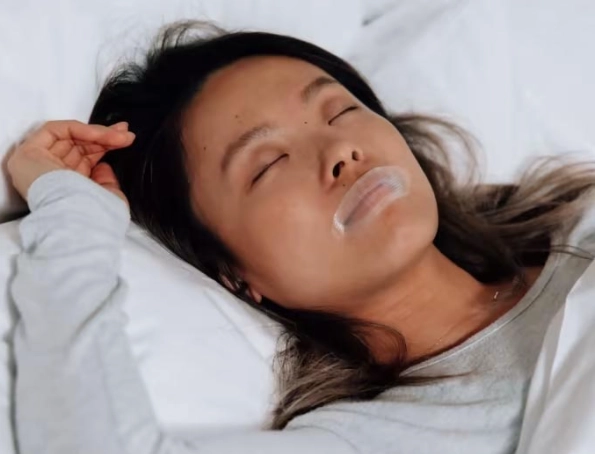
Why Do We Snore in the First Place? (You Have to Know the Enemy)
Before we can talk about a cure, we need to know what we're dealing with. When you fall asleep, the muscles in your throat, tongue, and soft palate relax. If they relax too much, they can partially block your airway. As you breathe, the air rushing through this narrower space causes those soft tissues to vibrate – and there's your snore. Simple, right? Well, the reasons why your airway narrows are where it gets complicated.
Think of your throat like a hose. A wide-open hose is silent. But if you kink it, or if there's something inside making the space smaller, the water (or air) makes noise forcing its way through. Your body has a bunch of potential "kinks."
The Usual Suspects: Common Causes of Snoring
- Anatomy: This is a big one. A naturally long soft palate or uvula, large tonsils, a deviated nasal septum, or even the shape of your jaw can create a narrower airway from the get-go. You can't really "cure" your basic anatomy without intervention.
- Weight: Carrying extra weight, especially around the neck, puts external pressure on the airway, narrowing it. This is often one of the most addressable causes.
- Nasal Congestion: A stuffy nose from a cold, allergies, or sinus issues forces you to breathe through your mouth. Mouth breathing pulls the relaxed tissues in the throat back further, making them more likely to vibrate.
- Sleep Position: Back sleeping is the prime position for snoring. Gravity pulls your tongue and soft palate straight back into the airway. Side sleeping often helps a ton.
- Alcohol, Sedatives, and Smoking: Alcohol and certain medications are muscle relaxants. They make the throat muscles relax more than they normally would, leading to worse snoring. Smoking irritates and inflames the throat tissues, swelling them and narrowing the passage.
- Age: As we get older, throat muscles naturally lose some tone, making them more prone to collapse.
See what I mean? With a list like that, the idea of a one-size-fits-all "cure" starts to look pretty silly. If your snoring is purely from a bad cold, then yes, it's 100% curable – once the cold is gone. If it's from a structural issue you were born with, the path is different.
 So, is snoring 100% curable? It completely depends on your personal "why."
The Million-Dollar Question: Is Snoring 100% Curable for Everyone?
Alright, let's tackle the headline question directly: Is snoring 100% curable? The most honest answer is: No, not for every single person in every single case. But before you get discouraged, hear me out. For a huge number of people, it is either completely resolvable or can be managed so effectively that it's a non-issue. The goal isn't always a medical "cure"; sometimes the goal is just quiet, restful sleep for everyone in the house.
The concept of a "cure" implies a permanent, final solution. For snoring caused by temporary or lifestyle factors, that's absolutely achievable. Cure the allergy, lose the weight, stop drinking before bed, and the snoring may vanish for good. But for chronic, anatomical causes, the approach is better described as a "highly effective treatment" or "management." A CPAP machine or a well-fitted oral appliance doesn't cure the anatomy, but it controls the symptom perfectly, night after night. For some, surgery can provide a permanent anatomical correction that feels like a cure.
I think where a lot of online info falls short is presenting a single solution as the answer. The reality is a spectrum of effectiveness. Let's break down the main avenues.
The Treatment Landscape: From DIY Fixes to Medical Interventions
Here’s a look at the most common ways people try to tackle snoring, ranked roughly by their level of intervention. This isn't a judgment of what's best, but a map of your options.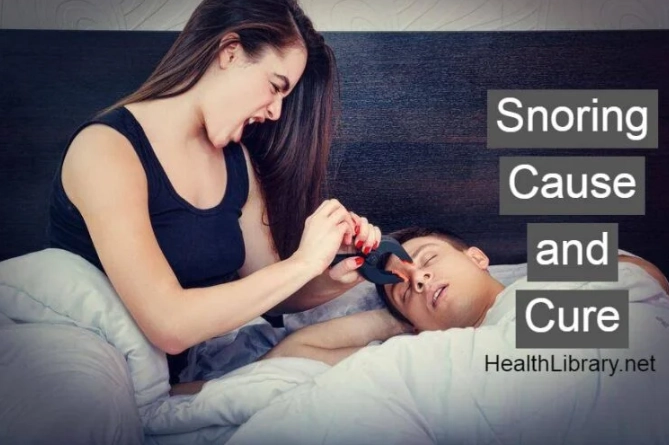
| Treatment Approach | How It Works | Best For Snoring Caused By... | "Cure" Potential |
|---|---|---|---|
| Lifestyle & Positional Changes | Removing the trigger: weight loss, avoiding alcohol, side-sleeping, allergy management. | Weight, congestion, positional snoring, mild relaxant effects. | High. Can be a complete and permanent cure if the cause is solely behavioral/reversible. |
| Over-the-Counter Aids (Nasal strips, dilators, sprays) | Mechanically opening nasal passages or lubricating throat tissues. | Mild nasal congestion or dryness. Simple palatal flutter. | Low to Moderate. Manages symptoms nightly but doesn't address root causes. No permanent cure. |
| Prescription Oral Appliances (Mandibular Advancement Devices) | A custom-fit mouthguard that gently pulls the lower jaw and tongue forward, opening the airway. | Mild to moderate OSA and related snoring. Tongue-based snoring. | Very High Management. Effectively "cures" snoring as long as it's worn each night. A long-term solution. |
| CPAP Therapy (Continuous Positive Airway Pressure) | A machine that delivers a gentle stream of air through a mask, acting as a pneumatic splint to hold the airway open. | Moderate to severe Obstructive Sleep Apnea. Complex airway collapse. | Near 100% Management. The gold standard for eliminating snoring and apnea events when used consistently. Treats but doesn't cure the anatomy. |
| Surgical Options (UPPP, Pillar Procedure, Septoplasty, etc.) | Physically removing, tightening, or restructuring tissues in the airway to create more space. | Specific anatomical blockages (deviated septum, large tonsils, long soft palate). | Variable. Can be a permanent anatomical cure for the right candidate with the right procedure. Success depends heavily on precise diagnosis. |
Looking at that table, you start to see why the question "is snoring 100% curable?" needs a personalized answer. A person with a severe deviated septum might find a permanent cure in surgery. Someone whose snoring is purely weight-related might find a permanent cure in lifestyle change. Someone with age-related muscle tone loss might need a lifelong management tool like an oral appliance.
When Surgery Enters the Chat: The Quest for a Permanent Fix
Surgery is often what people fantasize about when they dream of a cure. One-and-done, problem gone forever. The reality is more nuanced. Surgeries like Uvulopalatopharyngoplasty (UPPP) or the less invasive Pillar Procedure aim to stiffen or remove the floppy tissue of the soft palate. They can be highly effective for the right person – someone whose snoring originates specifically from that spot.
But here's the kicker: if your snoring is also coming from your tongue base or nasal cavity, a palate-only surgery won't completely solve it. That's why a thorough sleep study and examination by an ENT specialist is non-negotiable. The American Academy of Otolaryngology-Head and Neck Surgery provides detailed, trustworthy info on these surgical options. Success rates vary, recovery can be unpleasant, and in some cases, snoring can return years later. It's a powerful tool, but not a guaranteed universal cure.
So, we're back to the same principle. The effectiveness of a "cure" is tied directly to the accuracy of the diagnosis.
The Non-Negotiable First Step: Getting a Proper Diagnosis
This is the part everyone wants to skip. We just want the solution, not the investigation. But you wouldn't let a mechanic just start replacing random parts on your car because it's making a noise, right? You'd want him to diagnose the specific issue first. Your body deserves the same courtesy.
If your snoring is loud, disruptive, and persistent (especially if there are gasps, pauses, or daytime fatigue), talking to a doctor is crucial. This often leads to a sleep study (polysomnography). It might sound like overkill for "just snoring," but it's the only way to rule out sleep apnea and pinpoint the source and severity of the problem. Is the obstruction in your nose, your palate, or your tongue base? The treatment plan changes completely based on that answer.
Without a diagnosis, you're just throwing time and money at guesses. Those fancy pillows, special throat sprays, and nasal dilators? They might work if your issue is minor and positional. But if you have significant anatomical narrowing or sleep apnea, they're like using a band-aid on a broken leg. A waste of effort that delays real relief.
 Diagnosis first. Always.
Your Questions, Answered (The Stuff You're Actually Searching For)
Let's get into some specific, practical questions that swirl around the main topic. These are the things I wondered about when I was deep in my research rabbit hole.
Can weight loss really cure snoring 100%?
For many people, yes, it can come incredibly close to a total cure. If excess neck fat is the primary cause of airway narrowing, losing that weight removes the physical pressure. The snoring often diminishes or disappears entirely. It's one of the most effective and health-positive "cures" available. But it's not a guarantee if there are coexisting anatomical factors.
Are there any permanent natural cures for snoring?
The word "natural" is tricky. There are permanent lifestyle changes that can cure snoring if it's caused by those lifestyle factors. Permanently maintaining a healthy weight, permanently avoiding alcohol before bed, permanently managing allergies with medication (which, while not "natural," is a standard treatment) – these can lead to a permanent resolution. But there's no magical herb or tea that will permanently restructure your airway.
I had surgery and my snoring came back. Why?
This is more common than you'd think, and it's heartbreaking for those who go through it. Tissues can heal and scar in ways that re-create vibration. You might also age, gain a little weight, or develop new allergies that affect a different part of your airway. The original surgery might have addressed one site (like the palate), but over time, another site (like the tongue base) might become the new dominant source of snoring. It underscores that snoring is a dynamic issue, not always a static one.
If CPAP works, why isn't it considered a cure?
This is a great question that gets to the heart of definitions. A CPAP machine is a treatment device, like glasses for your airway. It corrects the problem perfectly while you use it. But if you stop using it, the problem (the collapsible airway) is still there. A "cure" would imply the underlying airway issue is permanently resolved so you don't need the device anymore. CPAP is a 100% effective management tool, which for most users is just as good as a cure.
Is snoring 100% curable in children?
In kids, snoring is very often caused by enlarged tonsils and adenoids. In these cases, yes, the cure rate from surgical removal (adenotonsillectomy) is extremely high – often a true, permanent cure. That's why it's so important to have a child's snoring evaluated by a pediatrician or ENT. The Mayo Clinic notes that addressing childhood snoring is critical for proper development and sleep quality.
Pulling It All Together: A Realistic Path Forward
So, after all this, where does it leave you if you or your loved one snores? Chasing the idea of a 100% universal cure is a recipe for frustration. Instead, shift your mindset to finding a 100% effective solution for you.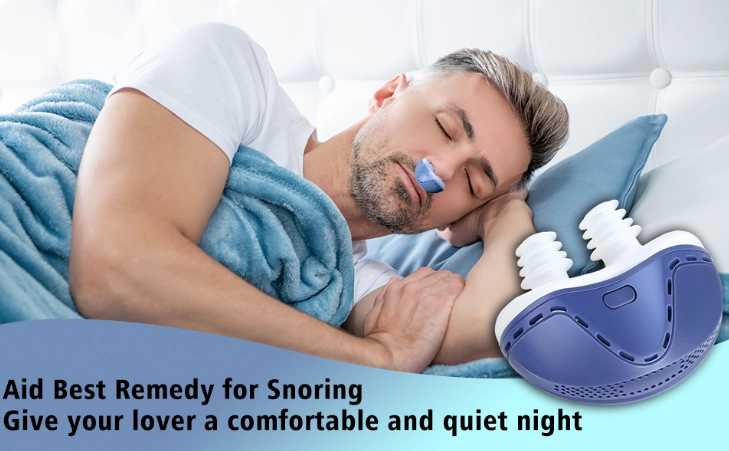
Start with observation and simple steps. Record the snoring (with your phone's voice memo app). Note any patterns with alcohol, allergies, or sleeping on the back. Try proven positional tricks like tennis balls sewn into the back of a pajama top (low-tech but weirdly effective). Address clear lifestyle factors.
If that doesn't cut it, involve a professional. See your primary care doctor. Get a referral to a sleep specialist or an ENT. Consider a sleep study. This isn't admitting defeat; it's being strategic. An accurate diagnosis will tell you if you're dealing with a simple kink in the hose or a more complex plumbing issue. One path might lead to a permanent cure, the other to a lifelong but perfectly effective management tool.
The bottom line isn't a catchy headline. Is snoring 100% curable? Not always in the textbook definition. But is it 100% treatable, manageable, and silence-able? For the vast, vast majority of people, absolutely yes. The journey isn't about finding a mythical cure-all; it's about matching the right solution to the root cause of your unique snore. And that journey starts by listening – both to the sound in the night and to the advice of the professionals who can help you quiet it for good.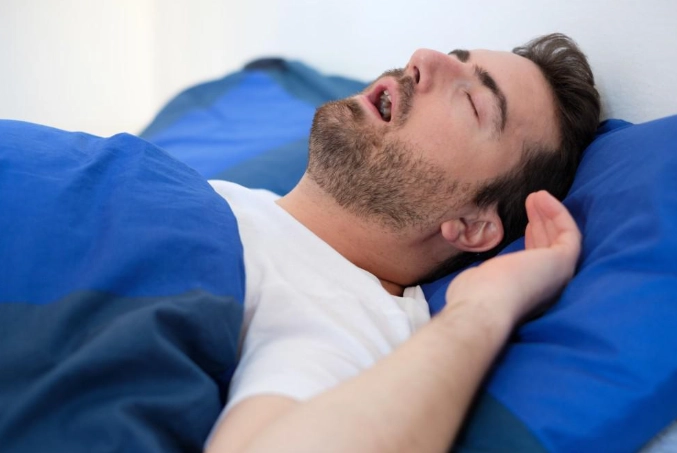
Don't let the perfect be the enemy of the good, or in this case, the silent. A great night's sleep is waiting, even if the path to get there looks different than you first imagined.
Reader Comments