Quick Guide to the Content
Let's be honest, we've all been there. Pushing through one more episode, answering "just one more email," or lying awake with a mind that won't shut off. You tell yourself you'll catch up on sleep later. But what if later never comes, or what if the damage is already stacking up in ways you can't immediately feel?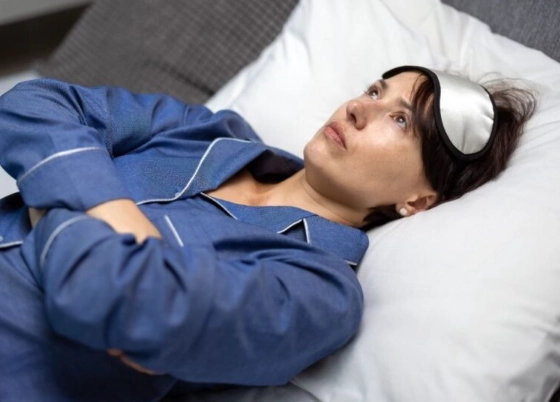
Sleep deprivation isn't just about feeling tired. It's a cascading physiological process that messes with everything from your hormones to your ability to think straight. I remember a brutal period in my own life, working on a project with impossible deadlines. After about three nights of patching together four-hour sleep sessions, I walked into the kitchen and put the cereal box in the fridge. The milk stayed on the counter. That was my first real, tangible clue that something was seriously off.
That experience got me digging into the science, and what I found was both fascinating and a little scary. It turns out sleep loss follows a somewhat predictable path. Researchers and sleep doctors often talk about different stages of sleep deprivation, each with its own signature symptoms and risks. Understanding these stages is like having a roadmap for your own body's decline—and, more importantly, a guide for how to turn back.
So, what are these stages, and when does "tired" become "dangerous"?
First, What Counts as Sleep Deprivation Anyway?
Before we jump into the stages, we need to be on the same page about what we're measuring. Most adults need 7-9 hours of quality sleep per night. The Centers for Disease Control and Prevention (CDC) is pretty clear on this. So, if you're consistently logging less than 7 hours, you're building what's called "sleep debt."
But here's a nuance a lot of people miss. It's not just about total hours. Fragmented sleep—waking up multiple times a night—can be just as damaging as short sleep. Your brain needs uninterrupted cycles to do its essential housekeeping. So, if you're in bed for 8 hours but your sleep tracker shows you're restless all night, you might still be flirting with deprivation.
Key Point: Think of sleep like nutrition. One night of bad sleep is like eating fast food once—not great, but you'll recover. Chronic sleep deprivation is like living on junk food. The deficits compound, and systems start to break down.
The 5 Progressive Stages of Sleep Deprivation
While everyone's tolerance varies, the progression of symptoms often follows a common pattern. I've broken it down into five main phases, from the initial hiccup to the severe, chronic state. This isn't just academic; recognizing which stage you're in can be a powerful motivator for change.
Stage 1: The 24-Hour Mark (The Fog Rolls In)
Missing a full night of sleep isn't fun, but it's also incredibly common. Maybe you pulled an all-nighter in college or have a newborn. At this first major milestone in the stages of sleep deprivation, your body is running on emergency reserves.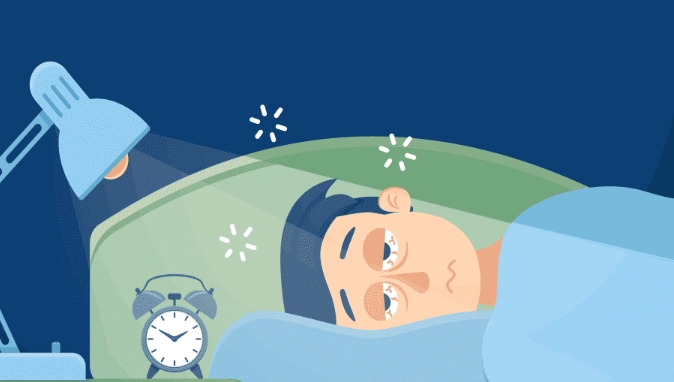
You'll likely experience:
- Brain Fog: This is the big one. Your cognitive processing speed slows down. Making decisions feels harder. You might be more forgetful (where are my keys, again?).
- Emotional Vulnerability: You're quicker to irritability or sadness. The amygdala, your brain's emotional center, becomes hyper-reactive when sleep-deprived, while the prefrontal cortex (which regulates emotions) weakens its grip. It's a recipe for overreaction.
- Physical Clues: Your eyes might feel gritty or dry. You could have a mild headache. Hunger and cravings for high-carb, sugary foods often spike because hormones like ghrelin (the "hunger hormone") are already out of whack.
Here's the thing about Stage 1: it feels manageable. You drink more coffee, power through, and tell yourself you'll crash early tomorrow. The danger is normalizing this feeling and letting it become your baseline.
Stage 2: The 36-48 Hour Range (The System Glitches)
Push past a day and a half without sleep, and things get weirder. This is where microsleeps become a real risk. Your brain, desperate for rest, will start to shut down for seconds at a time. You might be staring at your computer screen, and suddenly your head nods, or you realize you've "zoned out" and lost a few seconds. It's terrifying if you're driving.
Symptoms intensify:
- Severe Cognitive Impairment: Concentration is nearly impossible. Your working memory—the mental notepad you use to hold information—is essentially full. Reading a complex sentence might require re-reading it three times.
- Physical Deterioration: Hand-eye coordination suffers. You might feel physically weaker. Your immune system's first-line defenders start to lose their edge. A study from the National Sleep Foundation highlights how even short-term sleep loss can reduce the production of infection-fighting cells.
- Perceptual Oddities: You might feel detached from your surroundings (derealization) or notice slight visual distortions. Time perception is also warped.
At this point in the stages of sleep deprivation, your body is screaming for recovery. Continuing to fight it is an active choice with real consequences.
Stage 3: 72 Hours and Beyond (The Crash)
Three days without sleep is severe territory, often only seen in extreme circumstances or certain medical conditions. The mind and body are in full revolt.
- Major Cognitive Breakdown: Complex thought, planning, and problem-solving are profoundly impaired. Speech may become slurred or disjointed.
- Mood Swings and Paranoia: Emotional regulation is gone. You may experience intense anxiety, depression, or even paranoid thoughts. The world can feel hostile and confusing.
- Hallucinations and Illusions: This is where the famous "seeing things" can happen. It might start with misinterpreting shadows (pareidolia) and progress to full-blown visual or auditory hallucinations. Your brain is so desperate for input, it starts generating its own.
Let's be clear: reaching this stage is a medical emergency. It is not sustainable or safe.
Stage 4: Chronic Partial Sleep Deprivation (The Slow Burn)
Now, here's the stage that traps millions of people. You're not pulling all-nighters, but you're consistently getting, say, 5-6 hours of sleep when you need 8. This is chronic partial sleep deprivation, and it's arguably more insidious than total sleep loss because you adapt to the misery.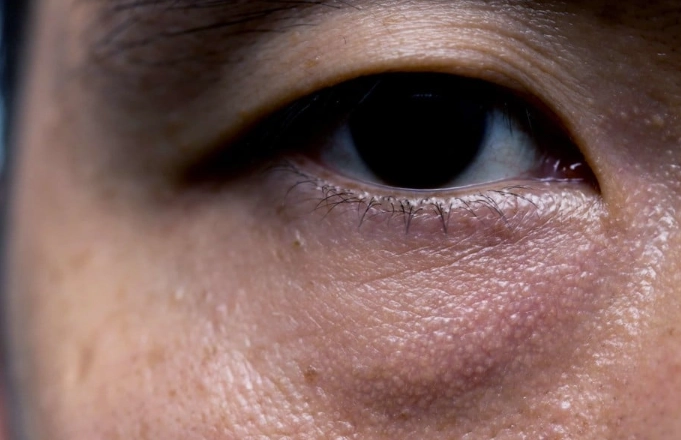
You build a "tolerance" to feeling exhausted. You think, "This is just how I am now." But under the surface, the damage is accumulating slowly, like rust on a car frame. The effects of these prolonged stages of sleep deprivation are vast:
| Body System | Long-Term Effects of Chronic Sleep Loss |
|---|---|
| Metabolic & Weight | Increased risk of obesity, Type 2 diabetes. Hormones leptin (fullness) and ghrelin (hunger) are disrupted, leading to overeating. |
| Cardiovascular | Elevated blood pressure, increased inflammation, higher risk of heart disease and stroke. |
| Immune System | Chronic inflammation, reduced vaccine effectiveness, increased susceptibility to infections and illness. |
| Cognitive & Mental | Accelerated brain aging, increased risk of dementia (including Alzheimer's), higher likelihood of anxiety and depression. |
| Hormonal | Disrupted cortisol (stress) rhythm, lowered growth hormone (affects repair), reduced testosterone. |
The scary part? You might not connect your high blood pressure or stubborn weight gain to those years of poor sleep. The cause and effect are separated by time.
Stage 5: Long-Term Health Consequences (The Price Tag)
This isn't so much a separate stage as it is the inevitable outcome of lingering in Stage 4 for years. Research has solidified the link between chronic short sleep and serious disease. The American Heart Association now lists sleep duration as one of its essential metrics for cardiovascular health (Life's Essential 8).
Think of your body's need for sleep like a non-negotiable maintenance schedule for a complex machine. Skip the maintenance long enough, and catastrophic failure becomes a matter of when, not if.
Practical Tip: If you've been in the "chronic partial" zone for months or years, don't expect one good weekend of sleep to fix it. Recovery is a process, just like the descent was.
How Do You Actually Recover? A Step-by-Step Guide
Okay, so the stages of sleep deprivation sound pretty grim. The good news? The brain and body are remarkably resilient. You can pay down your sleep debt and repair a lot of the damage. But you have to be strategic. You can't just sleep 12 hours on Saturday and call it even.
Here's what works, based on sleep science and plain old trial and error:
- Stop Digging the Hole: This is step zero. You have to prioritize sleep. That means setting a non-negotiable bedtime and protecting it. Cancel late plans, put your phone away, say no to that "one more thing."
- Pay Back Debt Gradually: Add an extra 60-90 minutes of sleep per night. If you've been getting 6 hours, aim for 7-7.5. Trying to jump straight to 9 might lead to frustrating wakefulness. Consistency is more important than a single marathon session.
- Fix Your Sleep Hygiene: You've heard this before, but are you doing it? Make your bedroom cool, dark, and dead quiet. Use your bed only for sleep and intimacy (no work, no doomscrolling). Get bright light first thing in the morning to reset your circadian clock.
- Be Careful with Naps: Short naps (20-30 minutes) before 3 PM can help with alertness without hurting nighttime sleep. Long, late naps will steal from your sleep drive.
- Look at Your Diet & Exercise: Heavy meals and alcohol too close to bedtime wreck sleep quality. Regular exercise, even a brisk walk, improves sleep, but don't do intense workouts right before bed.
How long does recovery take? For a short-term debt (a week of bad sleep), you might feel better in a few days to a week. For chronic deprivation, it can take weeks or even months of consistent good sleep to fully reset your systems and feel the deep benefits. Patience is key.
Common Questions About Sleep Deprivation Stages
Yes, but with a big asterisk. You can pay back acute sleep debt. If you missed 10 hours over a week, sleeping an extra hour a night for the next week and a half will help. However, you cannot fully reverse the metabolic or cognitive toll of years of poor sleep overnight. The goal is to stop the damage and start healing. Some studies suggest the brain uses deep sleep to clear out metabolic waste products like beta-amyloid (linked to Alzheimer's). Catching up gives it a chance to do that critical cleanup. Resources from places like the Harvard Medical School explain this "brainwashing" function well.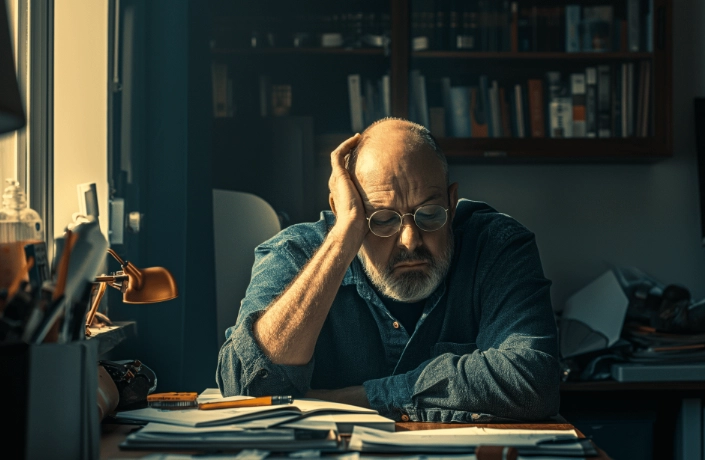
It's a tough call. Total sleep loss (like an all-nighter) has immediate, dramatic effects that force you to stop. Chronic short sleep is like a slow poison; the effects are less obvious day-to-day, but the long-term health consequences (heart disease, diabetes, cognitive decline) are severe. From a public health perspective, chronic short sleep is probably the bigger problem because so many people live there without realizing the cost.
No. Caffeine is a stimulant that blocks adenosine receptors in your brain. Adenosine is the chemical that builds up the longer you're awake, making you feel sleepy. Coffee masks the feeling of sleepiness; it does not replace the biological functions of sleep. Your brain still isn't going through its memory-consolidating, hormone-regulating, toxin-clearing sleep cycles. You're just tricking your perception. Relying on caffeine is like putting a piece of tape over a "check engine" light.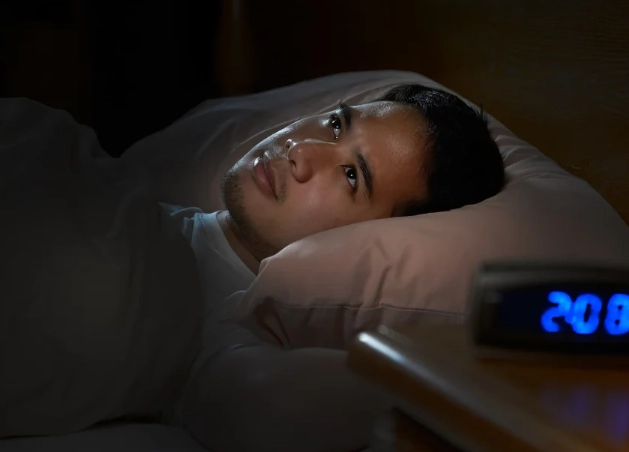
Listen to your body and track your habits. If you need an alarm to wake up every day, hit snooze repeatedly, crave caffeine to function, feel irritable by afternoon, and have brain fog, you're likely in the chronic partial sleep deprivation stage (Stage 4). If you're experiencing microsleeps or severe memory issues, you're in deeper territory. A simple two-week experiment: try to get 7-8 hours of uninterrupted sleep every single night. If you feel dramatically better, you had a debt. If you still struggle, it might be time to talk to a doctor about potential sleep disorders like apnea.
Final Thoughts: It's Not a Contest
We live in a culture that sometimes prizes being busy and tired. Knowing the stages of sleep deprivation isn't about diagnosing how tough you are. It's about understanding the very real trade-off you're making.
Is that extra hour of late-night TV or scrolling worth a higher risk of heart trouble or a foggier brain tomorrow? Is burning the midnight oil really making you more productive, or just making you slower and more error-prone the next day, creating a vicious cycle?
Sleep isn't downtime. It's a critical, active state where your body repairs, your brain files memories, and your hormones rebalance. Skimping on it is the single worst thing most of us do for our health on a daily basis.
The path back starts with one good night. Then another.
Your future self will thank you for it. Trust me, the cereal tastes better when it's not stored in the fridge.
Reader Comments