You've probably seen the image or heard the story: a Navy SEAL, the epitome of toughness and endurance, catching a nap in a bizarre position—flat on his back with his legs propped straight up against a wall. It looks uncomfortable, almost silly. But here's the thing: there's zero room for silly in the world of special operations. Every single action, especially something as vital as sleep, is deliberate, optimized, and backed by brutal pragmatism.
That legs-up nap isn't a quirky habit. It's a calculated, physiological hack for rapid system recovery. It's a tool deployed in the gap between relentless training, during long surveillance ops, or in the precious moments before a high-stakes mission. While you and I might reach for a third cup of coffee, they assume a position that leverages gravity to reboot their bodies and minds faster.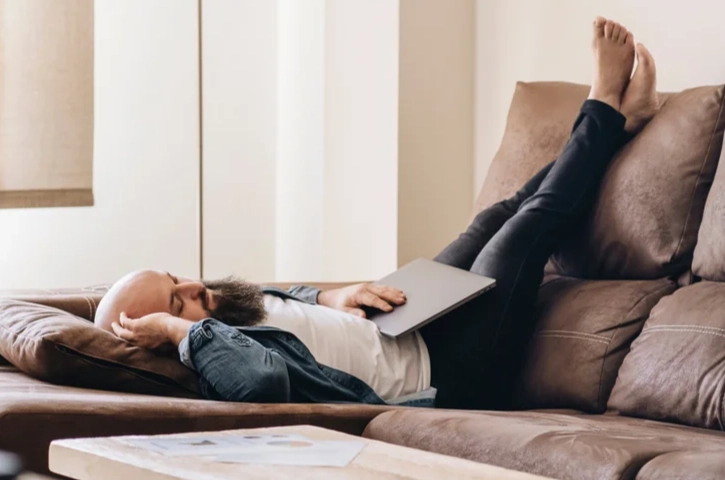
And the best part? This isn't some classified technique reserved for the elite. The science behind it is accessible to anyone. Understanding why Navy SEALs sleep with legs elevated unlocks a powerful method to combat fatigue, reduce aches, and sharpen your own mental edge.
What You'll Learn in This Guide
The Mission: More Than Just Sleep
For a SEAL, sleep isn't a luxury; it's a logistical resource, like ammunition or fuel. They operate in a constant state of sleep debt. A study by the U.S. Army on sustained operations found that cognitive performance can degrade to levels comparable to being legally drunk after prolonged sleep restriction.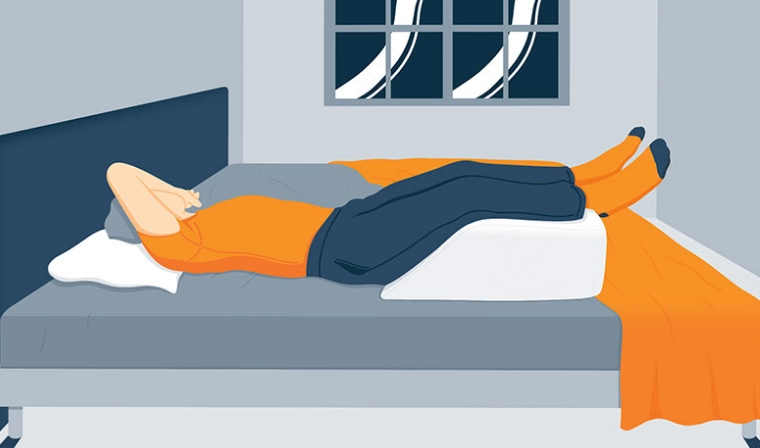
So when a 20-30 minute window appears, the goal isn't just to close their eyes. The goal is maximum physiological reset. They need to:
- Dump fatigue toxins: Clear metabolic waste from muscles worked to exhaustion.
- Reduce inflammation: Soothe joints and tissues pounded by loads, jumps, and ocean swims.
- Reset the nervous system: Shift from a dominant sympathetic (fight-or-flight) state toward parasympathetic (rest-and-digest) recovery.
- Sharpen alertness: Emerge more focused than when they lay down, not groggy.
The standard horizontal nap helps with some of this, but the legs-up position supercharges the process. It turns a passive break into an active recovery session.
The Science Behind Elevating Your Legs
Let's break down what's actually happening in the body when you assume that position. It's a elegant interplay of gravity and physiology.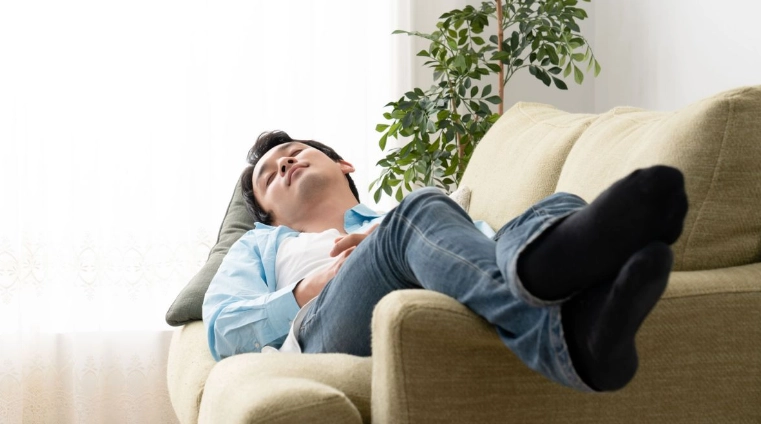
1. The Gravity-Assisted Fluid Reset
Think about what a SEAL's body endures: long patrols with heavy packs, hours in a rigid inflatable boat, constant muscle engagement. Fluids—blood and lymph—pool in the lower extremities. This contributes to swelling, heaviness, and delayed recovery.
Elevating the legs above the heart uses gravity to reverse this flow. Venous blood, which has delivered oxygen and nutrients and is now carrying metabolic waste like lactic acid, drains back to the heart and lungs more efficiently. The lymphatic system, which lacks a pump like the heart and relies on muscle movement and positional changes, gets a similar assist in clearing interstitial fluid and inflammatory markers.
The result? Legs feel lighter. The systemic inflammation from a hard workout begins to subside faster. Your heart doesn't have to work as hard to circulate fluids.
2. Calming the Nervous System (The Vagus Nerve Boost)
This is a subtle but critical effect. The position often involves a slight inversion and a firm surface along the back of the body. This creates gentle pressure and a unique proprioceptive signal that can stimulate the vagus nerve—the main nerve of the parasympathetic nervous system.
Activating the vagus nerve is like hitting the "brake" on your body's stress response. It slows the heart rate, lowers blood pressure, and promotes a state of calm. For someone operating at a high-stress baseline, this nervous system shift is as important as the muscular recovery. It's a forced physiological chill pill.
3. Optimizing the Glymphatic Short Cycle
Recent sleep science, highlighted by researchers like Dr. Matthew Walker, emphasizes the glymphatic system—the brain's waste-clearance system that kicks into high gear during sleep. It washes away neurotoxins like beta-amyloid (associated with cognitive decline) that accumulate during waking hours.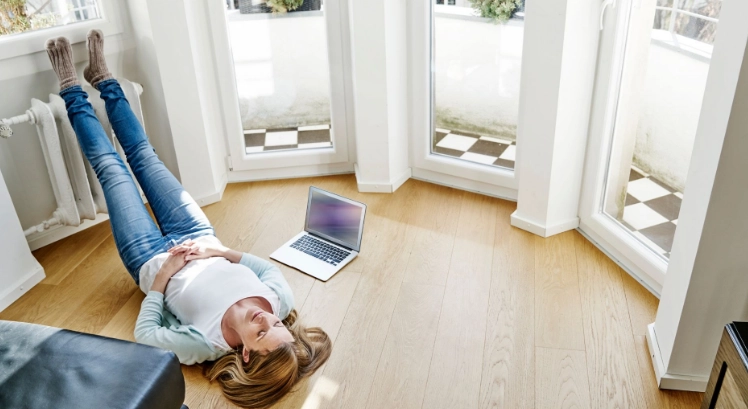
While deep sleep is the prime time for this cleanup, the theory—and it's a compelling one applied in tactical circles—is that the legs-up position, by improving overall circulation and potentially facilitating specific fluid dynamics, may help initiate or enhance this process even during a short nap. You're not just resting your brain; you're giving it a rinse cycle.
| Physiological System | Standard Nap Effect | Legs-Up Nap Enhancement |
|---|---|---|
| Circulatory (Blood) | Resting heart rate, baseline circulation. | Gravity-assisted venous return, reduced cardiac strain, faster waste removal. |
| Lymphatic (Immune/Inflammation) | Passive drainage. | Active drainage of pooled fluid, accelerated reduction of swelling and inflammation. |
| Nervous System | General relaxation. | Potential vagus nerve stimulation, deliberate shift to parasympathetic dominance. |
| Muscular Recovery | Passive repair. | Enhanced removal of metabolic byproducts (e.g., lactate), reduced sensation of heaviness. |
Your Tactical Nap Guide: How to Do It Right
Okay, so you want to try this. Here's the step-by-step, no-fluff guide to executing a proper legs-up recovery nap. I've experimented with this for years, after learning about it from a friend who served. The difference between doing it half-way and doing it right is night and day.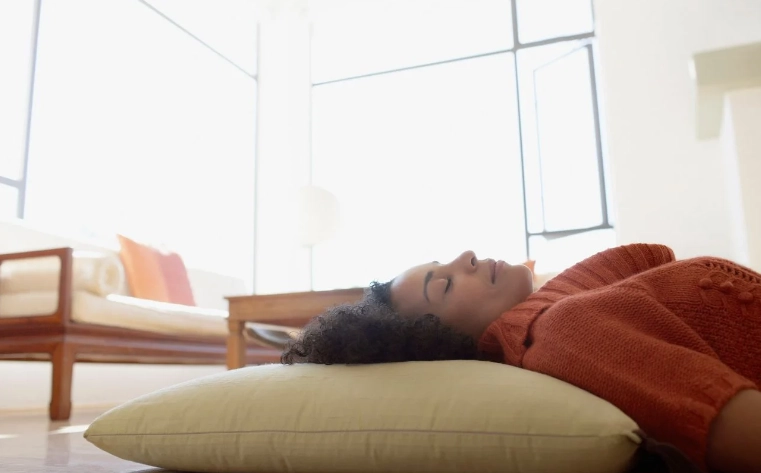
Step 1: Find Your Wall. Any empty wall space will do. A door can work in a pinch. Clear the floor area of debris.
Step 2: Get Into Position. Sit with one side of your body touching the wall. In a smooth motion, swing your legs up the wall as you lower your back and head to the floor. Your body should form a rough "L" shape. Your butt doesn't need to be flush against the wall—a gap of a few inches is fine and often more comfortable for the lower back.
Step 3: Optimize Comfort. This is crucial. A stiff neck will ruin the experience.
- Under your head: A thin pillow or folded towel for support.
- Under your lower back: A small cushion or rolled towel if you feel any arching or strain.
- Arms: Rest them comfortably at your sides, palms up, or on your abdomen.
Step 4: Set a Timer. This is non-negotiable. The sweet spot is 10 to 20 minutes. You want to avoid dropping into a deep sleep cycle, which can lead to sleep inertia—that groggy, disoriented feeling when you wake. Set a gentle alarm.
Step 5: The Exit. When the timer goes, don't jump up. Slowly bend your knees, roll onto your side, and use your arms to push yourself up to a seated position. Sit for 30 seconds before standing. This prevents a head rush and lets your circulation readjust.
When to Deploy Your Tactical Nap
- After a long run, hike, or leg day at the gym.
- Mid-afternoon energy crash (instead of caffeine).
- After a long flight or car ride to combat leg swelling and jet lag.
- When you feel mentally foggy and need a cognitive reset.
What Most People Get Wrong (The Expert View)
After teaching this to dozens of people, I see the same mistakes over and over. Avoiding these will make your practice infinitely more effective.
Mistake 1: The Half-Measure Elevation. Propping your calves on a couch or three pillows isn't the same. The angle is too shallow. The magic happens when your hips are above your heart, creating a clear downhill path for fluids. The wall method is king because it's simple and guarantees the right angle.
Mistake 2: Going for Too Long. More is not better. Exceeding 20-25 minutes risks deep sleep intrusion and grogginess. The SEALs use this for a rapid reset, not a full sleep cycle. Discipline with the timer is part of the training.
Mistake 3: Fighting Discomfort. If your hamstrings are screaming, you won't relax. It's okay to start with your butt farther from the wall, creating a wider angle. You can also gently bend your knees. The goal is sustainable comfort for the duration, not a painful stretch.
Mistake 4: Expecting Miracles from One Session. This is a tool, not a cure-all. Its power is cumulative and situational. It's exceptionally good at addressing specific states—acute physical fatigue, leg heaviness, mental fog. It won't fix chronic sleep deprivation on its own, but it will make the sleep you do get more potent.
Your Questions, Answered
The image of a Navy SEAL napping with his legs up is more than a meme or a sign of exhaustion. It's a snapshot of extreme optimization. It represents a deep understanding that performance isn't just about pushing harder, but about recovering smarter.
 You don't need a Trident to use this tool. You just need a wall, 15 minutes, and the understanding that sometimes, the best way to move forward is to put your feet up and let gravity do the work.
Try it after your next tough workout or on a draining afternoon. You might be surprised at how such a simple, deliberate change in position can make you feel reloaded and ready.
Reader Comments