You're reading this at 3 AM, aren't you? The blue glow of your screen is the only light as your mind races. You've tried warm milk, meditation apps, counting sheep until you've mentally sheared a whole flock. The question burns: can insomnia actually be cured, or is this just your life now?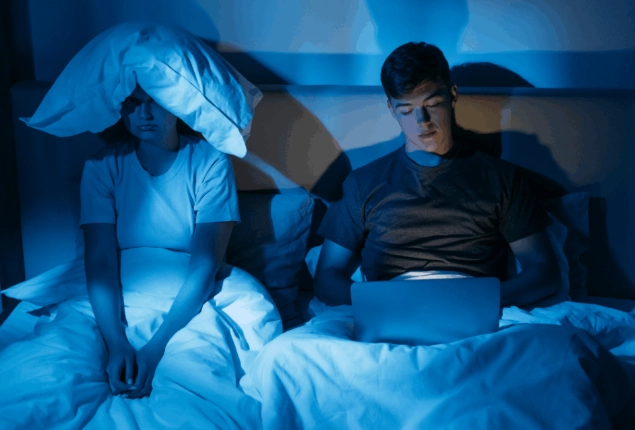
Let's cut through the noise. After a decade of working with people who've forgotten what a solid night feels like, I can give you a straight answer. It's not a simple yes or no. The word "cure" implies a one-time fix, like an antibiotic for an infection. Chronic insomnia is more like a sensitive alarm system that's gotten stuck in the "on" position. The goal isn't just to silence it once, but to learn how to keep it from going off again.
For most people, yes, insomnia can be effectively treated to the point of long-term remission. You can get your sleep back. But the path there involves unlearning a lot of what you think you know about sleep.
What You'll Find in This Guide
- What Are We Really Talking About When We Say "Insomnia"?
- Why the Word "Cure" is Tricky (And What to Aim For Instead)
- The Gold Standard Treatment That Beats Sleeping Pills (CBT-I Explained)
- Where Do Medications Fit In? A Realistic Look
- Practical Steps You Can Start Tonight (Beyond the Basic Advice)
- When It's Time to Get Professional Help
- Your Midnight Questions, Answered
What Are We Really Talking About When We Say "Insomnia"?
First, let's define the enemy. Everyone has a bad night. Insomnia becomes a disorder when it happens at least three nights a week for three months, and it wrecks your daytime function. You're not just tired; you're irritable, foggy, anxious.
There's a crucial distinction most articles miss. Acute insomnia is often tied to a specific event—a job loss, a breakup, a sick child. It usually resolves when the stressor passes. Chronic insomnia, however, takes on a life of its own. The original stressor is long gone, but the poor sleep persists. Why? Because you've developed a set of habits and fears around sleep itself. You start worrying about not sleeping, which guarantees you won't sleep. It's a self-fulfilling prophecy.
That's the key. Chronic insomnia is maintained by behaviors and thoughts. That's actually good news. It means the target for treatment is clear.
Why the Word "Cure" is Tricky (And What to Aim For Instead)
I avoid promising a "cure" to my clients. It sets up unrealistic expectations. If they have a bad night six months after therapy, they think they've failed. They haven't.
A better frame is durable remission and self-efficacy. You learn the skills to manage your sleep system. You become the expert on your own sleep. A rough patch during a life crisis doesn't mean the insomnia is "back"; it means you need to consciously reapply the tools you've learned. The goal is to break the cycle so completely that sleep becomes automatic again, not something you have to fight for.
The Big Misconception: The most common mistake I see? People believe insomnia is just a symptom of anxiety. Often, it's the other way around. Months of shattered sleep will cause clinical anxiety. Fix the sleep, and a huge portion of the anxiety often melts away. Treating only the anxiety with medication while ignoring the sleep is like mopping the floor with the tap still running.
The Gold Standard Treatment That Beats Sleeping Pills (CBT-I Explained)
If you remember one thing from this article, let it be these three letters: CBT-I. Cognitive Behavioral Therapy for Insomnia is the most effective long-term treatment, endorsed by the American Academy of Sleep Medicine and the National Institutes of Health. Studies show it's more effective than sleep medication for chronic insomnia.
So what is it? It's a structured program that dismantles the thoughts and behaviors keeping you awake. It's not talk therapy about your childhood. It's practical, sometimes counterintuitive, and it works.
The Core Components of CBT-I
1. Sleep Restriction: This is the hardest but most powerful part. You temporarily reduce your time in bed to match your actual sleep time. If you're in bed for 8 hours but only sleeping 5.5, your time in bed is limited to 5.5 hours. It builds up a strong sleep drive and eliminates those hours of frustrated tossing and turning. Yes, you'll be more tired at first. That's the point.
2. Stimulus Control: This re-forges the link between your bed and sleep. The rules are simple but strict: Bed is only for sleep (and sex). No reading, no scrolling, no worrying in bed. If you're awake for more than 20 minutes, get up, go to another room, and do something boring until you feel sleepy. You're retraining a conditioned response.
3. Cognitive Restructuring: This tackles the catastrophic thinking. "If I don't sleep tonight, my presentation tomorrow will be a disaster." "I must get 8 hours or I'm ruined." CBT-I helps you challenge and replace these thoughts with more balanced ones, reducing the performance anxiety around sleep.
4. Sleep Hygiene (The Least Important Part): Surprised? Things like a dark, cool room and avoiding caffeine are the basics. They're necessary but not sufficient to fix chronic insomnia. You can have perfect sleep hygiene and still be wide awake because the psychological drivers are untouched.
Where Do Medications Fit In? A Realistic Look
Sleeping pills have their place, but it's a specific one. Think of them as a temporary bridge over a crisis, not the road to recovery.
They can be helpful for short-term, acute insomnia (like after a surgery) or to break a severe cycle of sleeplessness at the start of CBT-I, giving you a little momentum. The problem is long-term use. Tolerance develops, so you need more. Side-effects like next-day grogginess or complex sleep behaviors become risks. And they do nothing to teach you how to sleep on your own.
My rule of thumb: Use medication as a short-term assist while you build the long-term skills of CBT-I. It should be a plan with an exit strategy, not a permanent destination.
Practical Steps You Can Start Tonight (Beyond the Basic Advice)
Before you can see a specialist, here are actionable moves that go deeper than "avoid screens."
- Get Out of Bed. Seriously. The moment you start feeling frustrated or anxious about being awake, leave the bedroom. Go sit in a dimly lit chair and read a physical book (something mildly interesting, not thrilling). The goal is to associate your bed with sleepiness, not wakeful frustration.
- Write a "Worry List" at 9 PM. Take 15 minutes before bed to dump every racing thought onto paper. What you need to do tomorrow, what you're anxious about, everything. Then close the notebook. Your brain can relax, knowing the thoughts are captured.
- Fix Your Wake Time. This is non-negotiable. Wake up at the same time every single day, weekends included. It's the most powerful tool to set your internal clock. A consistent wake time does more for your sleep than a consistent bedtime.
- Get Morning Light. Within 30 minutes of waking, get 15-20 minutes of natural light. No sunglasses. This signals to your circadian rhythm that the day has started, making you sleepier at the right time tonight.
When It's Time to Get Professional Help
If you've tried self-help for a couple of months with no real change, it's time. Look for a psychologist or therapist certified in CBT-I (check resources like the Society of Behavioral Sleep Medicine directory). A sleep medicine doctor can rule out conditions like sleep apnea or restless legs syndrome, which can mimic insomnia.
Good therapy is collaborative. You'll be given tasks, sleep diaries to keep, and you should see progress within 4-6 weeks.
Your Midnight Questions, Answered
The bottom line is this: Insomnia is not a life sentence. The path to recovery exists, and it's paved with evidence-based strategies like CBT-I, not just wishful thinking or temporary chemical crutches. It requires work and facing some counterintuitive truths about sleep. But the reward—owning your nights again, waking up feeling restored—is worth every bit of the effort. Start by fixing your wake time and getting that morning light. That's your first step off the treadmill of sleepless nights.
Reader Comments