Quick Navigation
- What Exactly Are Non Controlled Sleep Medications?
- How Do These Over-the-Counter Sleep Aids Actually Work?
- Choosing the Right Non Prescription Sleep Aid: A Practical Comparison
- The Not-So-Fun Part: Side Effects and Risks
- Answering Your Burning Questions (FAQ)
- The Foundation They Don't Tell You About: Sleep Hygiene
- When to Ditch the Aisle and See a Doctor
- Final Thoughts: A Tool, Not a Cure
Let's talk about sleep. Or rather, the lack of it. You know the feeling—staring at the ceiling at 3 AM, your mind racing about tomorrow's meeting or that thing you said five years ago. It's miserable. And when it happens night after night, you start looking for solutions. Prescription sleep aids can be scary with their potential for dependence and side effects. That's where the idea of non controlled sleep medications comes in. They're sitting right there on the pharmacy shelf, promising relief without a doctor's note. But are they safe? Do they work? And which one is right for you?
I've been there. I spent years as a light sleeper, trying everything from warm milk to counting an infinite number of sheep. The allure of an over-the-counter solution was strong. This guide is what I wish I had back then—a deep, honest, and practical look at these readily available sleep aids. We're not just listing brands; we're digging into how they work, what's really in them, and how to use them without causing more problems than you solve.
What Exactly Are Non Controlled Sleep Medications?
This is the core question. When we say "non controlled," we mean these medications are not classified as controlled substances by the DEA (Drug Enforcement Administration). Controlled substances, like prescription z-drugs (zolpidem) or benzodiazepines, have a higher risk of abuse, dependence, and are tightly regulated. Non controlled sleep medications, on the other hand, are considered safe enough for direct consumer purchase. They fall primarily into two buckets: Dietary supplements (like melatonin) and Over-the-Counter (OTC) drugs (like diphenhydramine).
The big difference? Regulation. OTC drugs are approved by the FDA for specific uses at specific doses. Supplements, governed by the Dietary Supplement Health and Education Act (DSHEA), don't require pre-market FDA approval for safety or efficacy. The manufacturer is responsible for ensuring safety. This isn't to say supplements are unsafe, but it does mean the burden of proof and quality control can vary wildly between brands. You have to be a smarter shopper.
It's a crucial distinction that affects everything from product consistency to the claims on the label.
How Do These Over-the-Counter Sleep Aids Actually Work?
They don't all work the same way. Understanding the mechanism is the first step to picking the right one and having realistic expectations.
The Antihistamine Route: Diphenhydramine & Doxylamine
This is the most common mechanism in OTC sleep pills. Ingredients like diphenhydramine (found in Benadryl and many sleep aids like ZzzQuil) and doxylamine (found in Unisom SleepTabs) are first-generation antihistamines. Their primary job is to block histamine, a chemical in your body involved in allergic reactions. A major side effect of blocking histamine in the brain? Drowsiness.
Think of it this way: They don't so much "induce" sleep as they do sedate you. It's a chemical bludgeon to the brain's wakefulness centers. The sleep you get can feel heavy and less restorative. And here's the kicker—your body develops a tolerance to this sedative effect surprisingly fast, often within a few days. That's why the labels strictly say "for occasional use." If you use them nightly, you'll soon need more to get the same effect, which is a slippery slope.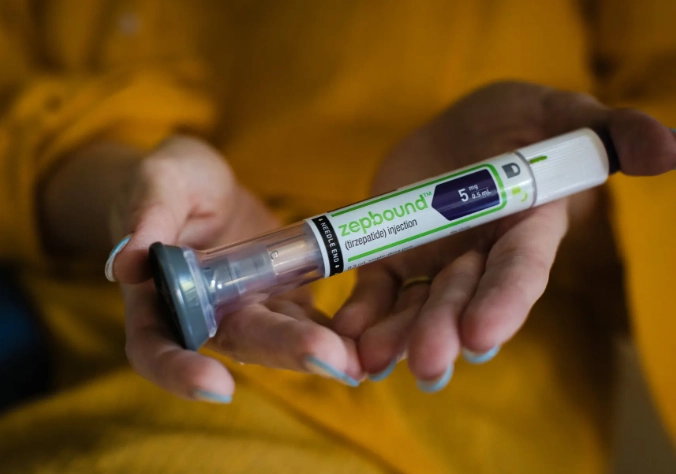
I made this mistake in college during finals week. By night four, the little pill did nothing but give me a dry mouth and next-day grogginess.
The Hormone Mimic: Melatonin
Melatonin is a different beast entirely. It's a hormone your pineal gland naturally produces when it gets dark, signaling to your body that it's time to wind down. Non controlled sleep medications containing melatonin are supplementing this natural signal.
It's not a sedative. It's a chronobiotic—it helps regulate the timing of your sleep-wake cycle. This makes it most effective for specific situations: jet lag, shift work disorder, or for people whose natural melatonin production might be off-kilter (like some older adults). Taking it at the wrong time can actually mess up your cycle more. The dose is also hotly debated; more is not better. Studies often use doses between 0.5 mg and 3 mg, while stores sell 10 mg pills. That massive dose can lead to weird, vivid dreams and morning grogginess for some people.
The National Center for Complementary and Integrative Health (NCCIH) has a great, science-backed resource on melatonin that cuts through the marketing hype.
The Herbal & Alternative Players
This category includes ingredients like valerian root, chamomile, lavender (often as an oil or in teas), and L-theanine. The evidence for their effectiveness is mixed and generally milder than the options above.
- Valerian Root: Smells terrible (like old socks), but some studies suggest it may help with sleep latency (how long it takes to fall asleep). The mechanism isn't fully understood, but it might interact with GABA receptors, similar to some prescription drugs, but much more gently.
- Chamomile: Contains apigenin, an antioxidant that may bind to certain receptors in the brain promoting relaxation. It's subtle. A warm cup of chamomile tea is more of a relaxing bedtime ritual than a powerful sleep drug.
- L-theanine: An amino acid found in green tea. It's promoted for reducing anxiety and promoting "relaxed alertness." For sleep, it might help quiet a racing mind, but it's not a strong sedative.
The problem with herbal blends in supplements is standardization. How much active ingredient is actually in that capsule? It can vary from batch to batch and brand to brand.
Choosing the Right Non Prescription Sleep Aid: A Practical Comparison
So, you're standing in the pharmacy aisle, staring at a wall of options. How do you choose? Let's break it down by what you're actually trying to solve. This table might help clear the fog.
| Type / Common Ingredient | Best For... | How It Works | Key Considerations & Downsides |
|---|---|---|---|
| Antihistamines (Diphenhydramine, Doxylamine) |
Occasional nights of trouble falling asleep. When you need to be "knocked out." | Blocks brain histamine receptors, causing sedation/drowsiness. | Tolerance develops quickly (becomes ineffective). Common side effects: Next-day grogginess ("hangover"), dry mouth, dry eyes, constipation, urinary retention (especially concerning for older men). Can interact with alcohol and other CNS depressants dangerously. |
| Melatonin | Resetting your internal clock. Jet lag, shift work, delayed sleep phase disorder. Occasional use for general sleep onset. | Supplements the body's natural sleep-signaling hormone. Regulates sleep-wake timing. | Timing and dose are critical. Take 30-60 mins before desired bedtime. Start low (0.5-1 mg). High doses can cause headaches, dizziness, or vivid dreams. Not a sedative; less effective if your schedule is consistent. |
| Valerian Root | Mild anxiety-related sleeplessness. Those seeking a gentler, "natural" option for sleep latency. | Unclear; may affect GABA levels. Mild sedative and anxiolytic properties. | Effects can be subtle and take 2+ weeks of consistent use for some. Smell is unpleasant. Quality of supplements varies widely. Potential for drug interactions. |
| Combination Formulas (e.g., Melatonin + Herbs, Antihistamine + Pain Reliever) |
Marketing, mostly. Or very specific combo needs (e.g., sleep with minor pain). | Varies by ingredients. | Scrutinize the label! You might be taking an antihistamine unnecessarily. "PM" pain relievers are just regular pain meds mixed with diphenhydramine. Avoid if you only need sleep. |
See the pattern? Match the tool to the job.
If your main issue is a mind that won't shut off, a heavy antihistamine might help but could leave you foggy. Maybe a lower dose of melatonin to encourage your brain's own sleep signal, paired with a behavioral change like a 30-minute no-screen buffer before bed, would be more effective and sustainable.
If you're a shift worker trying to sleep during the day, melatonin is probably your best bet among the non controlled sleep medications to help trick your body's clock.
The Not-So-Fun Part: Side Effects and Risks
This is where people get into trouble by assuming "over-the-counter" equals "risk-free." It doesn't.
For Antihistamines: Beyond the grogginess, they have anticholinergic effects. This is a fancy term for blocking acetylcholine, another brain chemical. In the short term, this causes dry mouth, blurred vision, constipation, and dizziness. In the long term, studies have raised concerns about a potential link between frequent use of strong anticholinergic drugs and increased risk of dementia. While the OTC sleep aid studies aren't conclusive, it gives me pause, especially for regular use. For older adults, the risk of confusion, falls, and urinary issues is significantly higher. The FDA's guide on OTC drugs emphasizes that "safe use" depends on following the label directions, which for these is always short-term.
For Melatonin: Generally safer in terms of direct toxicity, but side effects can include headaches, daytime sleepiness if the dose is too high or timed wrong, and vivid/nightmarish dreams. The bigger risk with melatonin is using it to mask a serious sleep disorder like sleep apnea. If you're constantly tired despite "enough" hours in bed, or you snore loudly, see a doctor. A sleep aid won't fix that.
The Dependency Trap: Psychological dependence is a real risk with any sleep aid, controlled or not. You start to believe you cannot sleep without the pill. This anxiety itself perpetuates insomnia. Breaking that association can be tough.
Answering Your Burning Questions (FAQ)
Let's tackle the specific questions people are typing into Google about non controlled sleep medications.
Can I take a non prescription sleep aid every night?
Short answer: No, you really shouldn't. The labels say "for occasional use" for a reason. For antihistamines, tolerance renders them useless within days to a week, and the side effect risks increase. For melatonin, long-term effects of daily supplementation aren't fully known, and it can desensitize your brain's own melatonin receptors. Daily use is a band-aid that ignores the root cause of your insomnia. If you need help sleeping every night, that's a conversation for a healthcare professional to rule out medical or psychological issues.
What's the strongest over the counter sleep medication?
In terms of sheer sedating power, it's the antihistamines: doxylamine succinate (Unisom SleepTabs) is often considered slightly more potent and longer-lasting than diphenhydramine. But "strongest" isn't always "best." Stronger sedation means a higher chance of next-day impairment. Sometimes, a lower dose or a different mechanism (like a small dose of melatonin) is the smarter, more effective choice.
Are there any non controlled sleep medications that don't cause grogginess?
This is the holy grail, isn't it? Melatonin, when dosed correctly and for the right person, is less likely to cause the heavy, hungover grogginess of antihistamines. However, some people still feel a bit sluggish in the morning. The herbal options like valerian or L-theanine are even less likely to cause grogginess, but their effects are also milder and less guaranteed. There's no perfect, risk-free, non-groggy pill. If one existed, we'd all know about it.
Can I mix these with alcohol?
Absolutely not. This is dangerously important. Alcohol is a central nervous system depressant. So are antihistamines and many other sleep aids. Combining them can lead to severe drowsiness, dangerously slowed breathing, impaired motor control (leading to accidents), and memory blackouts. It's a terrible idea. Give your body one thing to process at a time.
How long before bed should I take them?
Timing matters. For antihistamines, about 30 minutes before bed. For melatonin, 30 to 60 minutes before your desired bedtime. For a supplement like valerian, some guides suggest an hour. The key is to take it and then start your wind-down routine—dim lights, no screens, maybe some light reading. Don't take it and then start arguing on social media; you're working against the medicine.
The Foundation They Don't Tell You About: Sleep Hygiene
Here's the uncomfortable truth no pill bottle will advertise: Non controlled sleep medications are a temporary aid, not a solution. The real, long-term fix almost always involves behavior. This is called sleep hygiene, and it's boring but powerful.
Think of a sleep aid as pushing a broken car to get it started. Sleep hygiene is fixing the engine. The American Academy of Sleep Medicine has excellent, evidence-based tips. Here's my non-exhaustive list of what actually moves the needle:
- Consistency is King: Go to bed and wake up at the same time every day, even on weekends. This is the single most important thing for regulating your internal clock.
- Light is Your Lever: Get bright light (preferably sunlight) first thing in the morning. This signals "daytime" to your brain. At night, dim the lights and avoid blue light from screens for at least an hour before bed. Blue light blockers on devices can help, but avoiding them is better.
- The Bed is for Sleep (and Sex): Don't work, eat, or watch thrilling/scary TV in bed. You want your brain to associate the bed with one thing: sleepiness.
- Wind Down, Don't Crash: Create a 30-60 minute buffer zone before bed. Read a (physical) book, listen to calm music, do light stretching, take a warm shower (the subsequent drop in body temperature promotes sleep).
- Watch Your Intake: Avoid caffeine after noon. Be cautious with alcohol—it may help you fall asleep but it fragments and worsens the quality of your sleep later in the night. Don't go to bed overly hungry or stuffed.
I know, I know. You've heard this before. But have you truly, consistently tried it for two weeks? It's harder than taking a pill, but the payoff is permanent.
When to Ditch the Aisle and See a Doctor
Self-treating with non controlled sleep medications has its limits. Red flags that mean you should talk to a professional:
- Your insomnia (trouble falling or staying asleep) lasts more than 3 weeks.
- You feel excessively sleepy or fatigued during the day, even after what should be enough sleep.
- You snore loudly, gasp, or choke in your sleep (signs of sleep apnea).
- Your sleeplessness is causing significant distress or problems at work/socially.
- You have an urge to move your legs at night that feels relieved by moving (Restless Legs Syndrome).
- You're experiencing symptoms of depression or severe anxiety.
A doctor or a sleep specialist can diagnose underlying conditions and offer treatments far more targeted and effective than anything on a shelf, including Cognitive Behavioral Therapy for Insomnia (CBT-I), which is considered the first-line, gold-standard treatment for chronic insomnia. It has none of the side effects of drugs and teaches you skills for life.
That's the goal, right? To sleep well on your own.
Final Thoughts: A Tool, Not a Cure
Look, non controlled sleep medications have a place. In my travel bag, you'll find a small bottle of low-dose melatonin for jet lag. In my medicine cabinet, there's a box of diphenhydramine for the rare, stress-fueled night where my brain is a runaway train and I need to be functional the next day. But they're emergency tools, not daily vitamins.
The real work—the unsexy, disciplined work of good sleep hygiene—is what gives you the freedom not to need the pills. It's about respecting your body's natural rhythms instead of constantly trying to override them with chemistry.
So use them wisely, sparingly, and with full awareness of what they are and aren't. Read labels like a detective. Start with the lowest effective dose. And please, if your sleep problems are more than just occasional, have the courage to seek real help. There's no shame in it, and the reward is a lifetime of better nights.
Sweet dreams.
Reader Comments