You know that groggy, thick-headed feeling after a bad night's sleep? The one where coffee feels like a lifeline? That's often a deep sleep deficit talking. For years, I chased sleep duration—obsessing over hitting eight hours—while ignoring quality. I'd wake up "on time" but feel like my brain was running on dial-up. The turning point was understanding that not all sleep is created equal. The real magic, the restorative engine of your night, happens during deep sleep.
Also called slow-wave sleep, this isn't just a passive state. It's a period of intense neurological and physiological activity that's non-negotiable for health. Think of it as your brain's nightly maintenance crew and your body's repair workshop, all running at full tilt.
Your Quick Guide to Deep Sleep
What Exactly Is Deep Sleep (And How Do You Spot It)?
Sleep isn't a flatline. It's a cycle of distinct stages you ride through 4-6 times each night. The main stages are light sleep (N1 & N2), deep sleep (N3), and REM (rapid eye movement) sleep.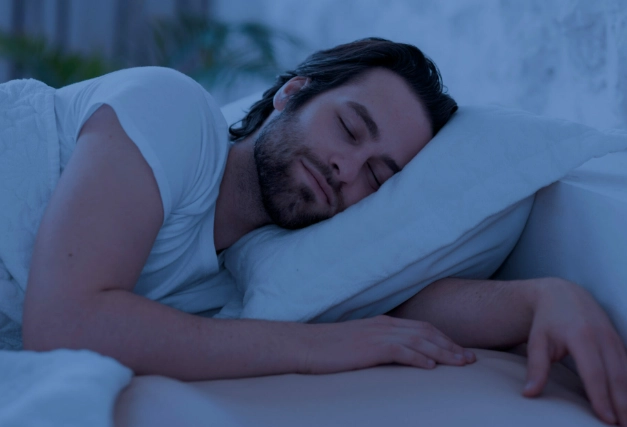
Deep sleep, or N3, typically dominates the first half of your night. During this stage, your brain waves slow into large, rolling delta waves—hence "slow-wave sleep." Your breathing and heart rate are at their lowest and steadiest. This is the hardest stage to be woken from. If someone shakes you awake during deep sleep, you'll likely feel disoriented and sluggish for several minutes, a state called sleep inertia.
Did You Know? The proportion of deep sleep you get naturally decreases with age. A young adult might spend 15-25% of the night in deep sleep, while someone over 65 might only get 5% or less. This is one reason why sleep quality often feels more fragile as we get older, and why protecting it becomes even more critical.
You can't directly feel yourself entering deep sleep, but your body gives you clues the next day. A night rich in deep sleep often results in waking up feeling physically restored, with less bodily ache. Mentally, you might notice better focus and a clearer head.
The Brain Benefits: More Than Just Memory
This is where deep sleep earns its superhero cape. While REM sleep is linked to dreaming and emotional processing, deep sleep is the workhorse of cognitive maintenance.
Memory Consolidation & Learning
It's not an exaggeration to say you learn in your sleep. Throughout the day, memories are temporarily stored in a brain region called the hippocampus. During deep sleep, these memories are essentially "downloaded" and transferred to the long-term storage of the neocortex. This process solidifies what you've learned and practiced.
A classic study published in Nature Neuroscience had participants learn a motor skill task. Those who got a night of sleep showed significant improvement, while those who stayed awake did not. Crucially, the amount of deep sleep they obtained predicted the degree of improvement. Your brain isn't just resting; it's actively rehearsing and integrating new information.
The Brain's Detox Cycle
One of the most groundbreaking discoveries in recent neuroscience is the glymphatic system. Think of it as your brain's waste clearance system. During deep sleep, the flow of cerebrospinal fluid through brain tissue increases dramatically, flushing out metabolic debris that accumulates during the day.
This includes beta-amyloid and tau proteins, which are associated with Alzheimer's disease. Researchers believe that chronically poor deep sleep may be a significant risk factor for neurodegenerative diseases because it impairs this nightly cleaning process. It's like skipping the nightly trash pickup for your brain.
Emotional & Mental Resilience
Deep sleep helps reset the brain's emotional thermostat. It dials down activity in the amygdala, the brain's fear center, and strengthens its connection to the prefrontal cortex, which handles rational decision-making. After a good night of deep sleep, you're simply less reactive to stress and negative stimuli.
Ever notice how problems seem smaller after a night's sleep? That's not just a saying. It's your brain, having processed and contextualized emotional memories during deep sleep, giving you a clearer, calmer perspective.
The Body Benefits: From Cells to Immunity
The benefits aren't confined to your head. While your brain is busy filing memories and taking out the trash, your body is in full repair mode.
Physical Restoration & Growth
This is when human growth hormone (HGH) is primarily released. HGH isn't just for kids; in adults, it's essential for tissue repair, muscle growth, bone building, and cell regeneration. It helps heal micro-tears in muscles from exercise, repairs skin cells, and strengthens bones. If you're trying to build fitness or recover from an injury, deep sleep is a non-negotiable part of the process.
Metabolic & Hormonal Balance
Deep sleep plays a crucial role in regulating hormones that control appetite: ghrelin (the "hunger" hormone) and leptin (the "fullness" hormone). Skimping on deep sleep throws this balance off, increasing ghrelin and decreasing leptin. This is a direct biological pathway linking poor sleep to increased hunger, cravings for high-calorie foods, and weight gain.
It also improves insulin sensitivity. A lack of deep sleep can make your cells more resistant to insulin, a precursor to type 2 diabetes. Studies from the University of Chicago have shown that restricting deep sleep in healthy young men can induce a pre-diabetic state in just a few days.
Immune System Fortification
Your immune system releases proteins called cytokines during sleep, some of which are needed to fight infection or inflammation. Deep sleep is when this production is optimized. This is why you tend to sleep more when you're sick—your body is demanding more deep sleep to fuel the immune response. Chronically poor sleep can make you more susceptible to common illnesses like the cold or flu. Research from the University of California, San Francisco, found that people who slept less than six hours a night were four times more likely to catch a cold when exposed to the virus than those who slept more than seven hours.
How to Actually Get More Deep Sleep (Practical Tips)
You can't force yourself into deep sleep, but you can create the perfect conditions for it to happen. It's about strengthening your sleep drive and removing obstacles.
Prioritize Sleep Regularity: This is the big one. Go to bed and wake up at roughly the same time every day, even on weekends. A consistent schedule anchors your circadian rhythm and makes the initiation of deep sleep cycles more robust.
Embrace (Real) Darkness: Light exposure at night, especially blue light from screens, suppresses melatonin, the hormone that opens the gate for sleep. Dim lights 90 minutes before bed. Use blackout curtains or a sleep mask. If you need a nightlight, make it a dim red one.
Manage Temperature: Your core body temperature needs to drop to initiate sleep. A cool room (around 65°F or 18°C) is ideal. Take a warm bath 1-2 hours before bed; the subsequent cooldown can help trigger sleepiness.
Be Smart About Exercise: Regular daily exercise is fantastic for deepening sleep. However, intense workouts right before bed can be stimulating for some people. Find your own cutoff time—for many, finishing exercise at least 2-3 hours before bed works.
Watch Your Diet: A heavy meal right before bed forces your digestive system to work, which can interfere with deep sleep. Also, be cautious with caffeine and alcohol. Caffeine has a long half-life—that afternoon coffee can still be in your system at bedtime. And as we'll discuss below, alcohol is a deep sleep wrecker.
The Deep Sleep Saboteurs: Common Mistakes
We often undermine our own sleep with well-intentioned but misguided habits.
The "Weekend Catch-Up" Fallacy: Sleeping in on Saturday feels great, but it's like constantly changing your time zone. It confuses your internal clock and makes it harder to get quality deep sleep on Sunday night, setting up a rough Monday.
Over-Reliance on Sleep Trackers: I used to check my sleep score first thing in the morning. If it was low, my day started with anxiety. This performance pressure is counterproductive. The data is an estimate, not a grade. Feelings are a better metric.
Using Alcohol as a Sleep Aid: This is perhaps the most damaging myth. Alcohol is a sedative, not a sleep aid. It knocks you out but shatters the architecture of your sleep, particularly decimating deep sleep in the second half of the night.
Staying in Bed When You Can't Sleep: If you're awake for more than 20 minutes, get up. Go to another dimly lit room and do something calm (read a physical book, listen to quiet music). Lying in bed frustrated teaches your brain that the bed is a place for anxiety, not sleep.
Your Deep Sleep Questions Answered
Deep sleep isn't a luxury. It's a fundamental biological process, as vital as nutrition or exercise. You can't directly control it, but by understanding its profound benefits and cultivating the right habits—consistency, a cool dark room, and a calm mind before bed—you set the stage for your brain and body to do their best work. Start tonight. Don't aim for perfection, just a slightly more regular bedtime. That's where the real restoration begins.
Reader Comments