If anxiety or depression keeps you awake at night, you're not alone. I've worked as a sleep coach for over a decade, and I've seen how these mental health issues create a vicious cycle: poor sleep worsens anxiety and depression, which then makes sleep even harder. But here's the thing—most advice out there is too generic. You'll hear "practice good sleep hygiene," but that ignores the racing thoughts and emotional weight that come with anxiety and depression. In this guide, I'll share practical, tailored strategies that actually work, based on science and real client experiences. Let's cut through the noise and get you some rest.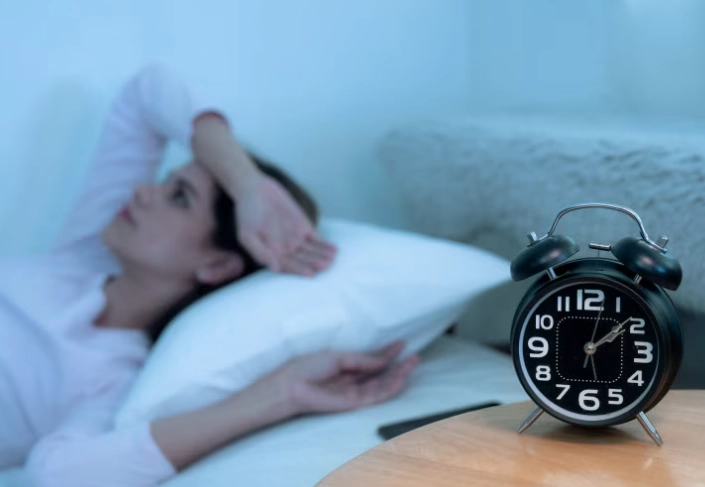
What You'll Find in This Guide
Why Anxiety and Depression Ruin Your Sleep
It's not just in your head—well, it is, but there's a biological basis. Anxiety often triggers the body's fight-or-flight response, releasing cortisol and adrenaline that keep you alert. Depression can disrupt your circadian rhythm, making you feel tired yet unable to sleep. A common mistake people make is blaming themselves for not "trying hard enough" to sleep. That adds more pressure and makes things worse.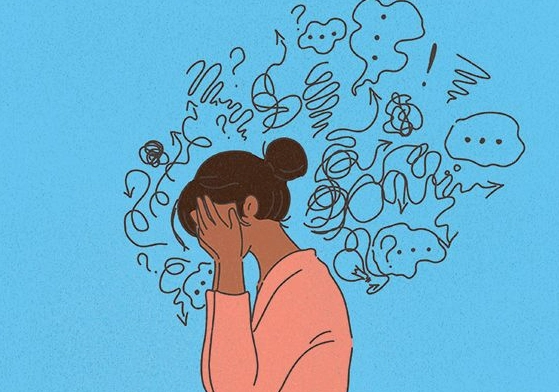
The Science Behind Sleep Disturbances
Research from the National Institute of Mental Health shows that anxiety disorders are linked to hyperarousal, where your brain stays on high alert. Depression often involves imbalances in neurotransmitters like serotonin, which regulate sleep. When clients come to me, they're surprised to learn that their insomnia isn't a personal failure but a symptom of these conditions.
Common Sleep Problems in Anxiety and Depression
You might experience difficulty falling asleep, frequent waking, or waking up too early. I recall a client, Sarah, who'd lie in bed for hours with her mind racing about work. She thought she needed more discipline, but actually, her anxiety was manifesting as physical tension. We worked on addressing that directly.
Practical Strategies to Improve Sleep Tonight
Forget the one-size-fits-all tips. Here are methods I've seen work for people with anxiety and depression. Start small—pick one or two to try tonight.
Creating a Calming Bedtime Routine
A routine signals to your brain that it's time to wind down. But most people do it wrong by including stimulating activities like checking emails or watching intense shows. Instead, try this: 60 minutes before bed, switch to low-light and do something gentle. For example, listen to a podcast with a calm voice (not news), or practice gentle stretching. I advise clients to avoid screens, but if you must use them, use blue light filters. One client found that writing down worries in a journal for 10 minutes helped "empty" his mind before sleep.
Cognitive Behavioral Techniques for Insomnia
Cognitive Behavioral Therapy for Insomnia (CBT-I) is gold standard for sleep issues, especially with anxiety and depression. It's not just about positive thinking—it involves restructuring unhelpful thoughts. A simple technique: when you catch yourself thinking "I'll never sleep," challenge it with evidence. Maybe you slept well last Tuesday. The American Psychological Association notes that CBT-I can improve sleep in as little as a few weeks. You can find online programs or work with a therapist.
Environmental Adjustments for Better Sleep
Your bedroom should be a sanctuary. But many people clutter it with work stuff or use it for daytime activities, which subconsciously links the space to stress. Make it cool, dark, and quiet. Consider blackout curtains or a white noise machine. I've seen clients benefit from weighted blankets, which provide deep pressure that can reduce anxiety. It's not a magic fix, but it helps some people feel grounded.
| Strategy | How It Helps with Anxiety/Depression | Time to Try |
|---|---|---|
| Bedtime Journaling | Reduces rumination by externalizing worries | 10 minutes before bed |
| 4-7-8 Breathing Technique | Calms the nervous system, lowers heart rate | When feeling anxious in bed |
| Progressive Muscle Relaxation | Releases physical tension linked to anxiety | 15 minutes before sleep |
Long-Term Solutions for Sustainable Sleep Health
Quick fixes might help tonight, but for lasting change, you need to address the root causes. This isn't about perfection—it's about consistency.
Integrating Mindfulness and Meditation
Mindfulness isn't just sitting cross-legged; it's about observing thoughts without judgment. For anxiety, this can reduce the power of racing thoughts. Apps like Headspace offer guided meditations, but you can start with 5 minutes a day focusing on your breath. A study published in JAMA Internal Medicine found mindfulness meditation improves sleep quality. I recommend practicing during the day, not right before bed, to build the skill without pressure.
When to Seek Professional Help
If sleep problems persist for over a month and impact your daily life, see a doctor or therapist. Medication might be an option, but it's not the only one. Many clients hesitate because they think it's a sign of weakness, but getting help is proactive. Treatments like CBT-I or antidepressants can be tailored to your needs. Don't self-diagnose—a professional can rule out other issues like sleep apnea.
Here's a personal insight: I once struggled with anxiety-induced insomnia myself. I tried everything from herbal teas to strict schedules, but what worked was accepting that some nights would be rough. That reduced the anxiety about sleep itself. It's a subtle shift, but it breaks the cycle of fear.
FAQ: Your Burning Questions Answered
Remember, improving sleep with anxiety and depression is a journey. Start with one small change, be patient with yourself, and seek support when needed. You don't have to do it alone.
Reader Comments