I’ve lost count of the nights I spent pleading, negotiating, or just sitting defeated outside my toddler’s door. The advice felt endless: warm baths, lavender, strict schedules. Sometimes it helped. Often, it didn’t. The real breakthrough came when I stopped looking for a magic trick and started understanding the why behind the routine.
A toddler’s brain is a wild, wonderful place. It’s learning at a dizzying speed, which is incredible and exhausting. For them, transitioning from the busyness of the day to the quiet of sleep isn’t a switch they can flip. It’s a bridge they need to walk, step by predictable step. A bedtime routine isn’t just a list of tasks; it’s a series of cues that tell their nervous system, “Hey, it’s safe to power down now.”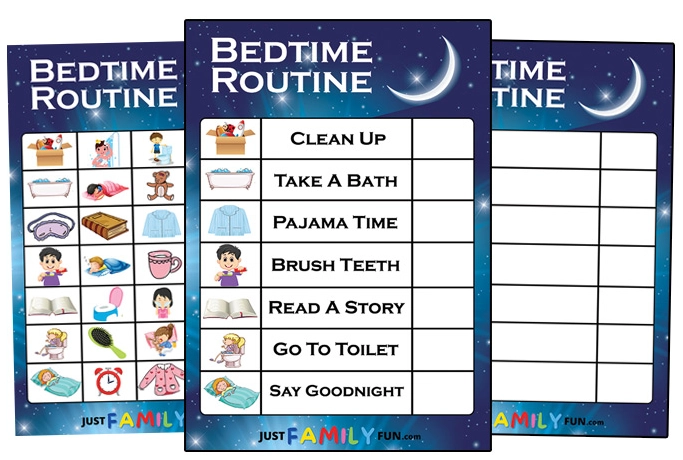
This guide isn’t about perfection. It’s about creating a rhythm so reliable that even on the tough nights—and there will be tough nights—you have a map to guide you both back to calm.
What’s in This Guide?
Why a Simple Routine Becomes Your Secret Weapon
Think about your own wind-down. Maybe you check the doors, wash your face, read a few pages. You’re not just doing chores; you’re signaling to your body that the workday is over. Toddlers need that signal even more, but they can’t create it themselves. They rely on us to build the scaffolding for their sleep.
The American Academy of Pediatrics emphasizes consistency in sleep schedules for young children, linking it to better emotional regulation and learning. But here’s the nuance everyone misses: consistency isn’t rigidity. It’s not about starting bath time at 7:03 PM every night. It’s about the predictable sequence of events.
Bath, then pajamas, then two stories, then cuddles. That sequence, repeated, becomes a powerful cue. It tells their primal brain what’s coming next, reducing anxiety and the need to fight for control. The “just one more story” negotiations lose their power when the boundary is the routine itself, not you being the “bad guy.”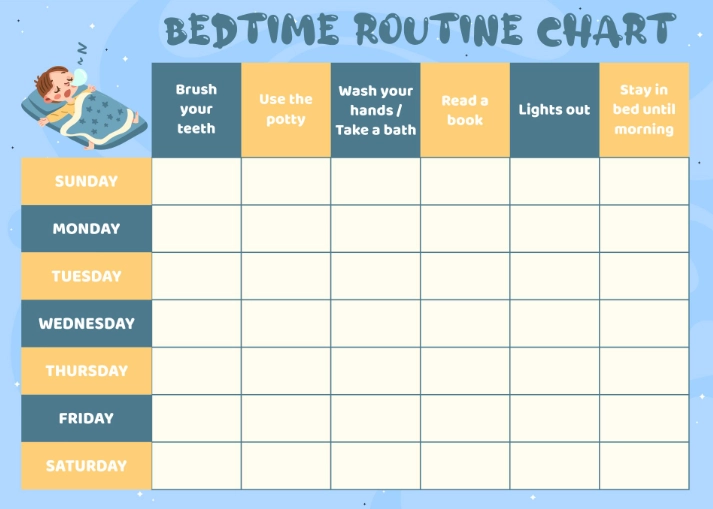
The Step-by-Step Bedtime Routine (With Timing)
Let’s get practical. This is the framework I used and refined. The exact activities can be yours, but the structure is key. Aim for a 30-45 minute total window.
| Step | What to Do | Why It Works | Time (approx.) |
|---|---|---|---|
| 1. The Warning Bell | “Five minutes until bath time!” Give a tangible, visual cue like turning off the big light and turning on a lamp. | Prevents the jarring transition from play to cleanup. It’s a cue, not a command. | 5 min |
| 2. Clean-Up & Bath | Involve them: “Let’s put the trucks to bed.” Follow with a warm (not hot) bath. Keep play calm. | Physical transition space. Warm water raises body temp, then the cooldown after triggers sleepiness. | 10-15 min |
| 3. Cozy Connection | Low lights, gentle massage with lotion, soft music. Get PJs on. This is prime cuddle time. | Skin-to-skin contact (even through PJs) and gentle touch release oxytocin, the bonding hormone that reduces stress. | |
| 4. The Final Calm | Move to the sleep space. Read 1-2 books. Choose familiar, gentle stories over exciting new ones. | Reading together focuses their busy mind. Their breathing syncs with yours, slowing down naturally. | 10-15 min |
| 5. Goodnight Ritual | A predictable series: hug, kiss, say “I love you. Sweet dreams.” Use the same phrase every night. | Creates a clear, loving endpoint. They know what comes next (you leaving) and that it’s safe. | 2 min |
The first week, this might feel long. You’re building a habit. By week two, you’ll notice less resistance. By week three, they might start prompting you: “Bath time now?” That’s the magic. They’ve internalized the rhythm.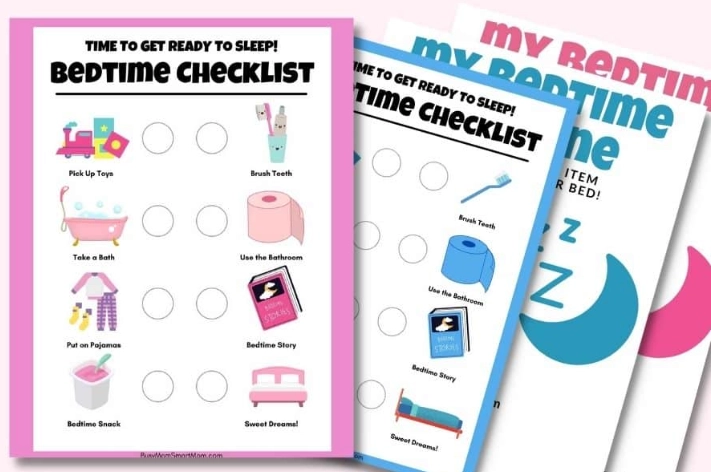
The “One Thing” Most Parents Skip
Your own state of mind. If you’re stressed about the clock or your to-do list, your toddler will sense it. Their mirror neurons are always on. Take three deep breaths before you start the routine. This isn’t woo-woo; it’s neuroscience. A calmer you cues a calmer them.
The 3 Mistakes That Keep Toddlers Awake
I made all of these. Learning to spot them changed everything.
Mistake 1: Rushing the “Final Goodnight.” You’ve done the routine, you say goodnight, and they ask for water. You rush in, give it, rush out. They ask for another hug. This teaches them that the door reopening is part of the routine. Instead, anticipate needs before the final goodnight. “Do you need one last sip of water? One more hug? Okay, now it’s time for sleep.” Then be a boring, predictable robot. If you need to go back in, keep lights off, don’t make eye contact, and just soothe minimally.
Mistake 2: Using Blue Light After Bath. That quick check of your phone or the bright tablet for a story? The blue light tells their brain the sun is up, suppressing melatonin. Switch to warm-toned night lights and physical books.
Mistake 3: Letting the Routine Creep Longer. “Just one more story” seems harmless. But it turns the routine into a negotiation. Set a clear limit and stick to it. “We have time for two books tonight. Which two shall we pick?” This gives them control within your boundaries.
How to Stick to the Routine (Even When Life Gets Messy)
Grandma visits. You’re on vacation. They get sick. The routine goes out the window. Here’s the secret: it’s okay. The goal isn’t perfection; it’s a default setting you can return to. On off-nights, shorten the routine to its core anchors: clean-up, PJs, story, goodnight phrase. That’s it. The familiar sequence matters more than the full show.
For travel, bring a familiar item—their sheet, a stuffy, a small night light. Do the shortened version of the routine. It signals “sleep time” even in a new place.
Your Top Toddler Bedtime Questions, Answered
This is the big one. First, ensure all their needs are met (water, bathroom, a final hug). If they still cry, try a gradual retreat. Tonight, sit by the bed until they’re almost asleep. Tomorrow, sit a few feet away. Next night, by the door. It’s slow, but it builds security. Rushing back in teaches them that crying works to get you there. Staying for hours teaches them you’ll always stay. The middle path builds confidence.
Stay calm and boring. Guide them back to bed with minimal interaction—a soft “it’s sleep time” and a tuck-in. No lectures, no cuddles. It might take 20 trips back the first night. It might take 15 the next. Consistency is the only tool that works here. They are testing the boundary. A predictable, dull response makes the test less interesting.
A small, protein-and-carb snack (like half a banana and a few crackers) about 30-45 minutes before bed can prevent hunger from waking them. Avoid sugar or large amounts of liquid. Make it part of the early routine, not something in bed.
The journey to peaceful toddler bedtimes isn’t a straight line. Some nights will be easy. Others will test you. But when you have a clear, loving routine as your anchor, the storms feel less scary. You’re not just getting them to sleep; you’re teaching them how to calm themselves, how to transition, how to feel safe in the dark. That’s a skill that lasts a lifetime.
Start tonight. Pick one small piece—maybe the five-minute warning or the consistent goodnight phrase—and do just that. Build from there. You’ve got this.
Reader Comments