You know the feeling. It's 2 AM, you're staring at the ceiling, and your brain is running a marathon of tomorrow's to-do list, that awkward thing you said five years ago, and whether you remembered to turn off the coffee pot. You've tried counting sheep, warm milk, maybe even some questionable supplements from the internet. The truth is, improving sleep isn't about one magic trick. It's a system. After years of wrestling with my own sleep and digging into the research, I've found that consistent, small changes to your environment and habits make the biggest difference. Forget the quick fixes. Here are 10 actionable, science-backed strategies to help you fall asleep faster, stay asleep longer, and wake up feeling genuinely refreshed.
Your Quick Guide to Better Sleep
Master Your Sleep Environment
Think of your bedroom as a cave. It should be cool, dark, and quiet. This isn't just comfort; it's biology. Your body's core temperature needs to drop to initiate sleep, and light is the primary signal to your brain that it's time to be awake.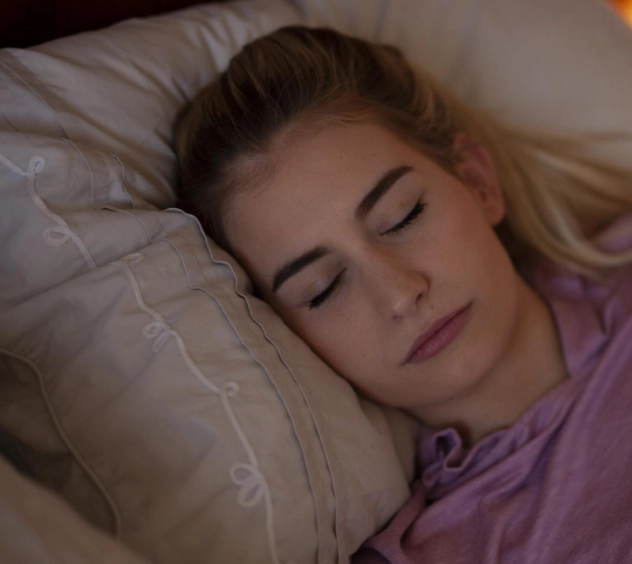
1. Dial in the Darkness (Like, Really Dark)
Even tiny amounts of light from a streetlamp, charging LED, or digital clock can disrupt your melatonin production and sleep architecture. Blackout curtains are a non-negotiable investment. I resisted for years, thinking my blinds were "good enough." The first night with proper blackouts was a revelation. For any remaining light leaks, a comfortable sleep mask works wonders. The goal is pitch black when you close your eyes.
2. Cool It Down
The ideal sleep temperature for most people is between 60-67°F (15.5-19.5°C). If you can't control the whole house thermostat, focus on your micro-environment. Use a fan (for both cooling and white noise), opt for breathable cotton or linen bedding, and consider a cooling mattress pad if you tend to sleep hot. A hot room is one of the most common, yet overlooked, culprits behind fragmented sleep.
3. Silence and Sound
Total silence can be unsettling for some, while sudden noises are disruptive for all. The solution isn't always earplugs (though they're great). White noise or pink noise machines create a consistent auditory blanket that masks traffic, noisy neighbors, or a partner's snoring. There are plenty of free apps, but a dedicated machine avoids the temptation to check your phone.
Pro Tip: The 1-Hour Electronics Curfew
This is the single most effective change I've made. Blue light from screens suppresses melatonin. But it's not just the light. Scrolling through work emails or stressful news triggers cognitive and emotional arousal, the opposite of what you need for sleep. Set an alarm for one hour before bed. When it goes off, all phones, tablets, and laptops go into another room to charge. Use the last hour for a real book, light stretching, or conversation.
Craft a Wind-Down Ritual
Your brain needs a signal to shift from "go" mode to "slow" mode. A consistent pre-sleep routine acts as that signal.
4. Be Boringly Consistent
Going to bed and waking up at roughly the same time every day—even on weekends—is the bedrock of good sleep hygiene. It regulates your circadian rhythm. Yes, sleeping in on Saturday feels great, but it's like giving yourself jet lag every weekend, making Monday morning brutal. Aim for a variation of no more than an hour.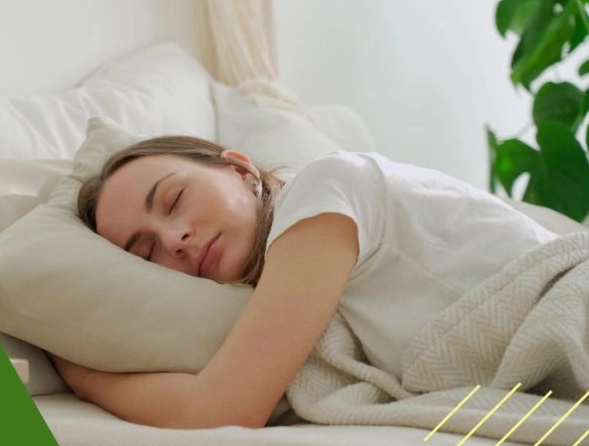
5. Develop a Pre-Sleep "Buffer Zone"
The hour before bed should be for low-stimulation, relaxing activities. This is where you replace scrolling. Try:
Reading a physical book under soft, warm-light lamp.
Gentle stretching or yoga (focus on relaxing poses like child's pose or legs-up-the-wall).
Listening to calm music or an audiobook.
Journaling to dump anxieties from your head onto paper.
The key is consistency. Doing the same calming sequence tells your body it's time to power down.
6. Rethink the Nightcap
Alcohol might help you fall asleep initially, but it's a sleep wrecker. It metabolizes during the night, leading to fragmented, shallow sleep and often causing early morning awakenings. Try to finish any alcohol at least 3 hours before bedtime. You'll likely find you sleep more soundly and wake up more clear-headed.
Leverage Daytime Habits for Nighttime Rest
What you do during the day profoundly impacts your night.
7. Get Morning Light, Block Evening Light
View bright, natural light within 30-60 minutes of waking. This resets your internal clock, boosting daytime alertness and solidifying your sleep-wake cycle. A 10-minute morning walk does the trick. Conversely, as evening approaches, dim indoor lights and avoid bright overhead lights. Use lamps instead. This contrast strengthens your circadian rhythm.
8. Schedule Sweat Wisely
Regular exercise is fantastic for sleep quality, promoting deeper slow-wave sleep. However, timing matters. Intense exercise too close to bedtime can be overstimulating for some people due to the release of endorphins and core body temperature increase. Finish vigorous workouts at least 3 hours before bed. Gentle movement like an evening walk is perfectly fine.
9. Manage the Mental Load
Stress and anxiety are the arch-nemeses of sleep. A racing mind at bedtime is a common complaint. Incorporate a brief stress-management practice into your day, like 10 minutes of mindfulness meditation. Apps like Headspace or Calm offer guided sessions. The goal isn't to empty your mind, but to observe thoughts without getting hooked by them, making it easier to let go at night.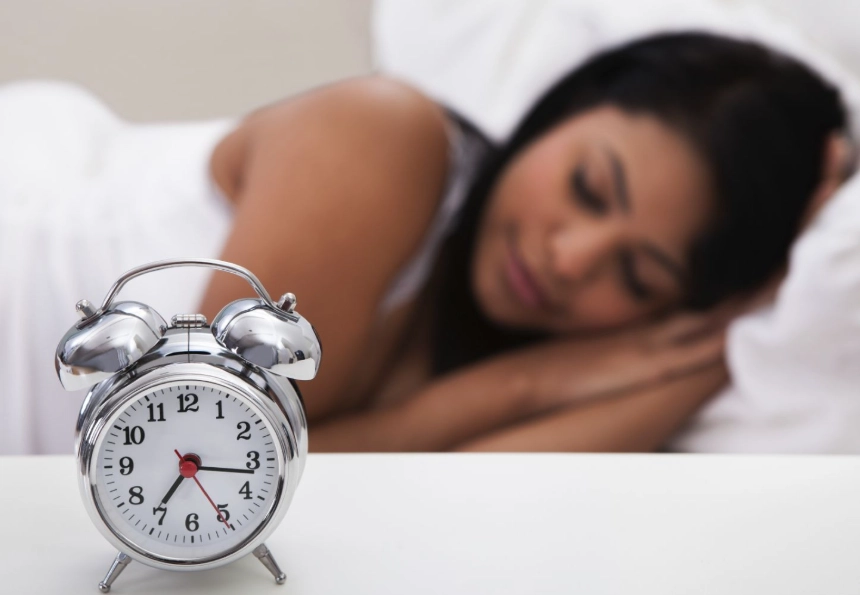
Food, Drink, and Sleep
Your evening nutrition plays a supporting role.
10. Mind Your Evening Intake
A heavy, rich, or spicy meal right before bed can cause discomfort, indigestion, and acid reflux, which can keep you awake. Aim to finish large meals 2-3 hours before bedtime. If you need a small snack closer to bed, choose something that combines a little protein with complex carbs, like a small bowl of oatmeal, a banana with a spoonful of almond butter, or whole-grain crackers with cheese. Avoid sugary snacks, which can cause energy spikes.
Caffeine has a half-life of about 5-6 hours. That 3 PM coffee means half the caffeine is still in your system at 9 PM. Establish a firm caffeine curfew, ideally by 2 PM. Also, watch out for hidden sources like dark chocolate, some medications, and green tea.
When to Seek Help
If you've consistently implemented these tips for 3-4 weeks and still struggle with severe insomnia, daytime fatigue, or loud, chronic snoring (which could indicate sleep apnea), it's time to consult a healthcare professional or a sleep specialist. Organizations like the American Academy of Sleep Medicine provide resources to find accredited centers. Sometimes, there's an underlying medical issue that needs addressing.
Reader Comments