You're exhausted. Your body feels heavy. But the moment your head hits the pillow, your brain decides it's time for a full-scale review of every awkward conversation you've ever had, or it starts planning your grocery list for the next decade. Sound familiar? The frustration of wanting to sleep but being unable to is a special kind of torture. I've been there, staring at the ceiling at 3 AM, convinced I'm the only person awake on the planet. The good news? You're not broken, and you're not alone. More importantly, there are concrete, effective strategies beyond "just relax" or "count sheep." This guide cuts through the noise to give you actionable, science-informed techniques to finally quiet your mind and fall asleep.
What's Inside: Your Quick Guide to Falling Asleep
The First Step Everyone Misses: Reset Your Sleep Mindset
Most advice jumps straight to techniques. But if your mindset is working against you, the techniques will fail. The biggest mistake I see? Trying too hard to fall asleep. Sleep is a passive process. You can't force it any more than you can force yourself to digest food faster. The anxiety about not sleeping becomes the very thing that keeps you awake, creating a vicious cycle.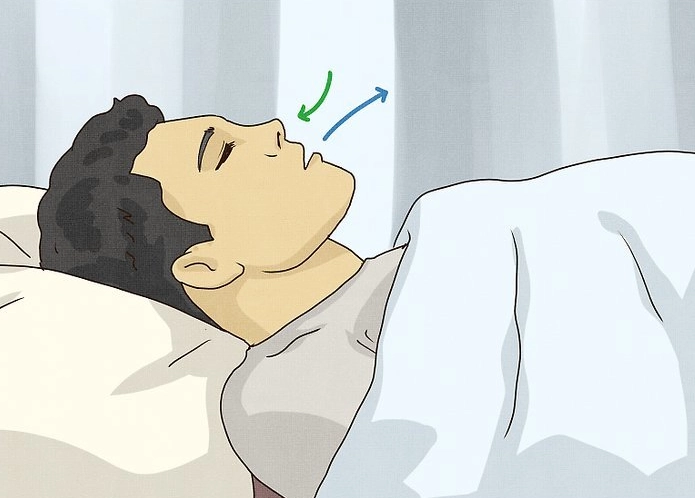
Expert Insight: Sleep researcher Dr. Allison Harvey from UC Berkeley talks about the "intention-effort" gap. The more effort you put into trying to sleep, the more your nervous system stays activated, thinking there's a problem to solve. Your goal should shift from "I must sleep now" to "I will allow my body to rest."
Here's the mindset shift: your bed is for sleep and intimacy only. Not for worrying, planning, or watching thrilling Netflix series. If you're awake and frustrated for more than 20-25 minutes, get up. Go to another room. Do something boring in dim light—read a physical book (not a screen), listen to calm music, or try some gentle stretching. Only return to bed when you feel sleepy. This breaks the association between bed and anxiety. It's annoying at 2 AM, but it's one of the most powerful tools from Cognitive Behavioral Therapy for Insomnia (CBT-I), the gold-standard treatment.
In-the-Moment Techniques: What to Do When You're Lying Awake
Okay, you're in bed, trying not to try. What now? Ditch the counting sheep. For many, it's too active and keeps the brain engaged. Instead, experiment with these methods that aim to distract or calm the mind in a gentler way.
The 4-7-8 Breathing Method (Dr. Andrew Weil)
This isn't just deep breathing; it's a specific pattern that acts as a natural tranquilizer for your nervous system.
- Place the tip of your tongue against the ridge behind your upper front teeth. Keep it there.
- Exhale completely through your mouth, making a whoosh sound.
- Close your mouth and inhale quietly through your nose for a count of 4.
- Hold your breath for a count of 7.
- Exhale completely through your mouth (with the whoosh sound) for a count of 8.
That's one breath cycle. Repeat for three more cycles (four total). The extended exhale is key—it stimulates the parasympathetic nervous system, signaling safety and rest.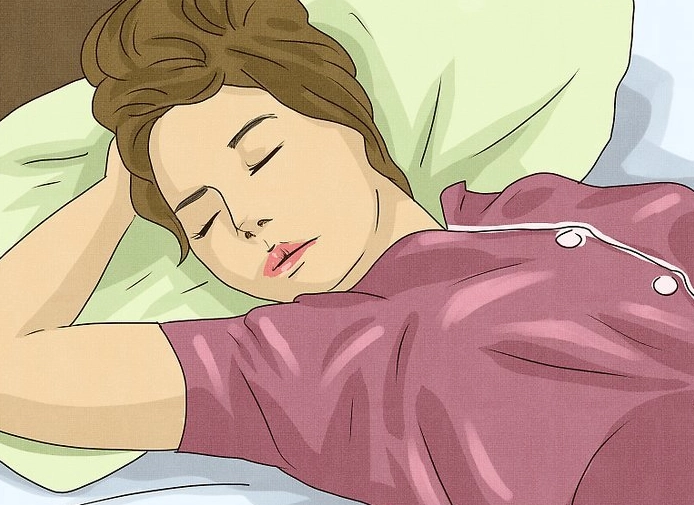
Body Scan Meditation (Not the Fluffy Kind)
Forget about "clearing your mind." The goal here is to focus your attention on physical sensations, which pulls it away from anxious thoughts.
Start at your toes. Notice any sensation there—tingling, warmth, the feel of the sheets. Don't judge it, just notice it. Then, mentally move to the soles of your feet, your heels, your ankles... and slowly work your way up your body. Spend about 5-10 seconds on each area. If your mind wanders (it will), gently bring it back to the body part you were on. You're not trying to relax each part, just observe it. This passive attention is surprisingly effective at inducing sleepiness.
"Worry Time" and Mental Download
If your brain is a browser with 50 tabs open, you need to bookmark them and close the window. Keep a notepad and pen by your bed. If thoughts are racing, sit up, turn on a very dim light, and write them down. Be specific. "Worry about Q3 presentation" is better than "work stress." Once it's on paper, your brain often feels permission to let it go until the morning. Tell yourself, "I've captured this. I can deal with it tomorrow."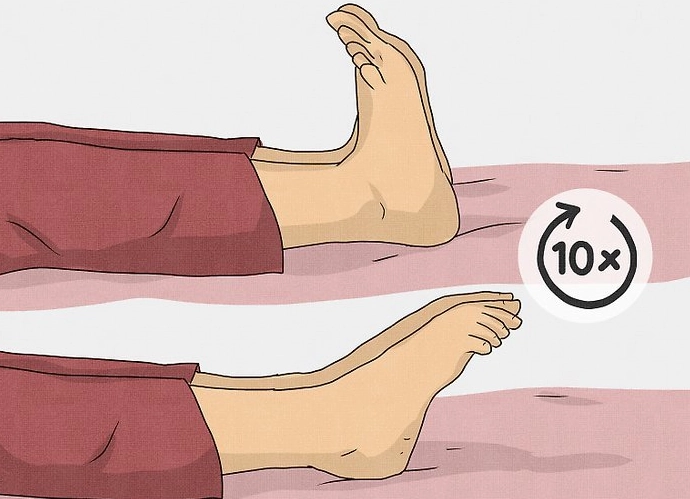
Building a Sleep-Friendly Foundation: Your Daytime Habits
Sleep isn't an isolated event. It's the result of how you spent your last 16 hours. Think of these as the non-negotiables that set the stage for easier sleep.
| Habit | What to Do | Why It Works (The Science Bit) |
|---|---|---|
| Light Exposure | Get bright, natural light within 30-60 minutes of waking. Aim for at least 15 minutes. | Resets your circadian rhythm (internal clock) by suppressing melatonin and signaling "daytime." This makes the evening melatonin release stronger and more timely. |
| Exercise | Regular moderate exercise (e.g., brisk walking, cycling). Finish intense workouts at least 3 hours before bed. | Reduces anxiety, tires the body physically, and helps regulate sleep-wake cycles. However, late intense exercise can raise core body temperature, which is counterproductive for sleep onset. |
| Caffeine & Alcohol Cut-off | No caffeine after 2 PM. Limit alcohol, especially within 3 hours of bedtime. | Caffeine has a half-life of 5-6 hours. Alcohol may make you drowsy initially but disrupts the later, restorative stages of sleep (like REM sleep). |
| Wind-Down Routine | The last 60 minutes before bed: dim lights, no screens, quiet activity (reading, light chores, gentle music). | Signals to your brain that it's time to shift from "doing" to "resting." Blue light from screens directly inhibits melatonin production. |
A Common Pitfall: People often focus only on the pre-bed routine and neglect daytime light exposure and consistent wake-up times. Waking up at the same time every day (yes, even weekends) is arguably more important for regulating your clock than a consistent bedtime.
When It's More Than Just a Bad Night: Knowing When to Seek Help
If you've tried consistent lifestyle changes and in-bed techniques for a few weeks with little improvement, it might be time to look deeper. Chronic insomnia can be linked to other issues.
Consider talking to a doctor or sleep specialist if:
- Your sleep struggles occur 3 or more nights per week for over 3 months.

- You experience loud snoring, gasping for air, or restless legs at night (these suggest sleep apnea or other disorders).
- Your daytime fatigue is severe, affecting your mood, concentration, or safety (like while driving).
- You find yourself relying on sleep aids more than occasionally.
A professional can rule out medical conditions (thyroid issues, chronic pain) and may refer you to a therapist trained in CBT-I, which, as mentioned, is the first-line treatment recommended by organizations like the American Psychological Association and the National Institutes of Health. It's more effective in the long term than medication for most people.
Reader Comments