You've tried counting sheep, cutting out coffee after 2 PM, and your bedroom is darker than a cave. Yet, sleep still feels like a distant dream. The world of sleep supplements is a crowded, confusing place. Walk down the aisle and you're bombarded with promises of "deep, restorative sleep" from a dozen different bottles. But which ones are backed by real science, and which are just expensive placebos? More importantly, how do you use them correctly so they actually help? Let's move beyond the generic lists and dive into what truly helps, based on evidence and a realistic look at how our bodies wind down for the night.
What You'll Find in This Guide
The Big Four: Evidence-Backed Supplements Explained
Forget the endless list. We're focusing on the heavy hitters with substantial research behind them. Think of them as tools for different parts of the sleep process.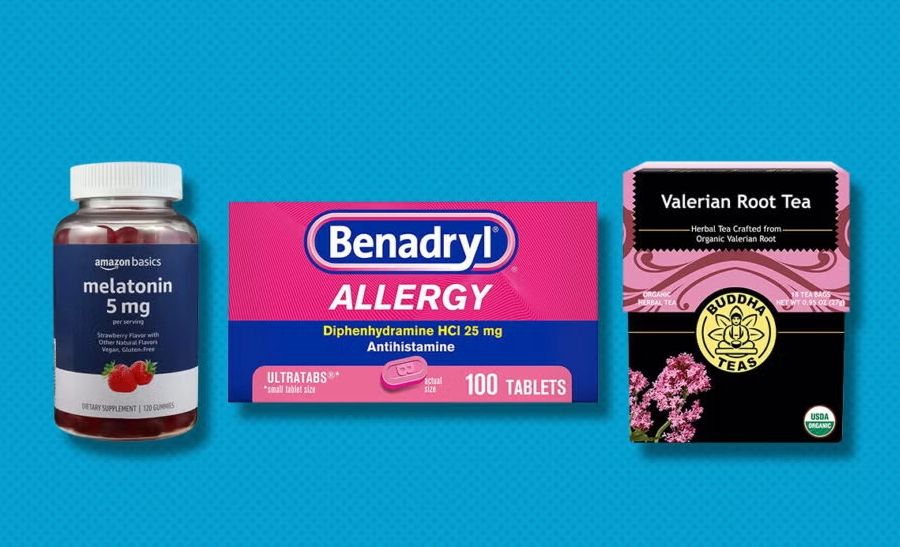
1. Magnesium: The Relaxation Mineral
This isn't just for muscle cramps. Magnesium plays a crucial role in regulating neurotransmitters that calm the nervous system. A review in the Journal of Research in Medical Sciences found magnesium supplementation improved sleep quality, especially in people with low levels. The key is the form. Magnesium glycinate is the superstar here—it's highly absorbable and the glycine itself has its own mild sedative properties. Magnesium citrate might send you running to the bathroom, which is... not conducive to sleep. I personally find about 200-400mg of magnesium glycinate about an hour before bed takes the edge off a racing mind.
2. L-Theanine: For the Anxious Mind
Found in green tea, L-theanine promotes alpha brain waves—the state associated with calm alertness, like during meditation. It doesn't knock you out. Instead, it takes the sharp edges off anxiety and stress that prevent sleep onset. A study published in Asia Pacific Journal of Clinical Nutrition showed it improved sleep quality in boys with ADHD. It's perfect if you lie in bed mentally rehearsing tomorrow's meeting. Pairing 100-200mg of L-theanine with magnesium can be a powerful, non-habit-forming combo for stress-related insomnia.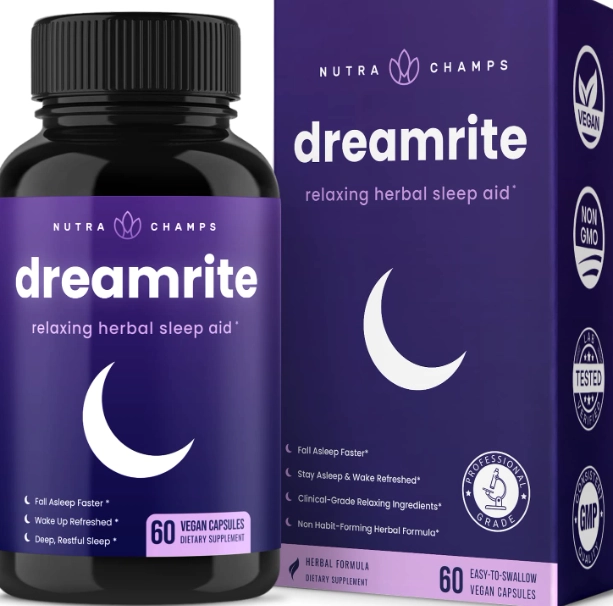
3. Melatonin: The Timing Hormone (Not a Knock-Out Pill)
Here's the biggest misconception: melatonin is not a sleeping pill. It's a hormone that tells your brain it's time to sleep. It's fantastic for resetting your circadian rhythm—think jet lag, shift work, or if you've become a night owl. The mistake? Taking too much. Studies often use doses as low as 0.3mg to 1mg. The 5mg, 10mg bottles are overkill for most and can lead to morning grogginess. Start with 0.5mg, taken 30-60 minutes before your target bedtime. If you take it at midnight but want to sleep at 10 PM, you're using it wrong.
4. Glycine: The Underrated Cool-Down Agent
This amino acid has a gentle, cooling effect on the core body temperature, a key signal for sleep initiation. Research in the Sleep and Biological Rhythms journal found that 3 grams of glycine before bed improved subjective sleep quality and reduced daytime sleepiness. It's subtle, often described as helping you "sink" into sleep more easily rather than forcing it. It's my go-to recommendation for people who feel physically restless or "wired" at bedtime.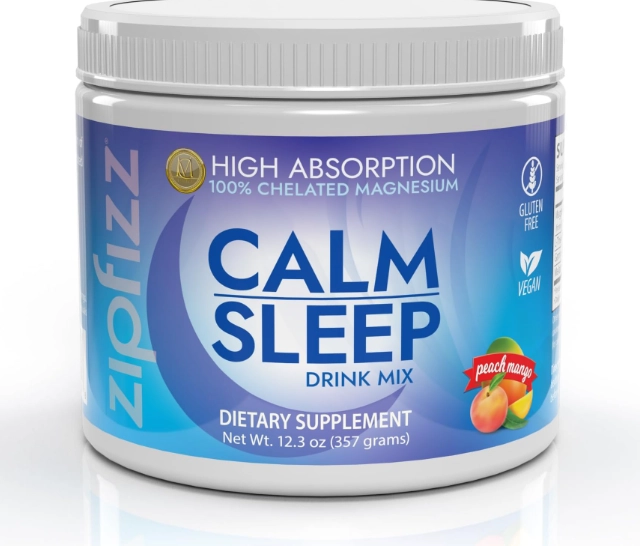
The 3 Most Common Mistakes People Make With Sleep Aids
Watching people use sleep supplements sometimes feels like watching someone use a screwdriver to hammer a nail. Good tool, wrong application.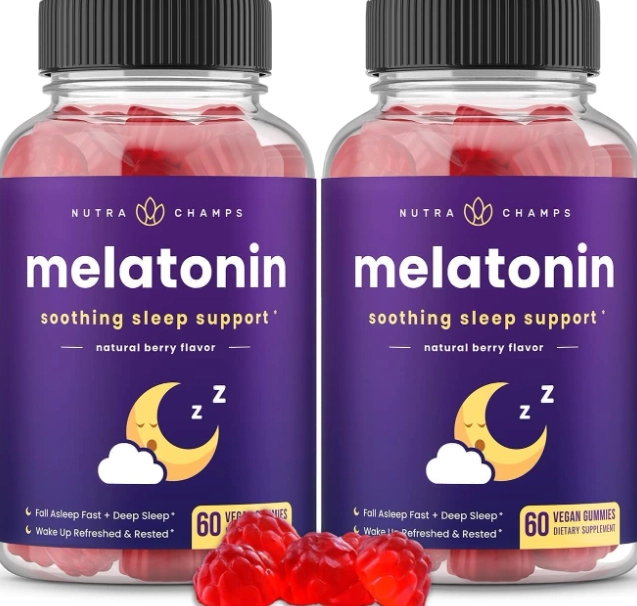
Mistake #1: Treating them like an on/off switch. You can't drink a double espresso, scroll through stressful news, and then take a supplement expecting instant oblivion. Supplements support your body's natural wind-down process; they don't override a hyper-aroused nervous system. They work best within a 60-90 minute relaxing routine.
Mistake #2: Ignoring the dose-response curve. More is not better. With melatonin, high doses can cause weird dreams and next-day fog. With magnesium, too much can cause digestive upset. Start with the lowest studied effective dose and give it a week. Patience is required.
Mistake #3: Expecting a permanent crutch. The goal of using natural sleep aids shouldn't be lifelong dependency. They are a bridge. Use them consistently for 1-3 months to break the cycle of anxiety about sleep and to reinforce a healthy schedule. Then, try tapering off or using them only as needed (like before a stressful event).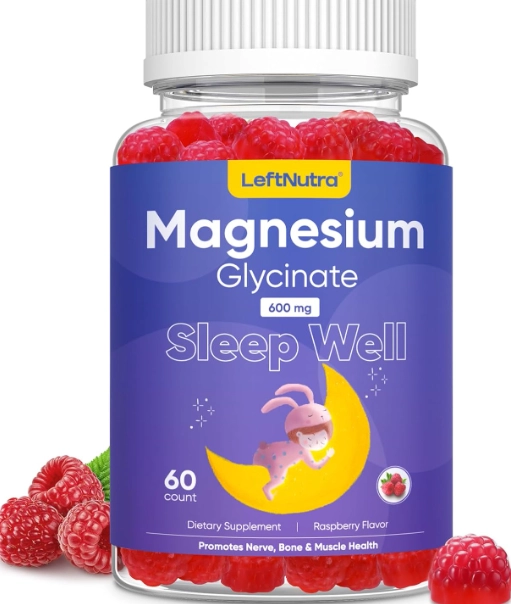
How to Choose the Right Supplement For Your Specific Sleep Issue
"Trouble sleeping" is too vague. You need to target your specific bottleneck. Let's match the tool to the problem.
| Your Main Sleep Struggle | Primary Supplements to Consider | How to Think About It |
|---|---|---|
| "My mind won't shut off" Anxiety, racing thoughts, replaying the day. |
L-Theanine, Magnesium Glycinate, Apigenin (from chamomile). | You need nervous system dampeners. L-theanine is your first line of defense. Combine with a magnesium glycinate for a calming one-two punch. |
| "I can't fall asleep" Lying awake for hours, delayed sleep phase. |
Low-dose Melatonin (0.3-1mg), Glycine, Magnesium. | Your timing is off. Use low-dose melatonin strictly to advance your bedtime. Glycine helps with the physical "cool down" feeling. |
| "I wake up constantly" Light, restless sleep, frequent awakenings. |
Glycine, Magnesium, potentially Glycine + Magnesium combo. | You need help maintaining sleep depth and temperature regulation. Glycine shines here. Avoid high-dose melatonin which can disrupt sleep architecture. |
| "I wake up exhausted" Non-restorative sleep, morning grogginess. |
Magnesium (to improve sleep quality), avoid high-dose melatonin. Consider checking for sleep apnea. | Focus on supplements that improve sleep quality (deep sleep) over just induction. This is where magnesium's role in GABA function is key. If this persists, see a doctor. |
What to Do Beyond the Pill: The Non-Negotiables
No supplement can save you from terrible sleep habits. Think of these as the foundation, and supplements as the finishing touch.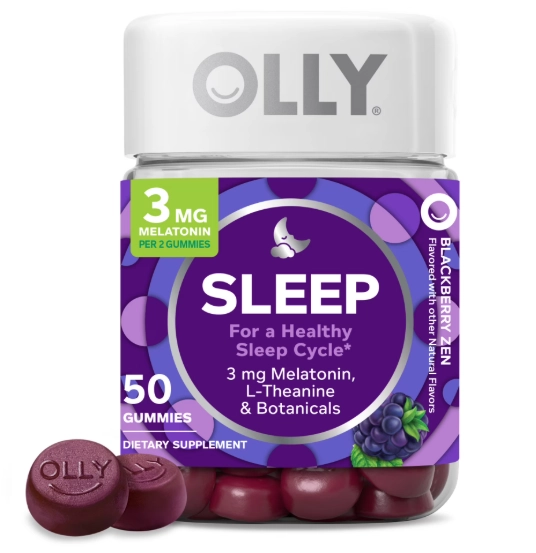
Light is your #1 regulator. Get bright light (preferably sunlight) in your eyes within 30 minutes of waking. This sets your circadian clock. Conversely, dim the lights and ditch screens 90 minutes before bed. Blue light blockers help, but they're not a license to binge-watch.
Your bed is for sleep (and sex). Not for work, not for doomscrolling, not for arguing with strangers on the internet. You're training your brain to associate the bed with wakeful activity. Break that association.
The wind-down ritual is mandatory. Your body needs a signal that the day is over. This could be 10 minutes of light stretching, reading a physical book (not a thriller!), a warm shower (the drop in body temperature afterwards promotes sleep), or a simple breathing exercise. I do five minutes of diaphragmatic breathing. It's boring. That's the point.
Your Top Sleep Supplement Questions, Answered
I've tried melatonin and it either doesn't work or gives me weird dreams. What now?
This is incredibly common and usually points to two issues: wrong dose or wrong application. You're likely taking too much. Ditch the 5mg+ pills and find a 0.5mg or 1mg lozenge. Second, melatonin is for timing, not sedation. If your issue is anxiety, melatonin won't touch it. Switch your focus to magnesium glycinate and L-theanine, which target the stress response directly.
Can I become dependent on natural sleep supplements like magnesium or glycine?
Physical dependency, like with prescription sleep meds, is highly unlikely with these nutrients. However, you can develop a psychological dependency—the belief that you "can't" sleep without them. This is why the bridge concept is vital. Use them to restore confidence and rhythm, then practice sleeping without them on low-stakes nights (e.g., weekends). Your body naturally produces or uses these compounds anyway; you're just giving it a supportive boost.
How long does it take for supplements like magnesium to work for sleep?
Don't expect night-one miracles. Unlike a drug that forces an effect, these aids support your biology. For minerals like magnesium, which may need to replenish bodily stores, it can take 1-2 weeks of consistent use to notice a significant difference in sleep quality. Judge it after a full month, not after two nights.
Are there any supplements that help with both sleep and morning energy?
This is the holy grail, and glycine is a strong candidate. The research I mentioned earlier specifically noted reduced daytime fatigue. By improving the depth and quality of sleep, you naturally wake up more refreshed. Magnesium can have a similar effect by supporting deeper sleep stages. The best "morning energy" supplement is actually a good night's sleep, so focus on quality over just knockout power.
What's the one thing most people completely overlook when trying sleep aids?
The placebo effect—and I mean that in a good way. The ritual of taking something, of actively investing in your sleep, reduces bedtime anxiety. That anxiety is often a bigger sleep blocker than any biochemical deficiency. So even if the supplement has a mild direct effect, the indirect effect of calming your "will I sleep tonight?" panic is massive. Choose a simple ritual, believe in the process, and let your biology do the rest.
Reader Comments