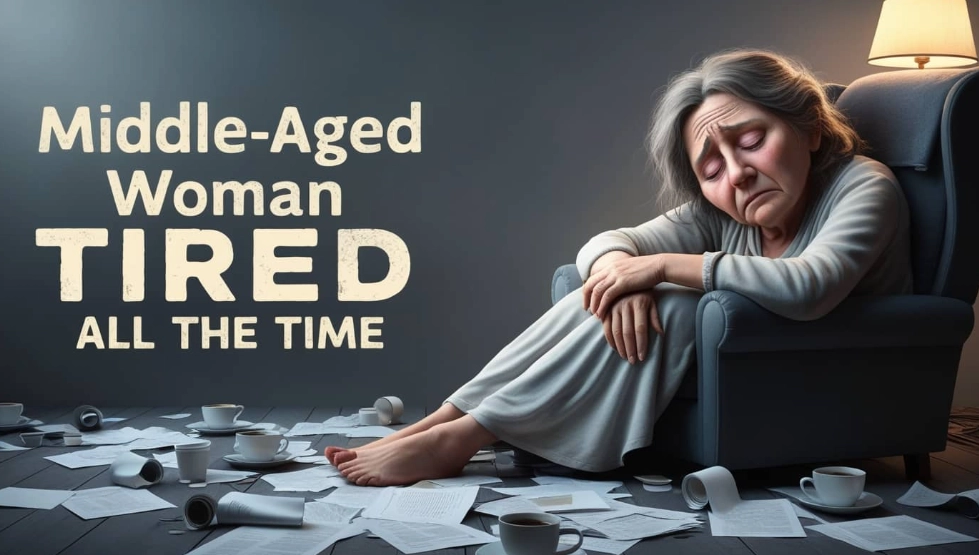
That bone-deep exhaustion that coffee can't touch. The feeling of dragging yourself through the day, even after a full night's sleep. If you're a woman asking "why am I always tired?" you're far from alone. Persistent fatigue is one of the most common complaints in doctors' offices, but the answer is rarely simple. It's not just about not sleeping enough. More often, it's a signal from your body that something is off-balance, whether it's a nutrient deficiency, a hormonal rollercoaster, or a stealthy health condition flying under the radar.
Let's cut through the noise. Telling someone who's chronically tired to "just get more sleep" is like telling someone with a flat tire to just drive faster. It misses the point entirely. The real work is in identifying which tire is flat and why. This guide will walk you through the top culprits, backed by medical understanding, and give you a clear action plan to move from exhausted to energized.
Quick Navigation: What's Draining Your Energy?
The Top 10 Causes of Fatigue in Women: A Quick-Reference Guide
Before we dive deep, here's a snapshot of the most frequent offenders. Think of this as your starting point for the investigation into your own energy levels.
| Cause Category | Specific Examples | Key Clues Beyond Tiredness |
|---|---|---|
| Nutritional Deficiencies | Iron Deficiency (Anemia), Vitamin B12 or D Deficiency, Inadequate Protein | Pale skin, brittle nails, shortness of breath, muscle weakness, cravings for ice. |
| Hormonal Imbalances | Thyroid Disorders (Hypothyroidism), Perimenopause/Menopause, Adrenal Dysfunction | Weight changes, feeling cold, irregular periods, hot flashes, mood swings. |
| Sleep Disorders | Sleep Apnea, Restless Legs Syndrome, Insomnia | Loud snoring, gasping at night, unrefreshing sleep, partner noticing you stop breathing. |
| Chronic Conditions | Autoimmune Diseases (e.g., Lupus, RA), Diabetes, Heart Disease | Joint pain, persistent thirst, frequent urination, chest discomfort, unexplained fevers. |
| Mental & Emotional Health | Chronic Stress, Anxiety, Depression, Burnout | Persistent worry, loss of interest, feelings of hopelessness, overwhelm, irritability. |
This table is just the headline. The devil, as they say, is in the details. A condition like hypothyroidism and iron deficiency can look strikingly similar from the outside. That's why understanding the nuances is critical.
Medical Conditions That Mimic "Just Being Tired"
This is where many women get stuck. They go to the doctor, basic blood work comes back "normal," and they're sent home with a shrug. But normal lab ranges aren't always optimal ranges, especially for women.
Iron Deficiency: It’s Not Just About Hemoglobin
This is a huge one, particularly for menstruating women. The standard blood test checks hemoglobin, which is the protein in red blood cells that carries oxygen. If your hemoglobin is low, you have anemia. But you can be iron deficient without being anemic. Your body can keep hemoglobin in the normal range by depleting its iron stores.
The test you need to ask for is ferritin. Ferritin measures your stored iron. Many labs have a normal range starting as low as 10-15 ng/mL, but for optimal energy, many functional medicine practitioners suggest women aim for a ferritin level of at least 50-70 ng/mL. I've seen clients with ferritin at 18 who were told they were "fine" but could barely get off the couch. Supplementing under a doctor's guidance changed everything for them.
Thyroid Issues: The Master Energy Regulator
Your thyroid gland sets your metabolic pace. When it's underactive (hypothyroidism), everything slows down. Fatigue is the hallmark symptom. But here's the catch: the standard screening test, TSH (Thyroid Stimulating Hormone), has a broad reference range. A TSH of 4.5 might be considered "normal" by some labs, but many women don't feel their best until it's closer to 2.0 or below.
Furthermore, you can have autoimmune thyroid disease (Hashimoto's) with "normal" TSH for years before it finally tips over into full-blown hypothyroidism. Asking for Thyroid Peroxidase Antibodies (TPOAb) and Thyroglobulin Antibodies (TgAb) tests can reveal this autoimmune activity early, when dietary and lifestyle interventions might be most impactful.
Sleep Apnea: It’s Not Just for Overweight Men
The stereotype of sleep apnea is a loud-snoring, overweight man. This stereotype causes it to be massively underdiagnosed in women. Women often have subtler symptoms: maybe they don't snore loudly, but they wake up frequently, have morning headaches, or experience insomnia. The constant micro-awakenings throughout the night prevent deep, restorative sleep, leading to crushing daytime fatigue.
If your partner says you gasp or choke at night, or if you never feel rested no matter how long you sleep, a sleep study is a non-negotiable next step. The American Academy of Sleep Medicine provides resources on this often-missed condition.
The Hidden Lifestyle & Hormonal Factors
Sometimes it's not a single disease, but a perfect storm of smaller drains on your system.
Perimenopause and Menopause: The fluctuation and eventual decline of estrogen and progesterone can directly disrupt sleep (hello, night sweats and 3 a.m. wake-ups) and alter how your body produces energy at a cellular level. The fatigue here is real and physiological, not "all in your head."
The Blood Sugar Rollercoaster: Skipping breakfast, having a sugary coffee, crashing by 11 a.m., grabbing a carb-heavy lunch, crashing again at 3 p.m. This cycle is a massive energy drain. Each spike and crash in blood glucose stresses your adrenal glands and leaves you feeling wiped out. Protein and fiber at every meal are your best allies here.
Adrenal Dysfunction (or HPA Axis Dysregulation): This is often misunderstood. It's not necessarily that your adrenal glands are "fatigued." It's that your brain's stress-response system (the hypothalamic-pituitary-adrenal axis) is stuck in a chronic state of alert due to prolonged physical or emotional stress. The result? Your cortisol rhythm gets flipped—low in the morning when you need it to get up, and high at night when you need to wind down. You're tired but wired.
Let me be clear about this. You can't supplement your way out of adrenal issues if you're still burning the candle at both ends. The primary treatment is stress modulation and rhythm restoration—consistent sleep times, balanced meals, and practices that activate your parasympathetic (rest-and-digest) nervous system.
How to Find Out What’s Causing Your Fatigue: Your Action Plan
Feeling overwhelmed? Don't be. Think like a detective. Start a "fatigue journal" for two weeks. Note:
- Your energy levels at different times of day.
- Sleep quality and duration.
- What and when you eat.
- Your menstrual cycle phase.
- Stress levels.
This data is gold. It shows patterns. Then, take it to your doctor. Be specific. Don't just say "I'm tired." Say: "I've been experiencing profound fatigue for three months. I sleep 8 hours but wake up unrefreshed. I've also noticed increased hair loss and feel cold all the time. Based on my journal and these symptoms, I'd like to explore checking my ferritin, a full thyroid panel including antibodies, and Vitamin D levels."
This shifts the conversation from a vague complaint to a collaborative investigation. Be prepared to advocate for yourself. If one doctor dismisses you, find another who will listen. A good internist, endocrinologist, or a doctor specializing in women's health or functional medicine can be great partners.
Your Fatigue Questions, Answered
I've had all the standard blood tests and everything is "normal," but I'm still exhausted. What should I do next?
My doctor diagnosed me with anxiety/depression and prescribed medication, but the fatigue didn't go away. Why?
 I'm in perimenopause and my fatigue is crippling. Is this just something I have to live with?
Can too much exercise make fatigue worse?
The journey from constant fatigue to sustained energy is often a process of elimination and discovery. It requires patience and self-advocacy. Start with the most common, treatable causes. Track your symptoms. Partner with a proactive doctor. Address the layers one by one—nutrition, sleep, stress, hormones. Your energy is your most precious resource. Investing the time to find the root cause isn't a luxury; it's the foundation for everything else you want to do and be.
Reader Comments