You're tired of feeling tired. You go to bed, but your mind races. You wake up at 3 AM for no reason. The alarm feels like a personal attack. You've probably googled "how can I boost my sleep" a dozen times, only to find the same generic advice: avoid caffeine, have a routine, don't look at screens. It's not wrong, but it's not the whole story either. After years of wrestling with my own sleep and helping others, I've found the real game-changers aren't always the most obvious ones. Boosting your sleep isn't about one magic trick; it's about stacking a series of small, deliberate actions that tell your brain and body it's safe to shut down. Let's skip the fluff and get into what actually moves the needle.
In This Guide: Your Sleep Upgrade Roadmap
Master Your Sleep Environment: The 3 Non-Negotiables
Think of your bedroom as a cave designed for hibernation. Most people get this wrong by focusing on a fancy mattress first. The mattress matters, but it's the third priority. Here's the order that actually works.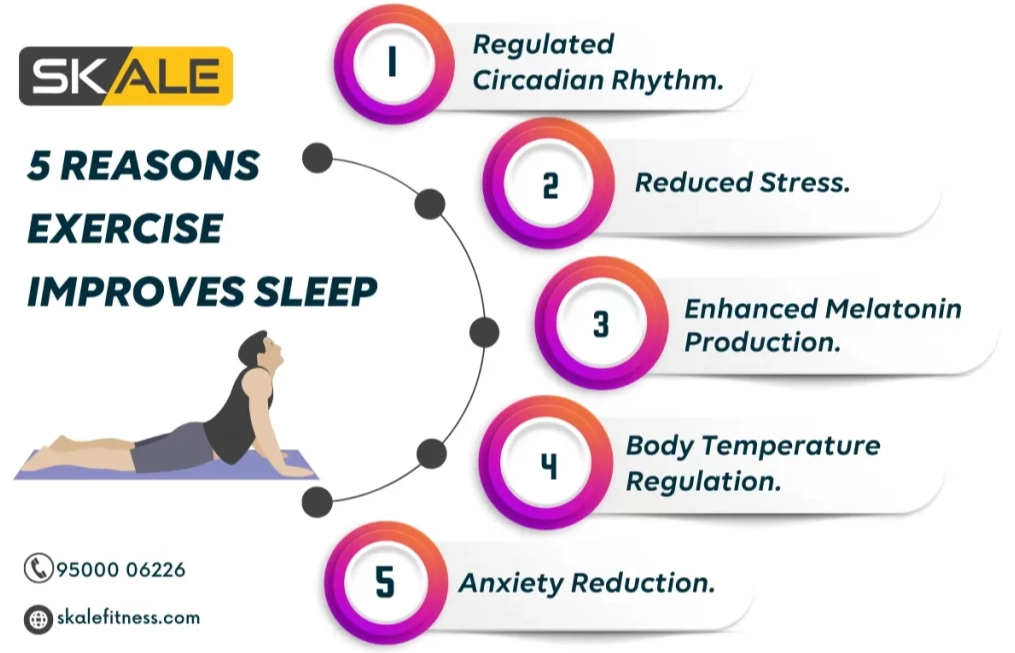
1. Darkness: It Needs to Be Pitch Black
I mean really dark. Not "I can see the shape of the door" dark. Even tiny amounts of light from a charger LED, a streetlamp, or a digital clock can disrupt your melatonin production and sleep architecture. Your eyelids are thin. My turning point was investing in blackout curtains and applying electrical tape over every single LED in the room. The difference was not subtle. If you can't do that, a high-quality sleep mask that doesn't press on your eyes is a must. Don't underestimate this.
2. Coolness: The Goldilocks Temperature
Your core body temperature needs to drop to initiate and maintain sleep. The ideal room temperature for most people is between 60-67°F (15.5-19.5°C). This isn't just comfort; it's a biological trigger. If you're waking up sweating or kicking off the covers, your room is too warm. A fan helps twofold: it cools the air and provides consistent white noise. Consider moisture-wicking bedding if you tend to sleep hot.
3. Quiet & Your Mattress
Sudden noises are sleep killers. Consistent white noise (like a fan, a dedicated white noise machine, or a simple app) can mask disruptive sounds. Now, for the mattress. You don't need the most expensive one. You need one that keeps your spine in a neutral alignment. A medium-firm mattress is usually best for back and stomach sleepers, while side sleepers often need a bit more cushion for the hips and shoulders. The key is to replace it every 7-10 years. That sag you've gotten used to is hurting your sleep.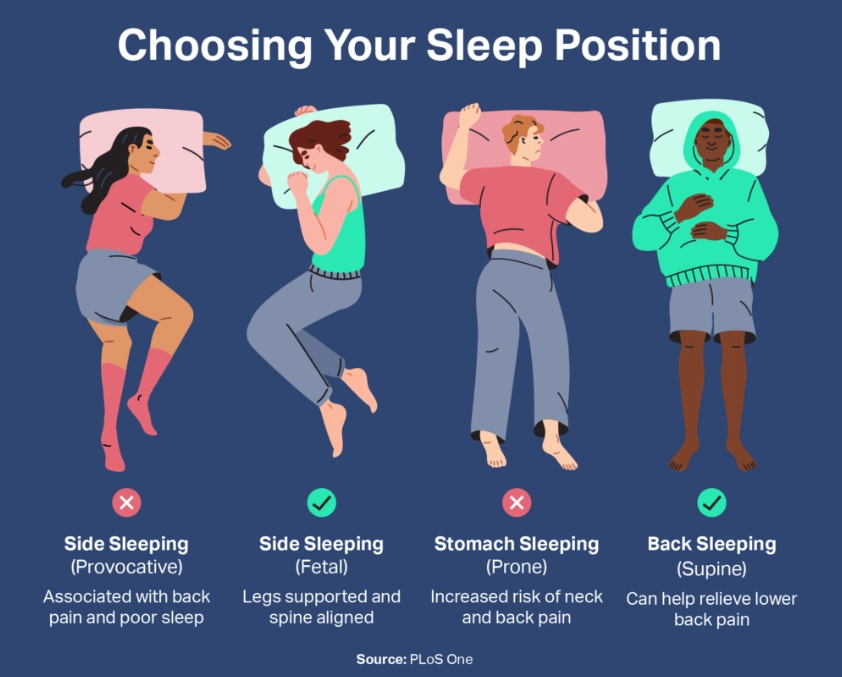
Craft Your Wind-Down Ritual (It's Not What You Think)
A "wind-down" isn't just scrolling in bed until you feel drowsy. That's a surefire way to train your brain that bed is for anxiety and entertainment. Your ritual should be a predictable, screen-free buffer zone that signals the transition from day to night.
The 60-Minute Pre-Bed Buffer: Start this one hour before your target sleep time. No exceptions.
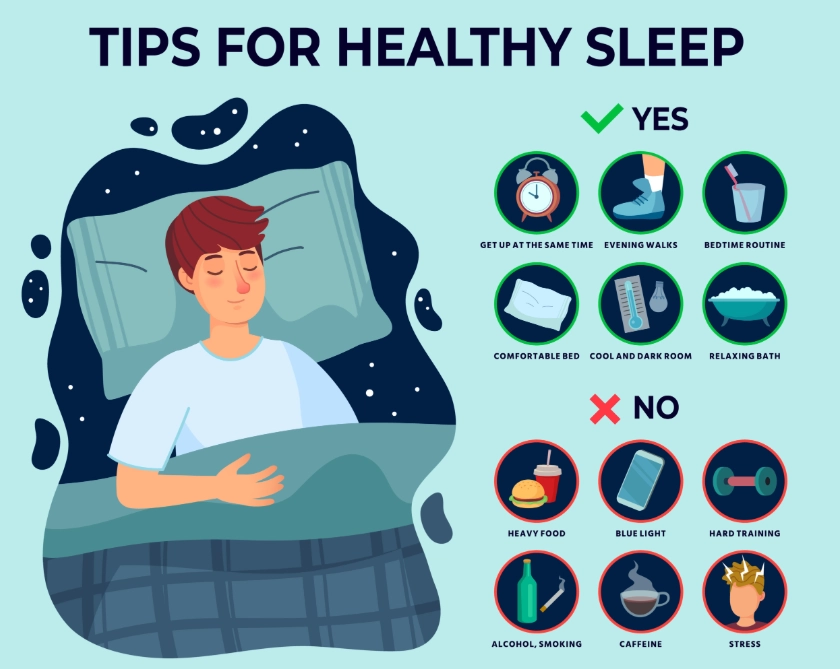
- Minute 0-30: Power down all screens. The blue light is part of the problem, but the bigger issue is the cognitive and emotional engagement. A stressful email or an exciting show both activate your brain. Instead, try dim, warm lighting. I use smart bulbs set to a deep orange after sunset.
- Minute 30-45: Engage in a calming, non-stimulating activity. This is where people mess up. "Reading" often means a thrilling novel. Choose something boring. I'm serious. A physical book (not a tablet) on a topic you find mildly interesting but not gripping. Journaling is excellent—dump your worries onto paper so they're not in your head. Gentle stretching or foam rolling, not intense yoga.
- Minute 45-60: Prep for bed and the next day. Brush your teeth, wash your face, set out your clothes for tomorrow. This simple act reduces morning decision fatigue and subconsciously closes the loop on the day.
Daytime Habits for Nighttime Success
Sleep isn't a separate part of your day. What you do from the moment you wake up sets the stage for the night. This is the most overlooked area.
Morning Light: Your Most Powerful Reset Button
Within 30-60 minutes of waking, get 10-15 minutes of bright, outdoor light in your eyes (without staring at the sun). This isn't about vitamin D; it's about resetting your master circadian clock. It tells your brain, "The day has started," which sets a timer for melatonin release roughly 14-16 hours later. On cloudy days, you might need 20-30 minutes. This single habit did more for my sleep consistency than anything else.
Exercise, But Time It Right
Regular exercise is fantastic for sleep depth and duration. However, timing matters. Intense exercise too close to bedtime can be stimulating for some people due to the release of adrenaline and core body temperature increase. A good rule of thumb: finish vigorous workouts at least 3 hours before bed. Gentle movement like an evening walk can be beneficial.
Caffeine & Alcohol: The Deceptive Saboteurs
You know about afternoon coffee. But caffeine's half-life is about 5-6 hours. If you have a coffee at 3 PM, at 9 PM, half that caffeine is still in your system. I set a hard cutoff at noon. Alcohol is trickier. It makes you feel drowsy and may help you fall asleep faster, but it absolutely wrecks the second half of your night. It suppresses REM sleep, causes fragmented sleep, and often leads to early morning awakening. Relying on a nightcap is a bad trade.
| Daytime Habit | What to Do | Why It Works |
|---|---|---|
| Morning Light Exposure | 10-15 min outside within 1 hour of waking. | Resets circadian rhythm, boosts daytime alertness, promotes earlier melatonin release. |
| Caffeine Cutoff | Stop all caffeine by 12 PM (or at least 8 hrs before bed). | Prevents adenosine receptor blockage, allowing natural sleep pressure to build. |
| Strategic Exercise | Finish intense workouts 3+ hours before bed. Gentle walks are fine later. | Raises body temperature earlier, allowing the necessary cool-down phase for sleep onset. |
| Hydration Balance | Drink most fluids earlier in the day, taper off 1-2 hours before bed. | Reduces likelihood of disruptive nighttime trips to the bathroom. |
When Good Habits Aren't Enough: Time to Seek Help?
If you've consistently worked on your sleep environment, wind-down routine, and daytime habits for a month and still struggle, it's time to look deeper. This isn't a failure; it's smart troubleshooting.
Consider a Sleep Study: Conditions like sleep apnea are wildly underdiagnosed. The hallmark is loud snoring, gasping, or pauses in breathing witnessed by a partner, but you can have it without snoring. The resulting oxygen drops fragment your sleep all night, leaving you exhausted no matter how long you're in bed. A home sleep test or in-lab study can diagnose this.
Cognitive Behavioral Therapy for Insomnia (CBT-I): This is the gold-standard, first-line treatment for chronic insomnia, recommended by organizations like the American College of Physicians. It's not just talk therapy; it's a structured program that combines the behavioral strategies we've discussed (stimulus control, sleep restriction) with cognitive techniques to address the anxiety and racing thoughts about sleep. You can find certified therapists or even use FDA-cleared digital CBT-I programs like Sleepio (based on research from the University of Oxford) or Somryst.
Sometimes, the issue is an underlying condition like restless legs syndrome, anxiety, or thyroid problems. A conversation with your doctor is crucial.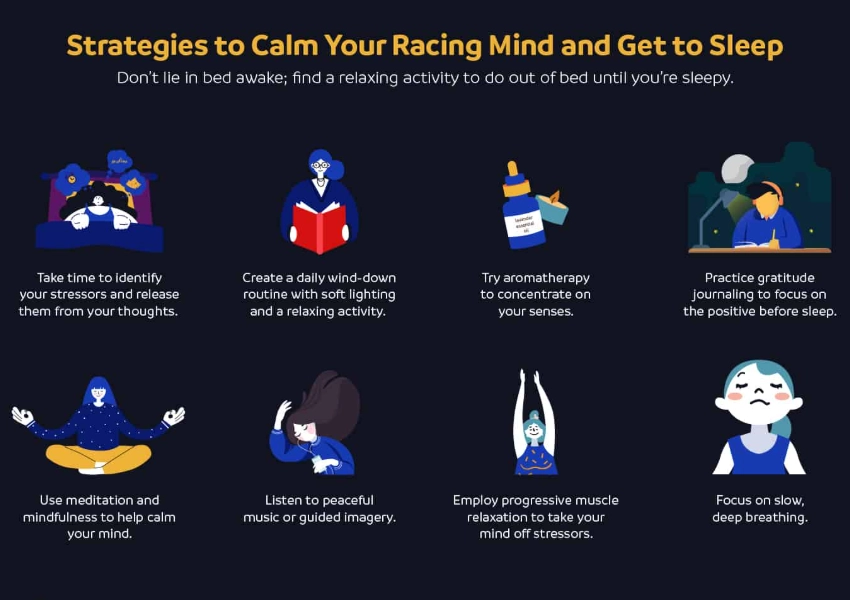
Your Top Sleep Questions, Answered
 What's the one most underrated tip for improving sleep quality that nobody talks about?
Boosting your sleep is a skill. It takes practice, consistency, and a willingness to experiment to find what works for your unique biology and life. Start with one change from each section—maybe darkness in the bedroom, a 60-minute screen curfew, and morning light. Build from there. The goal isn't perfection; it's progress. When you stop fighting your sleep and start working with your body's natural rhythms, the rest tends to follow.
Reader Comments