Let's be honest. You've probably tried a dozen things for your insomnia. Warm milk, melatonin supplements, counting sheep, apps with soothing sounds. Maybe they helped for a night or two, but that relentless cycle of staring at the ceiling returned. The search for a permanent insomnia cure feels endless because most advice treats the symptom—the sleeplessness—not the underlying engine driving it.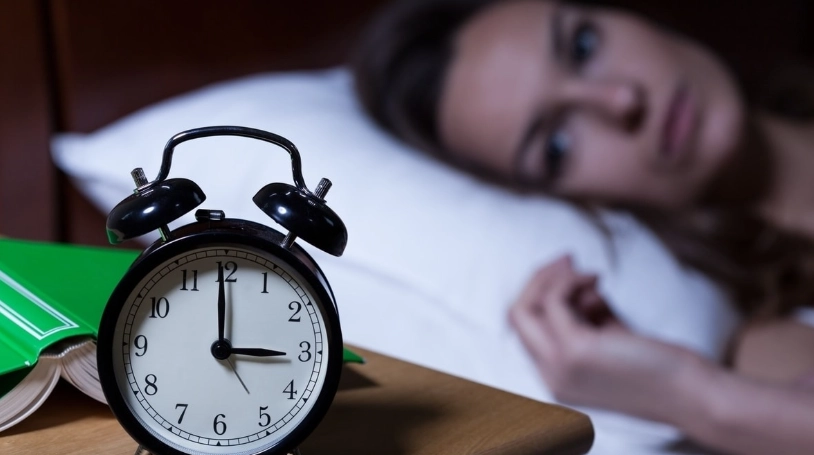
Permanently curing insomnia isn't about finding one magic pill. It's about systematically dismantling the bad habits and anxious thoughts that have wired your brain for wakefulness. I've worked with countless people stuck in this loop, and the turning point always comes when they stop chasing sleep and start rebuilding it.
What's Inside This Guide?
- The Real Reason Quick Fixes Fail
- Step 1: Reset Your Sleep Drive (This Feels Counterintuitive)
- Step 2: Rewire Your Bedroom Brain Association
- Step 3: Master the 90-Minute Wind-Down
- Step 4: Tackle the Nighttime Anxiety Loop
- When DIY Isn't Enough: Getting Professional Help
- Your Insomnia Cure Questions, Answered
The Real Reason Quick Fixes Fail (And What Actually Works)
Chronic insomnia is a self-sustaining condition. The initial cause—stress, pain, a new baby—often fades, but the insomnia sticks around because of the conditioned arousal you've developed. Your bed, your bedroom, even the act of trying to sleep, have become cues for anxiety and alertness. It's a classic Pavlovian response, but you're the dog being conditioned to stay awake.
The Big Mistake Everyone Makes: Trying to force sleep. Lying in bed for hours "trying" teaches your brain that the bed is a place of frustration and failure. The single most important shift is to stop trying to sleep and start building the conditions for sleep to occur naturally.
The gold-standard, evidence-based approach for a permanent solution is Cognitive Behavioral Therapy for Insomnia (CBT-I). Studies from sources like the American Academy of Sleep Medicine consistently show it's more effective than sleep medication in the long term. The steps below are adapted from CBT-I principles, broken down into an actionable plan.
Step 1: Reset Your Sleep Drive (This Feels Counterintuitive)
Your sleep drive, or sleep pressure, is your body's natural need for sleep. It builds up the longer you're awake. In insomnia, this system is broken. We spend too much time in bed not sleeping, which dilutes the drive.
Sleep Restriction Therapy is the fix. It sounds harsh, but it's the fastest way to rebuild a strong sleep drive.
How to Calculate Your Sleep Window
Don't guess. For one week, keep a simple sleep log. Note the time you get into bed, your estimated sleep time, wake-up time, and total sleep time. Be honest.
Now, take your average total sleep time (not time in bed). Add 30 minutes. This is your initial sleep window. For example, if you average 5.5 hours of sleep, your window is 6 hours.
Example Schedule: If you need to wake up at 6:30 AM and your sleep window is 6 hours, your bedtime is 12:30 AM. You go to bed at 12:30 AM, get up at 6:30 AM, no naps. Yes, you'll be tired at first. That's the point. It consolidates sleep.
Stick to this schedule rigidly for a week. When your sleep efficiency (time asleep/time in bed) hits 85-90%, you can increase your window by 15 minutes every few days. This method is brutal for the first 5-7 days, but I've seen it create more change in two weeks than people had in two years of struggling.
Step 2: Rewire Your Bedroom Brain Association
Your bedroom should scream one thing: SLEEP. For many with insomnia, it screams worry, work, TV, and phone scrolling.
The rule is simple: The bed is only for sleep and intimacy. No reading, no watching TV, no eating, no working, no worrying. If you can't sleep after 20 minutes, get out of bed. Go to another room. Do something boring in dim light until you feel sleepy, then return to bed. This is called stimulus control, and it's non-negotiable.
It breaks the association that bed equals frustration.
Also, audit your environment:
- Darkness: Can you see your hand in front of your face? If yes, it's too bright. Blackout curtains or a good sleep mask are investments, not luxuries.
- Coolness: Aim for around 65°F (18°C). A drop in core temperature is a key sleep signal.
- Quiet: Use white noise or earplugs to mask unpredictable sounds.
Step 3: Master the 90-Minute Wind-Down
You can't sprint and then immediately slam on the brakes. Your nervous system needs a gradual transition. Start your wind-down 90 minutes before your scheduled bedtime.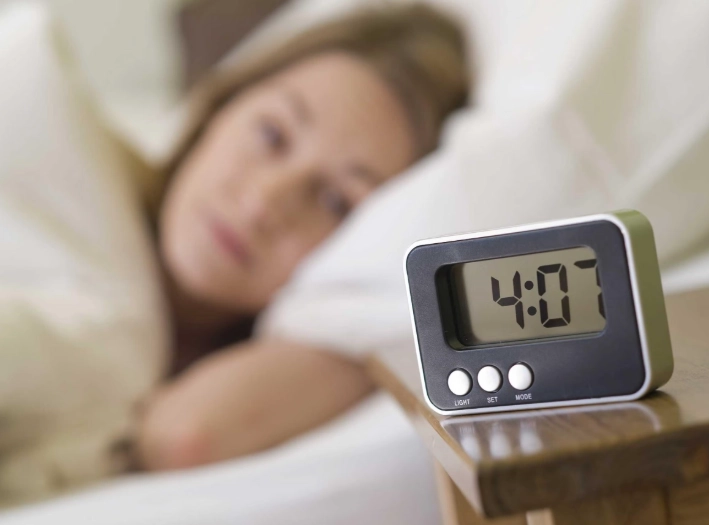
| Time Before Bed | Do This | Avoid This |
|---|---|---|
| 90-60 minutes | Dim overhead lights. Start a relaxing ritual (gentle stretching, listening to calm music). | Strenuous exercise. Work emails. Heated discussions. |
| 60-30 minutes | Power down screens. If you must read, use a physical book or an e-ink reader without a backlight. | Scrolling social media, watching exciting/thrilling TV. |
| 30-0 minutes | Final preparation (brush teeth, skincare). Practice a brief mindfulness or breathing exercise in a chair, not in bed. | Checking the clock. Planning tomorrow's to-do list in detail. |
The blue light from screens is a problem, but the bigger issue is the mental stimulation. Scrolling through news or social media activates your mind and emotions, putting you on high alert.
Step 4: Tackle the Nighttime Anxiety Loop
This is the cognitive part of CBT-I. The thoughts that race at 3 AM—"I'll be a wreck tomorrow," "Why can't I sleep?", "What's wrong with me?"—fuel the insomnia fire.
You need tools to disarm them.
- Schedule Worry Time: Give yourself 15 minutes in the early evening to write down all your worries and potential solutions. When a worry pops up at night, tell yourself, "I've already addressed that during my worry time."
- Reframe the Thoughts: Instead of "I need 8 hours or I'll fail," try "My body can handle one short night. I'll focus on resting even if I'm not sleeping." Rest is still beneficial.
- The 4-7-8 Breathing Technique: When anxiety hits, breathe in for 4 seconds, hold for 7, exhale slowly for 8. Repeat 4 times. This physically calms your nervous system.
One client of mine called her 3 AM anxiety "The Committee." She started mentally telling The Committee, "Your meeting is adjourned until 5 PM tomorrow." It sounds silly, but it gave her a psychological edge.
When DIY Isn't Enough: Getting Professional Help
If you've tried these steps diligently for a month with little progress, or if your insomnia is causing severe daytime distress, seek a professional. Look for a therapist specializing in CBT-I or a sleep medicine physician.
A professional can tailor the sleep restriction plan more safely, address deeper anxiety or trauma, and rule out other sleep disorders like sleep apnea or restless legs syndrome, which mimic insomnia. The Sleep Foundation website is a good resource for finding accredited specialists.
Your Insomnia Cure Questions, Answered
The path to curing insomnia permanently isn't a secret. It's a disciplined, sometimes uncomfortable, rewiring project. It asks you to trust the process more than your middle-of-the-night fears. Start with one step—the sleep log. Get the data. Then build your schedule. Your bed is waiting to become a place of peace again.
Reader Comments