You're staring at the ceiling at 2 AM, mind racing. You've tried counting sheep, deep breathing, maybe even a boring podcast. Nothing works. Then you remember someone mentioning certain foods that make you sleepy. But does that actually work, or is it just an old wives' tale?
Here's the truth, backed by science: yes, specific foods can genuinely nudge your brain and body toward sleep. But it's not magic. It's about specific nutrients—tryptophan, melatonin, magnesium, and complex carbs—working with your body's natural chemistry. The "best" food isn't one single item; it's a strategic combination eaten at the right time.
I've spent years digging into sleep research and testing this stuff myself. The biggest mistake people make? Grabbing a giant, sugary snack right before bed, thinking it'll knock them out. It might make you crash initially, but the blood sugar rollercoaster often leads to a wake-up call a few hours later. Let's get into what actually works.
Your Quick Guide to Sleepy Foods
How Food Actually Makes You Sleepy: The Simple Science
Forget complex biochemistry. Think of it as your body needing specific raw materials to build sleep hormones. The main player is serotonin, a neurotransmitter that calms you, and its nighttime derivative, melatonin, the "sleep hormone."
Tryptophan is the essential amino acid your body uses to make serotonin. It's famous for being in turkey, which is why you feel dozy after Thanksgiving dinner. But here's the key part most articles miss: tryptophan has to compete with other amino acids to get into your brain. Eating it alone with a big protein meal isn't the most efficient way.
The trick? Pair tryptophan-rich foods with complex carbohydrates. Carbs trigger insulin, which clears those competing amino acids from your bloodstream, giving tryptophan a clear path to your brain. That's why whole-grain toast with a little almond butter works better than just a handful of almonds.
Other nutrients are direct helpers: Magnesium relaxes muscles and calms the nervous system. Calcium helps the brain use tryptophan. Certain foods, like tart cherries and walnuts, contain trace amounts of natural melatonin itself.
The Top Sleep-Inducing Foods (Backed by Research)
This isn't a random list. These foods have either clinical studies or strong mechanistic evidence behind them. I've ranked them by a combination of effectiveness, practicality, and scientific support.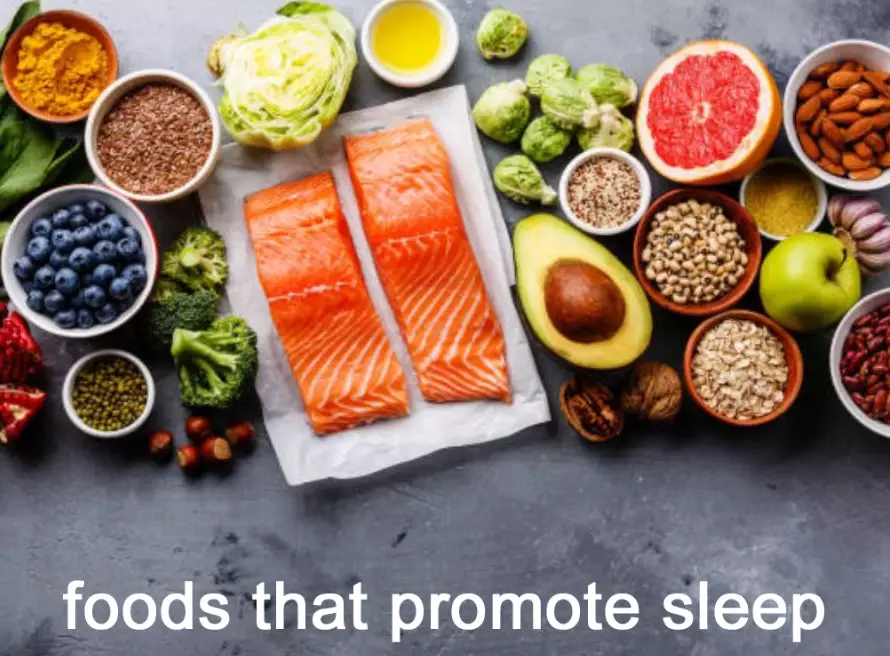
| Food | Key Sleep-Promoting Nutrients | How It Helps & Best Way to Eat | Research Note |
|---|---|---|---|
| Tart Cherry Juice | Natural melatonin, antioxidants | One of the few foods with direct, measurable melatonin. Drink a small glass (4-8 oz) about 30-60 minutes before bed. Opt for unsweetened or concentrate diluted in water. | A study in the Journal of Medicinal Food found it increased sleep time and efficiency in adults with insomnia. |
| Kiwi | Serotonin, antioxidants (vitamin C, carotenoids), folate | Eat 1-2 kiwifruits one hour before bed. The high serotonin content is believed to be a major factor. It's also easy to digest. | Research from Taipei Medical University showed participants fell asleep 42% faster after eating two kiwis nightly for four weeks. |
| Fatty Fish (Salmon, Tuna) | Vitamin D, Omega-3 fatty acids, tryptophan | Best eaten as part of your dinner, not a late snack. The combo of vitamin D and omega-3s is linked to better sleep quality and higher melatonin production. | A study in the Journal of Clinical Sleep Medicine linked higher fish consumption to better sleep scores. |
| Almonds & Walnuts | Magnesium, melatonin (walnuts), tryptophan | A small handful (about 1 oz or 23 almonds/14 walnut halves) is perfect. Almonds are a magnesium powerhouse. Walnuts contain their own melatonin. | While human trials are limited, the nutrient profile is strongly supportive. Magnesium deficiency is linked to poor sleep. |
| Complex Carbs (Oats, Whole Grain Bread) | Complex carbohydrates | The essential partner. A small bowl of unsweetened oatmeal or a slice of whole-wheat toast provides the carbs to shuttle tryptophan to your brain. | The mechanism (carbs increasing tryptophan availability) is well-established in nutritional science. |
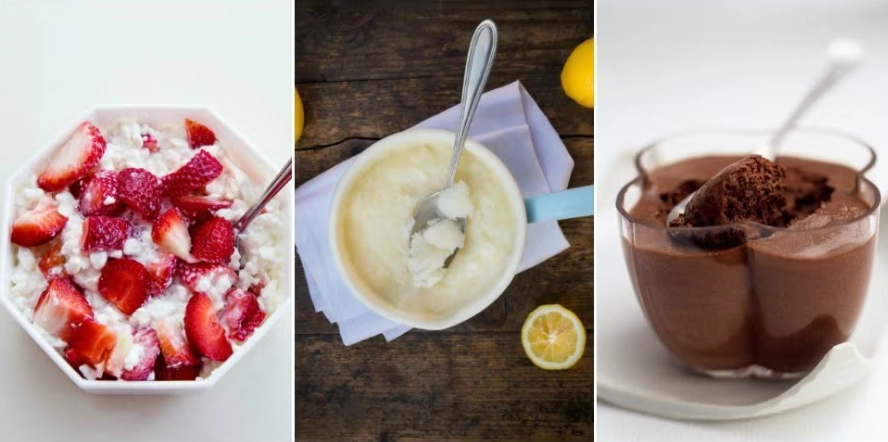
| Dairy (Milk, Yogurt) | Tryptophan, calcium | The classic warm milk remedy has merit. Calcium aids tryptophan conversion. Warmth is comforting. Choose plain Greek yogurt or warm milk with a dash of honey. | More traditional than heavily studied in modern trials, but the calcium-tryptophan synergy is sound in theory. |
From my own experience, tart cherry juice was a game-changer. I was skeptical, but after a week of drinking a small glass around 9 PM, I noticed I wasn't tossing and turning as much to initially fall asleep. The key is consistency and getting the unsweetened kind—the sugary stuff is counterproductive.
Your Practical Bedtime Snack Guide: How to Eat for Sleep
Knowing the foods is half the battle. The other half is execution. Here’s how to build an effective sleep-promoting snack.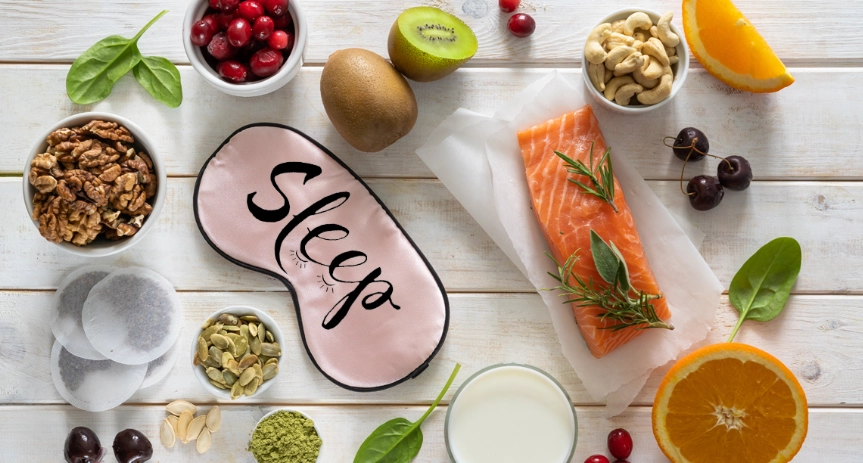
Timing is Everything
Eat your snack 45 to 60 minutes before you plan to sleep. This gives your body time to start the digestive and metabolic processes without you lying down with a full stomach, which can cause reflux.
The Perfect Sleep-Snack Formula
Aim for a combination of a complex carb and a small amount of protein (containing tryptophan) or a food with inherent sleep properties. Keep it small—around 150-200 calories max. A large meal too close to bed forces your body to digest instead of rest.
Try these combos:
- Whole-wheat toast with a thin spread of almond butter. (Carb + tryptophan/magnesium)
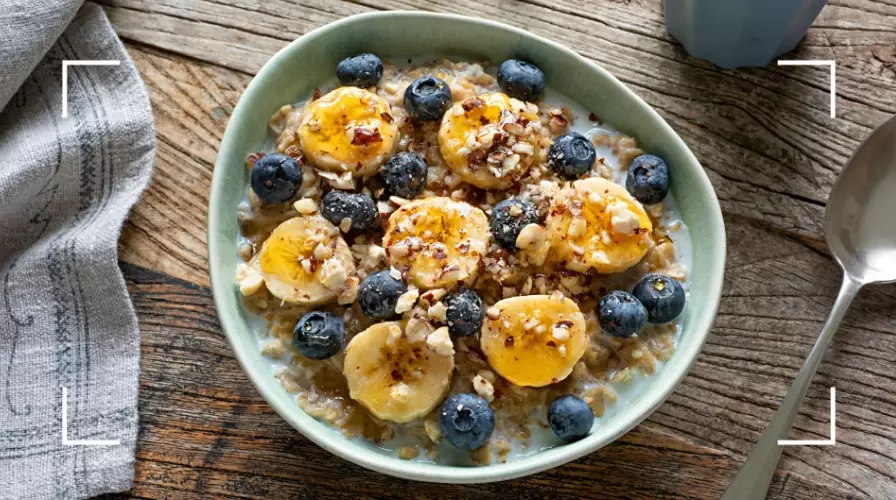
- A small bowl of plain oatmeal with a few walnut pieces. (Carb + melatonin)
- Half a banana with a tablespoon of peanut butter. (Bananas have magnesium and potassium; peanut butter has tryptophan)
- A small serving of plain Greek yogurt with a teaspoon of honey. (Tryptophan/calcium + a tiny bit of natural sugar to aid uptake)
Watch the sugar. This is the most common pitfall. Honey in your tea or milk is okay in a tiny amount (it can slightly boost insulin to help tryptophan), but avoid cookies, candy, or sugary cereals. The initial spike and crash will disrupt your sleep cycle.
What to Steer Clear Of: Foods That Sabotage Sleep
Just as some foods help, others are like throwing a party in your nervous system right before bedtime.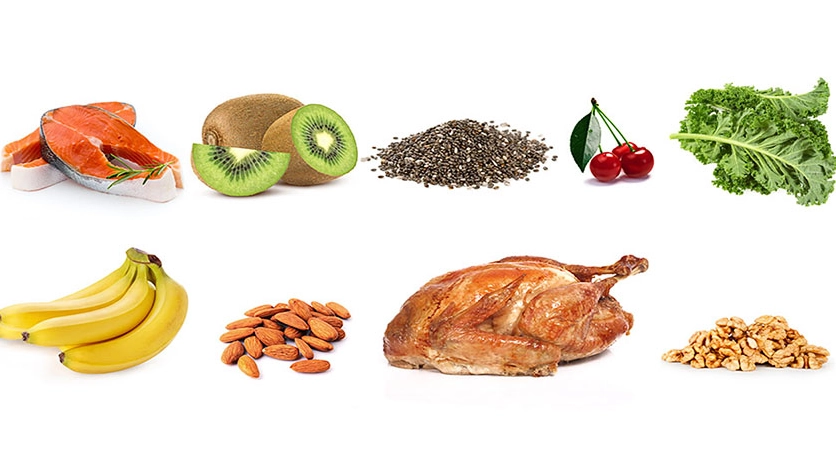
Caffeine is obvious, but remember it's not just in coffee. Dark chocolate, some teas, and even some medications have it. Its half-life is about 5-6 hours, so that 4 PM latte could still be affecting you at 10 PM.
Alcohol. This is a big one. Yes, a nightcap might make you feel drowsy initially, but alcohol severely disrupts the second half of your sleep cycle, particularly REM sleep. You might fall asleep fast but wake up feeling unrefreshed. According to the National Sleep Foundation, it's one of the most common yet misunderstood sleep disruptors.
Heavy, fatty, or spicy foods. These are hard to digest and can cause discomfort, heartburn, or acid reflux when you lie down. Save the giant steak or spicy curry for lunch.
High-sodium foods. Salty chips or processed foods can make you thirsty, leading to water intake and subsequent middle-of-the-night bathroom trips.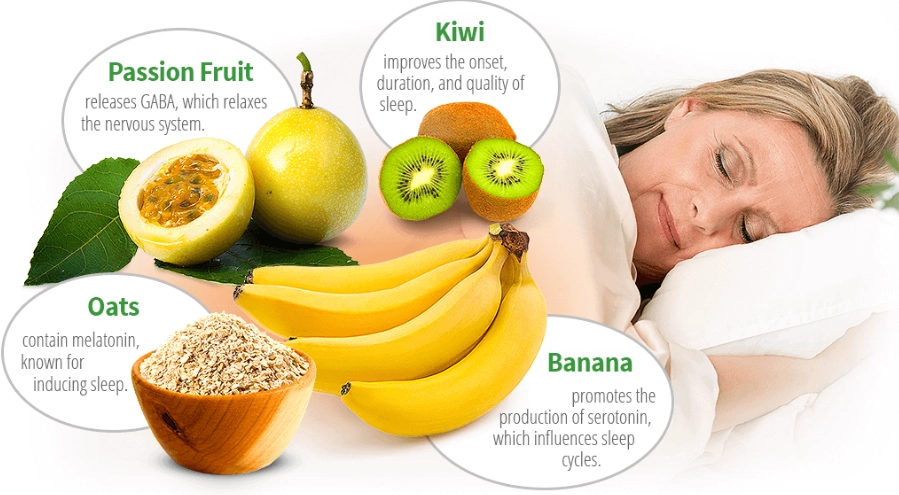
Your Sleep & Food Questions, Answered
 I tried warm milk and it didn't work. Why?
 The best food to make you sleepy isn't a single magic bullet. It's about strategic, nutrient-dense choices that support your body's sleep chemistry. Start with one simple change—maybe swapping your late-night ice cream for a bowl of oatmeal with walnuts, or having a glass of tart cherry juice. Pay attention to how you feel in the morning. Combine this with good sleep hygiene—a dark, cool room, and putting away screens—and you might just find yourself drifting off before you even finish counting those sheep.
Reader Comments