Let's be honest. You've probably read a dozen articles telling you to "avoid screens before bed" and "keep a consistent schedule." You try, maybe for a night or two, but then life happens. A late work email, a compelling Netflix series, or just the sheer inability to switch your brain off. The advice feels simplistic, and your sleep schedule remains a mess. You're not alone. I spent years as a night owl trying to brute-force myself into being a morning person, failing repeatedly, until I understood it's not about willpower—it's about working with your biology. This guide is about the how to improve sleep cycle process in a way that's realistic, science-backed, and actually sticks.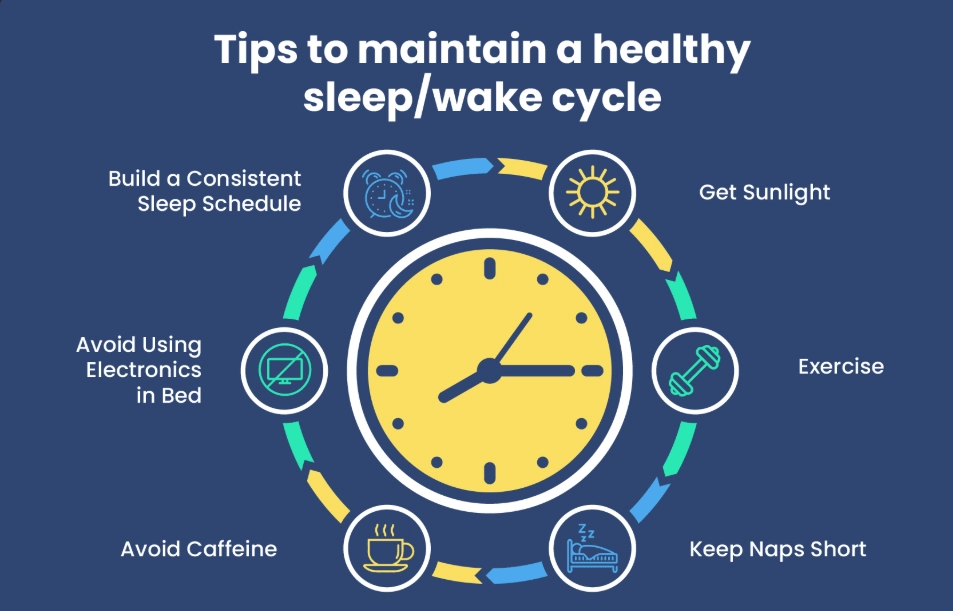
What You'll Find in This Guide
Understanding Your Internal Clock (It's Not Just You)
Your sleep cycle isn't a bad habit; it's physiology. It's governed by your circadian rhythm, a roughly 24-hour internal clock in your brain that responds primarily to light and darkness. Think of it as the conductor of an orchestra, telling your body when to release cortisol (for alertness) and melatonin (for sleepiness). When this conductor gets confused—by bright lights at night, irregular meal times, or inconsistent wake-ups—the whole system plays out of tune.
Here's the mistake most people make: they try to change their sleep time by hours in one night. Your circadian rhythm can only shift about 60-90 minutes per day. Trying to go from a 2 a.m. bedtime to 10 p.m. is like expecting to run a marathon without training. It leads to frustration and that awful feeling of lying in the dark, wide awake. The fix is gradual, strategic adjustment.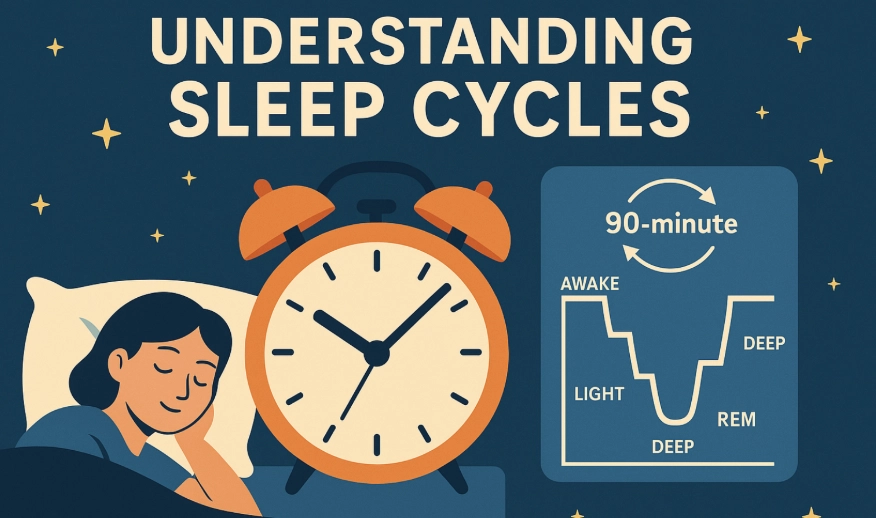
Personal Note: I used to blame myself for being "lazy" when I couldn't fall asleep early. It wasn't laziness. My clock was simply set to a different time zone because I was flooding my eyes with blue light until midnight and then wondering why my brain thought it was still afternoon.
Master Light Exposure: Your #1 Reset Tool
Light is the most powerful signal for your circadian rhythm. To fix your sleep schedule, you must become a maestro of light timing.
Morning Light: The Non-Negotiable Wake-Up Call
Within 30-60 minutes of your target wake-up time, get bright light. Sunlight is best (even on a cloudy day). Go outside for 10-15 minutes. No sunglasses. If it's pitch black out, consider a daylight-simulation lamp (10,000 lux) for 20-30 minutes. This morning light suppresses melatonin and tells your brain, "The day has started," which in turn sets the timer for melatonin release roughly 14-16 hours later.
Evening Darkness: Preparing the Stage for Sleep
As the sun sets, your brain expects darkness. We sabotage this with indoor lighting and screens. About 2-3 hours before bed: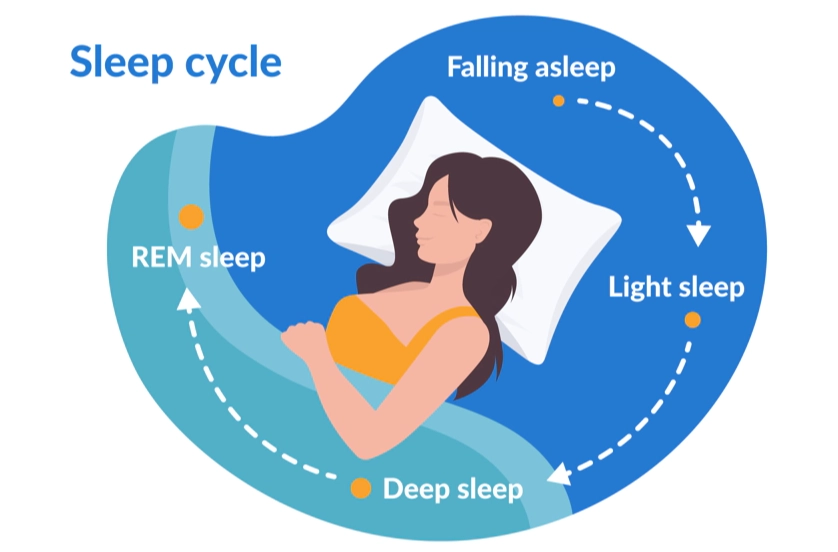
- Dim overhead lights. Use lamps instead.
- Enable "Night Shift" or "Blue Light Filter" on devices, but know this is a minor help. The bigger issue is the mental engagement.
- Consider amber-tinted glasses if you must be in a brightly lit environment or using screens late. They block the blue wavelengths that most disrupt melatonin.
Pro Tip Everyone Misses: It's not just about your eyes. Light exposure on your skin, especially in the morning, also signals your circadian system. That morning walk? It's doubly effective.
How to Build a Sleep-Friendly Evening Routine That Works
A routine signals safety and predictability to your nervous system. The goal is to lower your core body temperature and calm the mind. A common pitfall is making the routine too rigid or boring, so you abandon it. It should be something you look forward to.
Here’s a comparison of common evening activities and their impact on sleep readiness:
| Activity | Potential Sleep Benefit | Common Pitfall / How to Optimize |
|---|---|---|
| Hot shower or bath | High. The rapid cooldown afterwards mimics the natural drop in core temperature that initiates sleep. | Do it 60-90 mins before bed. A 10-minute shower is enough. |
| Reading a book | High (for physical books). Diverts mind from daily stresses. | Avoid thrilling page-turners or work-related material. Choose something mildly enjoyable. |
| Light stretching / Yoga | Moderate to High. Releases physical tension. | Avoid vigorous flows. Focus on gentle, static stretches or restorative poses like legs-up-the-wall. |
| Meditation or Deep Breathing | High. Activates the parasympathetic ("rest and digest") nervous system. | Don't aim for a "blank mind." Just focus on the breath for 5-10 minutes. Apps like Insight Timer can guide you. |
| Planning the next day | Moderate. Can reduce anxiety about forgetting tasks. | Keep it to a 5-minute brain dump on paper. Do not do this on your phone or computer. |
| Scrolling social media / News | Negative. High mental engagement, blue light, and often anxiety-inducing content. | The hardest habit to break. Try charging your phone outside the bedroom. |
Your routine doesn't need all these elements. Pick two or three that feel sustainable. The consistency is what matters.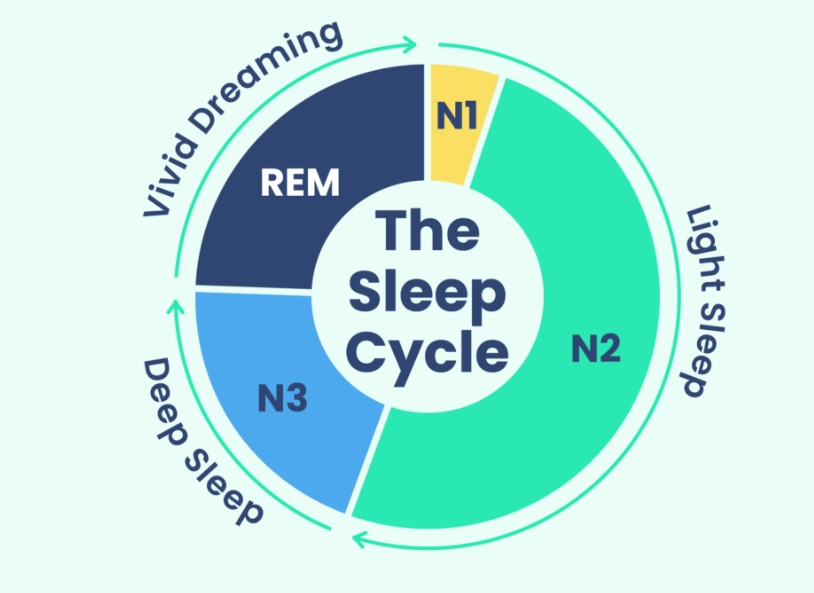
The Right (and Wrong) Way to Use Naps
Naps can be a lifesaver or a schedule-wrecker. The key is timing and duration.
The Golden Rule: Nap early and short. The ideal nap window is between 1 p.m. and 3 p.m. This aligns with a natural post-lunch dip in alertness (the "siesta" zone). Napping after 4 p.m. is like having an espresso shot for your circadian rhythm—it will likely interfere with nighttime sleep.
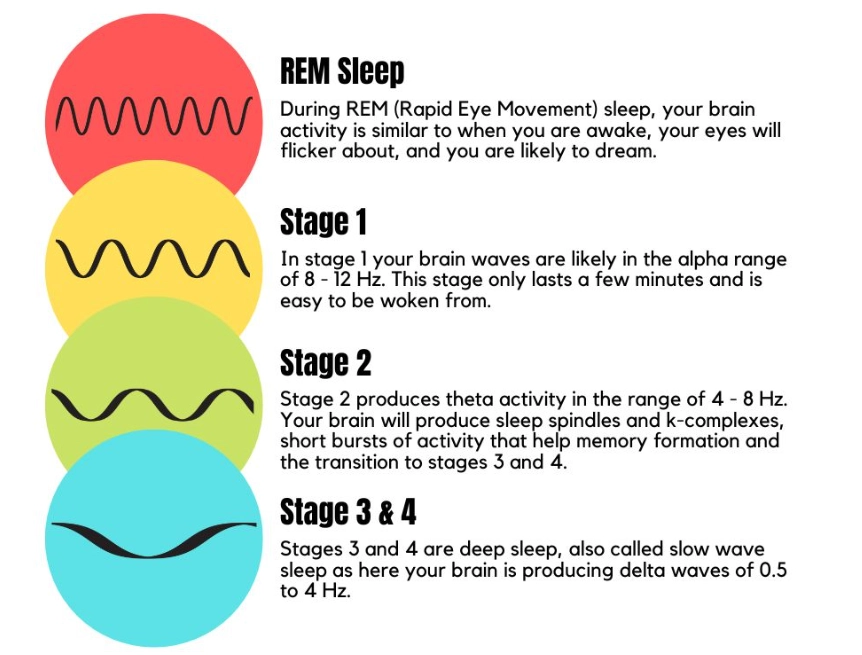
Duration is critical: Aim for a 10-20 minute "power nap." This keeps you in the lighter stages of sleep, so you wake up refreshed without sleep inertia (that groggy feeling). If you have more time, a full 90-minute nap allows you to complete a full sleep cycle, including deep sleep and REM, and can be remarkably restorative. The danger zone is the 30-60 minute nap, which often ends during deep sleep, leading to intense grogginess.
If you're trying to fix a severely delayed schedule, avoid naps altogether for the first week or two to build strong sleep pressure at night.
Troubleshooting: What to Do When You're Still Stuck
You're doing the light thing, you have a routine, but you still find yourself staring at the ceiling. Here are specific fixes for common roadblocks.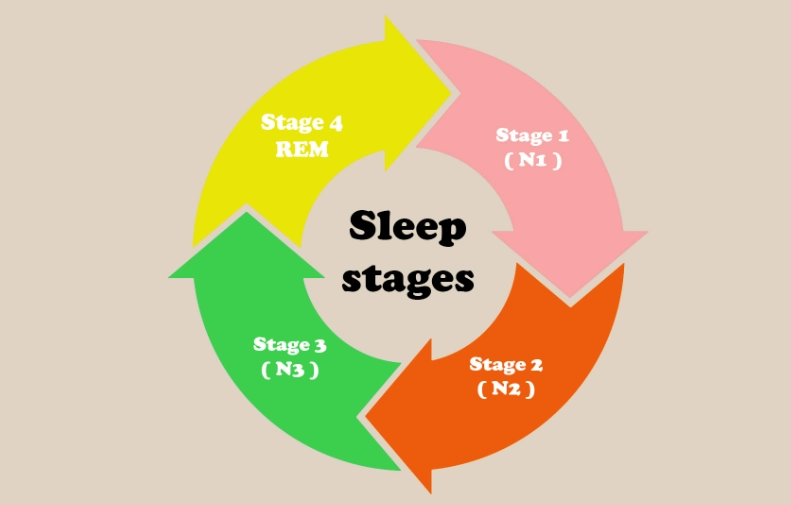
The "I Can't Turn My Brain Off" Problem
This is often sleep procrastination—avoiding sleep because the day lacked personal time. The fix isn't just willpower; it's scheduling. Carve out 30-60 minutes of guilt-free "me time" earlier in the evening, before your wind-down routine. When your brain gets that time, it's less likely to rebel at bedtime.
The "I Wake Up at 3 a.m. Every Night" Problem
Fragmented sleep can be caused by stress, an aging bladder, or blood sugar dips. Try a small, protein-rich snack before bed (e.g., a handful of almonds, a spoonful of nut butter). Avoid carbs alone. Also, practice a simple breathing technique (4-7-8: inhale 4, hold 7, exhale 8) when you wake up, instead of reaching for your phone.
When to Consider Professional Help
If you've consistently practiced good sleep hygiene for over a month with no improvement, or if you suspect sleep apnea (loud snoring, gasping for air, daytime exhaustion) or insomnia, consult a doctor or a sleep specialist. Organizations like the American Academy of Sleep Medicine provide resources to find accredited centers. Sometimes, the issue is medical, not behavioral.
Your Sleep Cycle Questions, Answered
For most people shifting their schedule by a few hours, expect a solid one to two weeks of consistent effort to feel fully adjusted. Your body can adapt about 60 minutes per day. So shifting from a 1 a.m. to an 11 p.m. bedtime is a 10-day process if done gradually. The first 3-4 days are the hardest. Don't judge success by night one; judge it by how you feel after a full week.
This is the single biggest mistake people make, and it's called "social jet lag." Sleeping in more than 60-90 minutes later on weekends completely confuses your internal clock. Come Monday morning, it's like you've flown across a time zone. You feel terrible. It's far better to keep your wake-up time within an hour every day, even weekends. If you need to catch up, go to bed earlier on Friday and Saturday night, not wake up later.
 What should I do if I absolutely must use my laptop or phone late for work?
Mitigate, don't catastrophize. First, use software like f.lux to aggressively reduce blue light and dim the screen to the lowest comfortable level. Second, take a 5-10 minute break every 30 minutes to look away and let your eyes relax. Most importantly, after you finish, do not immediately try to sleep. Give yourself a 45-minute buffer with no screens. Read a dull book, listen to a calm podcast, or do some light tidying. This buffer period is non-negotiable to let the mental arousal from work subside.
They can be useful tools for awareness, showing you patterns you might miss. However, they can also create "orthosomnia"—an unhealthy obsession with perfect sleep data, which increases anxiety and ironically worsens sleep. Use a tracker to confirm trends (e.g., "I sleep better on nights I don't have wine"), not to judge each night's score. Your subjective feeling of rest upon waking is a more important metric than any algorithm's "sleep score."
Reader Comments