In This Guide: Quick Navigation
You know the feeling. The alarm goes off, and instead of jumping out of bed, you feel like you've been hit by a truck. You hit snooze once, twice, maybe five times. The day feels like a marathon you didn't train for, and by mid-afternoon, you're fantasizing about your pillow. It's not just a bit of tiredness; it's a profound, overwhelming need to sleep that seems to have come out of nowhere. If you're constantly wondering, "Why am I sleeping too much all of a sudden?" you're not alone, and more importantly, you're not just lazy. Your body is trying to tell you something.
I remember a period a few years back where I was clocking 10-12 hours a night and still needed a nap. My friends joked I was turning into a cat. It wasn't funny to me. I felt foggy, frustrated, and completely out of sync with my life. It took some digging to understand what was going on. That personal frustration is what drives this deep dive. We're going to move past the generic "get more sleep" advice and look at the real, often overlooked reasons behind sudden excessive sleepiness.
It's More Than Just Tiredness: Defining Sudden Hypersomnia
First, let's clarify terms. Feeling sleepy is one thing. Needing excessive amounts of sleep (often defined as more than 9-10 hours regularly for an adult) and still feeling unrefreshed is another. Doctors call this hypersomnia. The "sudden" part is crucial—it means this isn't your lifelong pattern. Something has shifted.
Maybe you used to be a solid 7-hour sleeper and now you can't function on less than 9. Maybe you're falling asleep during meetings or while watching TV, which never happened before. This shift is your central clue. So, why *am* I sleeping too much all of a sudden? The answer is rarely one single thing. It's usually a puzzle, and we're going to lay out all the pieces.
The Big List: 12 Reasons You Might Be Asking "Why Am I Sleeping So Much?"
I've grouped these into categories to make sense of them. Think of this as a checklist you can run through mentally. Some are simple fixes; others need a professional's eye.
1. The Sleep Debt & Lifestyle Culprits
These are the most common starters, but they often team up with other factors.
Chronic Sleep Restriction Catching Up: This is the classic. You've been burning the candle at both ends for months—work, family, late-night scrolling. Your body builds up a sleep debt. Then, one day, it decides to cash the check. You crash. The sudden need for 12 hours of sleep on Saturday is your system forcing a reboot. The problem is, if the debt is huge, one long sleep won't fix it. You might feel like you're sleeping too much all of a sudden because you're finally trying to pay back a massive loan.
Diet and Blood Sugar Rollercoasters: What you eat directly impacts your energy. A diet high in processed carbs and sugar can cause intense energy spikes and crashes. That 3 PM slump isn't just in your head; it's a blood sugar dive. Your body's response to low energy? Signal for sleep. I found that cutting out sugary breakfasts made a noticeable difference in my morning alertness within days.
Dehydration: Sounds too simple, right? But even mild dehydration can lead to significant fatigue and reduced cognitive function. Your body's cells struggle to produce energy efficiently. If you're living on coffee and not enough water, you're setting yourself up for an energy crash that feels like sleepiness.
Sudden Drop in Physical Activity: If you were regularly active and then stopped (due to an injury, a busy period, or just lost motivation), you might feel more tired. Exercise regulates energy levels and improves sleep quality. Without it, your sleep can become less restorative, leading you to need more of it to feel okay.
2. The Physical Health Factors
This is where we get into territory where seeing a doctor is a very good idea.
Iron Deficiency (Anemia): This is a huge one, especially for women. Iron is essential for carrying oxygen in your blood. Low iron means less oxygen to your muscles and brain. The result? Profound fatigue and a powerful urge to sleep. It can creep up slowly or feel quite sudden once your stores are depleted. A simple blood test can check this.
Vitamin Deficiencies (B12, D, etc.): Like B12 and Vitamin D. B12 is crucial for nerve function and energy production. Deficiency can cause severe fatigue and weakness. Vitamin D deficiency is incredibly common and is strongly linked to low energy and sleep disturbances. Given how many people are deficient, this is a prime suspect for unexplained tiredness.
Thyroid Issues (Hypothyroidism): Your thyroid is your body's metabolic thermostat. When it's underactive (hypothyroidism), everything slows down. Metabolism, heart rate, brain function. The hallmark symptom? Overwhelming fatigue and excessive sleepiness. It can develop gradually, making the change feel "sudden" when you finally hit a wall.
Undiagnosed Sleep Apnea: This is a major, and often missed, reason people ask, "Why am I sleeping too much all of a sudden?" With sleep apnea, you stop breathing briefly multiple times per night. Each event jolts you awake (though you rarely remember it), fragmenting your sleep. The result? You spend 8 hours in bed but get minutes of quality deep sleep. Your body desperately tries to compensate by demanding more sleep time. Loud snoring, waking up gasping, and morning headaches are red flags. The National Heart, Lung, and Blood Institute has excellent resources on this.
Post-Viral Fatigue & Long COVID: After a significant infection like the flu, mono, or COVID-19, it's common for intense fatigue and increased sleep needs to linger for weeks or even months. Your immune system has been in a war, and recovery takes energy. For some, this turns into a longer-term condition. If your sudden sleepiness started after an illness, this is a key connection.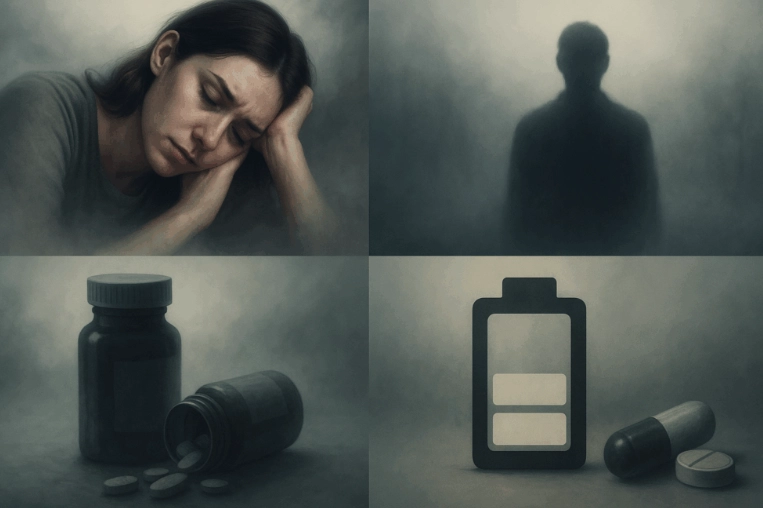
3. The Mental and Neurological Side
The brain-sleep connection is powerful and works both ways.
Depression and Anxiety: Depression isn't just about feeling sad. It's often a physical experience. One of the most common symptoms is a change in sleep patterns. For many, it manifests as hypersomnia—sleeping excessively but never feeling rested. Sleep becomes an escape. Anxiety, especially if it's causing nighttime rumination or poor sleep, can also lead to daytime exhaustion and a need to crash. The National Institute of Mental Health lists sleep changes as a core symptom.
Chronic Stress and Adrenal Fatigue (A Controversial One): Let's talk about this. The term "adrenal fatigue" isn't widely accepted in mainstream endocrinology, but the phenomenon of stress burnout is real. Long-term stress floods your system with cortisol. Eventually, your stress-response system can get dysregulated, leading to a constant state of fatigue. Your body uses sleep as a refuge from the stress. Whether you call it adrenal fatigue or stress-induced exhaustion, the impact on your sleep need is real.
Idiopathic Hypersomnia: This is a less common neurological disorder where the brain's sleep-wake signals are off. The key is that the excessive daytime sleepiness and long sleep times (10+ hours) happen *without* an obvious cause like apnea or narcolepsy. It's a diagnosis of exclusion, meaning other causes must be ruled out first.
Let's put some of these common physical causes into a quick-reference table. It's not exhaustive, but it helps see the patterns.
| Potential Cause | Key Signs Beyond Sleepiness | Typical Next Step |
|---|---|---|
| Iron Deficiency Anemia | Pale skin, shortness of breath, dizziness, cold hands/feet, brittle nails. | Complete Blood Count (CBC) blood test. |
| Hypothyroidism | Weight gain, feeling cold, dry skin, hair loss, constipation. | Thyroid Stimulating Hormone (TSH) blood test. |
| Sleep Apnea | Loud snoring, witnessed breathing pauses, waking up gasping, dry mouth, morning headache. | Consult a sleep specialist; may require a sleep study. |
| Vitamin D/B12 Deficiency | General muscle weakness, bone pain (Vit D), "pins and needles" sensation, cognitive fog (B12). | Specific vitamin level blood tests. |
| Depression | Persistent low mood, loss of interest in activities, changes in appetite, feelings of hopelessness. | Consult a doctor or mental health professional for an evaluation. |
What Can You Actually Do About It? A Step-by-Step Action Plan
Feeling overwhelmed by the list is normal. Let's break down what you can do, starting today.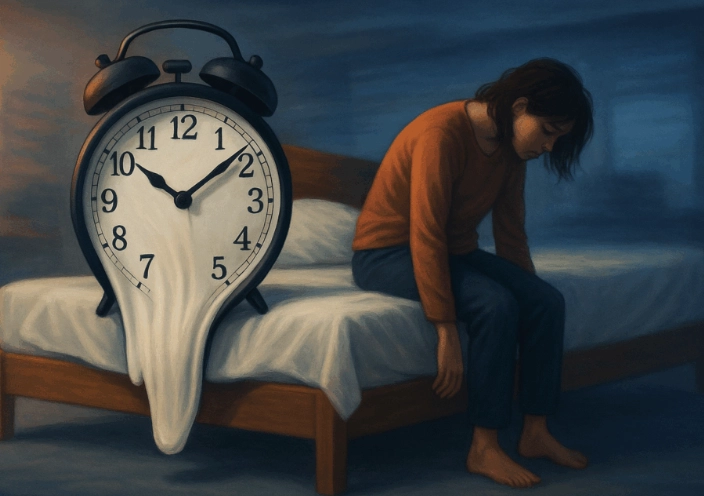
Step 1: Become a Sleep Detective (The 1-Week Log)
Before you do anything else, gather data. For one week, track:
- Bedtime & Wake Time: When you actually fell asleep and woke up.
- Total Sleep Hours: Calculate it.
- Sleep Quality (1-5 scale): How refreshed did you feel?
- Daytime Naps: Duration and time.
- Diet & Exercise: Notes on meals and physical activity.
- Energy Peaks/Troughs: When you felt most alert and most sleepy.
- Stress Level & Mood: Brief notes.
This log is gold. It might reveal patterns you're blind to—like a consistent crash after lunch (diet-related) or terrible sleep after late-screen nights. It's also the single most useful thing you can bring to a doctor.
Step 2: Rule Out the Simple Stuff (The Foundation)
Attack the low-hanging fruit simultaneously.
Hydrate: Aim for at least 2 liters of water daily. Notice if your energy improves.
Tweak Your Diet: Reduce processed sugar and carbs. Add more protein, healthy fats, and fiber to stabilize blood sugar. Have a protein-rich breakfast.
Move Your Body (Gently): Don't launch into intense training. A 30-minute brisk walk most days can work wonders for sleep quality and energy regulation.
Prioritize Sleep Hygiene: This isn't just fluff.
- Set a consistent bedtime and wake-up time, even on weekends. This is the number one rule for regulating your sleep drive.
- Make your bedroom a cave: cool, dark, and quiet. Consider blackout curtains.
- Power down screens at least 60 minutes before bed. The blue light is a signal to stay awake. Read a physical book instead.
- Wind down with a routine: light stretches, meditation, a warm shower.
Step 3: Listen to Your Body & Seek Professional Help
If after 2-3 weeks of diligent effort on Step 2, you're still constantly asking "why am I sleeping too much all of a sudden," it's time to bring in the pros.
Start with Your Primary Care Physician (PCP): Bring your sleep log. Describe the sudden change. Ask for a check-up that includes:
- Complete Blood Count (CBC) for anemia.
- Thyroid panel (TSH, Free T4).
- Vitamin D and B12 levels.
- Blood glucose test.
This basic workup can identify or rule out many common physical causes.
Consider a Sleep Specialist: If your PCP suspects sleep apnea or another primary sleep disorder, a referral to a sleep specialist is the logical next step. A sleep study (polysomnography) might be recommended. It's not the most fun night of your life, but getting a diagnosis for something like apnea is life-changing. Treatment (like a CPAP machine) can make you feel decades younger.
Talk to a Therapist: If stress, anxiety, or low mood seem to be central players, therapy is a powerful tool. Cognitive Behavioral Therapy for Insomnia (CBT-I) is highly effective even for hypersomnia related to poor sleep habits and anxiety. A therapist can also help you unpack whether depression is a factor.
Questions You're Probably Asking (The FAQ Section)
Quick-Take Summary: Your Action Plan at a Glance
- Track It: Keep a detailed sleep & lifestyle log for 7 days.
- Fix the Basics: Hydrate, eat for stable energy, move gently, and enforce strict sleep hygiene.
- Investigate Physically: See your doctor for basic blood tests to rule out deficiencies, thyroid issues, etc.
- Consider Your Mind: Be honest about stress and mood. Therapy is a strength, not a weakness.
- Specialize if Needed: A sleep study might be the key if other causes are ruled out.
The goal isn't to sleep less, necessarily. It's to sleep better and wake up feeling genuinely restored.
Look, figuring out why you're sleeping too much all of a sudden can be a frustrating process of elimination. It requires patience and self-advocacy. The medical system can be slow, and it's easy to get dismissed. But that sleep log and a clear description of the sudden change are your best weapons.
Your body is asking for help in the only way it knows how—by demanding more downtime. Listening to it, investigating seriously, and getting the right help is how you turn this confusing phase into a path toward better, more energized health. Start with one step today, even if it's just drinking a big glass of water and setting a slightly earlier bedtime.
Reader Comments