You drag yourself out of bed after eight hours of sleep, but by 3 PM you're ready to crawl back in. Coffee stops working. You tell yourself you're just "busy," but that deep, persistent fatigue feels different. If this is your daily reality, your body might be screaming for specific nutrients. The most common vitamin and mineral deficiencies linked to constant tiredness are iron, vitamin D, vitamin B12, and magnesium. But here's the catch – guessing which one you lack is a waste of time and money. I've seen people spend years taking the wrong supplement because they didn't start with the right question.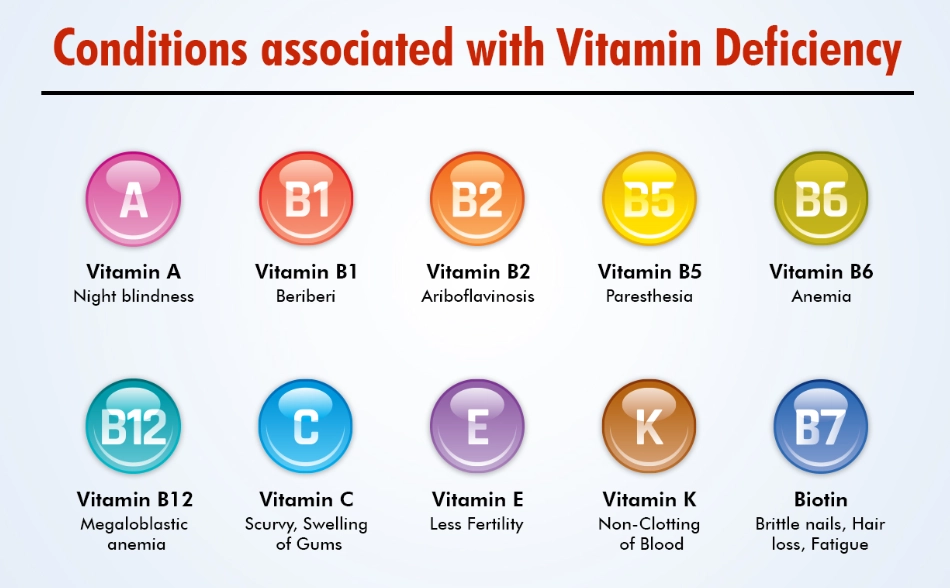
What’s Inside: Your Quick Guide to Beating Fatigue
The 4 Main Culprits Behind Vitamin Deficiency Fatigue
Let's break down each one. Fatigue isn't just about feeling sleepy; it's your body's way of saying a core process is running on fumes.
1. Iron: The Oxygen Taxi That's Running Empty
This is the big one, especially for women of childbearing age, vegetarians, and frequent blood donors. Iron's main job is to make hemoglobin, the protein in red blood cells that carries oxygen from your lungs to every tissue. Low iron means less hemoglobin, which means less oxygen delivery. Your muscles and brain become energy-starved.
The fatigue from iron deficiency (or its more severe form, anemia) is distinctive. It's not just mental fog. You feel physically weak. Climbing a flight of stairs makes your heart race. You might look pale, get headaches, or have restless legs. A common but overlooked sign? Cravings for ice, clay, or dirt (a condition called pica).
2. Vitamin D: It's Not Just for Bones
Calling vitamin D a "vitamin" is almost a misnomer; it acts more like a hormone. While its role in calcium absorption and bone health is famous, its impact on energy is underrated. Vitamin D receptors are found all over your body, including in muscle tissue. Low levels are strongly correlated with non-specific fatigue and muscle weakness.
Think about it. Many people feel more tired and sluggish during the winter months. While less sunlight plays a role, plummeting vitamin D levels are a key physiological driver. If your fatigue has a seasonal pattern or you spend most of your time indoors, this deserves a hard look.
3. Vitamin B12: The Energy Production Line Manager
B12 is essential for producing energy in your cells and forming healthy red blood cells. A deficiency can cause a specific type of anemia (megaloblastic anemia) that leads to profound fatigue, weakness, and even neurological symptoms like numbness, tingling, and balance problems.
Who's at highest risk? Vegans and strict vegetarians, as B12 is naturally found only in animal products. Older adults, people with digestive disorders like Crohn's or Celiac disease, and those on long-term acid-reflux medication (like PPIs) also have trouble absorbing it.
4. Magnesium: The Body's Spark Plug
Magnesium is involved in over 300 biochemical reactions, many related to energy production. It helps convert food into ATP, the fundamental energy currency of your cells. When magnesium is low, that conversion process is less efficient. The result? You feel like your battery is permanently at 20%.
Modern diets are often low in magnesium. Processed foods are stripped of it, and stress depletes it further. The fatigue from low magnesium often comes with other hints: muscle cramps, twitches, anxiety, and trouble sleeping – creating a vicious cycle of exhaustion.
| Nutrient | Primary Role Related to Energy | Key Dietary Sources | Classic Fatigue Symptoms (Beyond Just Tiredness) |
|---|---|---|---|
| Iron | Oxygen transport in blood | Red meat, poultry, lentils, spinach, fortified cereals | Shortness of breath, pale skin, rapid heartbeat, weakness |
| Vitamin D | Muscle function, cell regulation | Sunlight, fatty fish (salmon, mackerel), egg yolks, fortified milk | Muscle aches/pains, low mood, frequent illness |
| Vitamin B12 | Red blood cell formation & nerve function | Meat, fish, eggs, dairy, nutritional yeast (fortified) | "Pins and needles" in hands/feet, brain fog, balance issues |
| Magnesium | ATP (energy) production in cells | Almonds, spinach, cashews, black beans, avocados | Muscle cramps, anxiety, insomnia, headaches |
How to Accurately Test for Vitamin Deficiencies (It's Not Guesswork)
This is where most people go wrong. They read a list of symptoms, buy a supplement, and hope for the best. It's like trying to fix a car engine by randomly replacing parts. You need a diagnosis.
Schedule an appointment with your doctor and ask for a comprehensive metabolic panel and nutrient blood test. Be specific about your fatigue. The crucial tests to request are:
- Complete Blood Count (CBC) with Iron Studies: This checks for anemia and measures your ferritin (stored iron). Low ferritin can cause fatigue even before full-blown anemia appears.
- Vitamin D (25-hydroxy vitamin D): Aim for a level above 30 ng/mL. Many labs list 20 as "sufficient," but optimal energy and immune function often require higher levels.
- Vitamin B12: Simple blood test. Also, methylmalonic acid (MMA) can be a more sensitive marker if B12 is borderline.
- Magnesium (RBC Magnesium): Request the Red Blood Cell (RBC) magnesium test, not just serum magnesium. The RBC test measures magnesium inside your cells, which is a far more accurate picture of your body's actual status. This is a tip many miss.
Insurance typically covers these tests when fatigue is a presenting symptom. The data you get is worth infinitely more than months of trial and error with supplements.
Fixing the Gap: A "Food-First" Action Plan
Once you know what you're lacking, food is your most powerful tool for correction. Supplements have their place, but they work best alongside a nutrient-dense diet.
For Iron: Pair plant-based iron (non-heme iron) from spinach or lentils with a source of vitamin C (bell peppers, citrus, strawberries). The vitamin C boosts absorption significantly. Cooking in a cast-iron skillet can also add trace amounts of iron to your food.
For Vitamin D: Safe sun exposure (10-15 minutes on arms/legs, several times a week) is the best source. In food, focus on fatty fish. A single 3-ounce serving of salmon can provide over 70% of your daily needs.
For B12: If you eat animal products, include liver, clams, and sardines occasionally – they're incredibly rich sources. For vegans, fortified nutritional yeast, plant milks, and cereals are essential. Check the labels.
For Magnesium: Make nuts, seeds, and dark leafy greens daily staples. A handful of almonds and a big spinach salad can go a long way.
The Big Mistake Everyone Makes with Supplements
Walking into a vitamin aisle is overwhelming. The mistake is self-prescribing high doses without knowing your baseline. Excess iron can be toxic. High-dose B12 won't hurt, but it's pointless if your fatigue is from low iron. Vitamin D needs co-factors like vitamin K2 and magnesium for optimal use.
My rule: Use supplements to fill a confirmed gap, not as an insurance policy. If you are deficient, your doctor will recommend a therapeutic dose. Once levels are normalized, you can often maintain with diet and a modest maintenance supplement, if needed.
Quality matters. Look for third-party tested brands (USP, NSF, ConsumerLab). For B12, methylcobalamin is often better absorbed than cyanocobalamin. For iron, ferrous bisglycinate is gentler on the stomach than ferrous sulfate.
Beyond the Basics: What Most Articles Won't Tell You
After a decade in nutrition, patterns emerge. Here are a few non-obvious points most people miss.
The B12-Iron Connection: A B12 deficiency can actually mask an iron deficiency on a standard blood test. If you're supplementing with B12 for fatigue and not seeing results, you must re-check your iron and ferritin levels. I've seen this happen repeatedly.
"Normal" is Not Optimal: Lab ranges are based on population averages, not optimal health. A vitamin D level of 22 ng/mL might be flagged as "normal," but you'll likely still feel tired. Aim for the upper half of the range for energy.
Stress Depletes Magnesium Like a Sieve: Chronic stress raises cortisol, which flushes magnesium out through your urine. If you're stressed and tired, magnesium is one of the first places to look, even if you think you eat well.
The Gut Factor: You could be eating plenty of B12 or iron, but if you have low stomach acid (common with age or PPI use) or gut inflammation, you might not absorb it. This is why some people need sublingual B12 or different forms of iron.
Your Fatigue Questions, Answered
 How long after correcting a deficiency will my energy improve?
Persistent fatigue is your body's most important alarm. Dismissing it as "just stress" or "getting older" means ignoring a potential fixable cause. Start with the data from a blood test. Target your nutrition based on that data. The path to real, sustained energy isn't found in an energy drink or a random supplement bottle. It's found in understanding exactly what your unique body is missing and giving it precisely that.
Reader Comments