You're in bed for eight hours, but you wake up feeling like you ran a marathon in your sleep. Your mind races the second your head hits the pillow, or you drift off only to snap awake at 3 AM every single night. Sound familiar? You're not alone. Poor sleep quality is a modern epidemic, but the usual advice—"sleep more," "drink chamomile tea"—often misses the mark because it treats the symptom, not the root cause.
After years of struggling with this myself and digging into the research from places like the National Sleep Foundation and Harvard Medical School, I realized most guides skip the subtle, interconnected reasons. It's rarely one big thing. It's a combination of small, overlooked factors sabotaging your sleep architecture—the natural cycle of light, deep, and REM sleep you need to feel restored.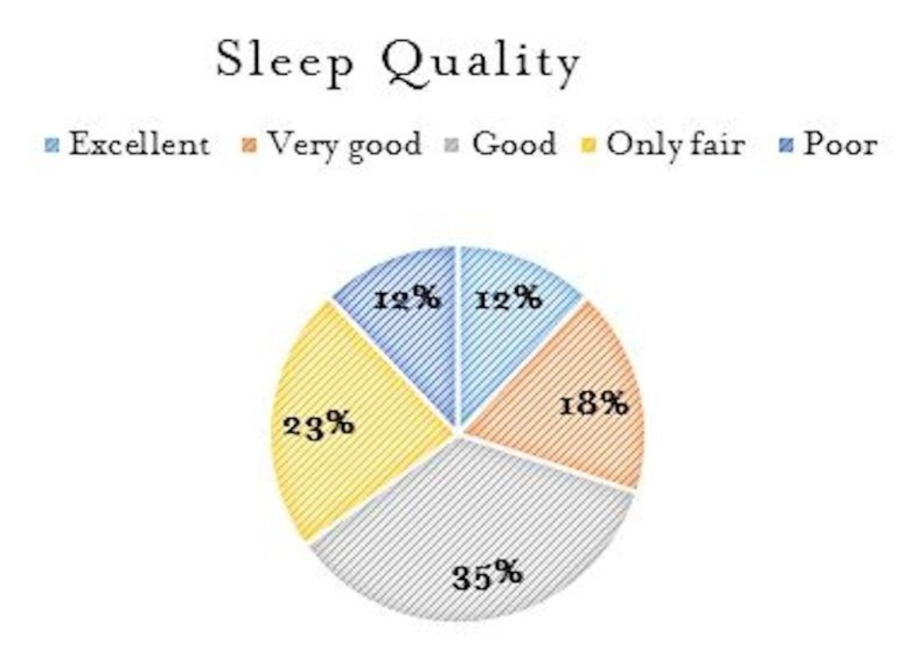
What's Really Ruining Your Sleep? A Quick Guide
- The Overlooked Culprit: Your Sleep Environment
- Your Schedule Is the Problem (Even If It's Consistent)
- The Mind & Stress Trap You Can't Switch Off
- How Food, Drink, & Evening Habits Backfire
- The Surprising Movement & Exercise Connection
- How Do I Actually Improve My Sleep Hygiene?
- Should I Be Tracking My Sleep Data?
The Overlooked Culprit: Your Sleep Environment
Think your room is fine for sleeping? Let's audit it with a critical eye. Most people get this wrong in ways they don't notice.
Temperature: The Goldilocks Zone You're Missing
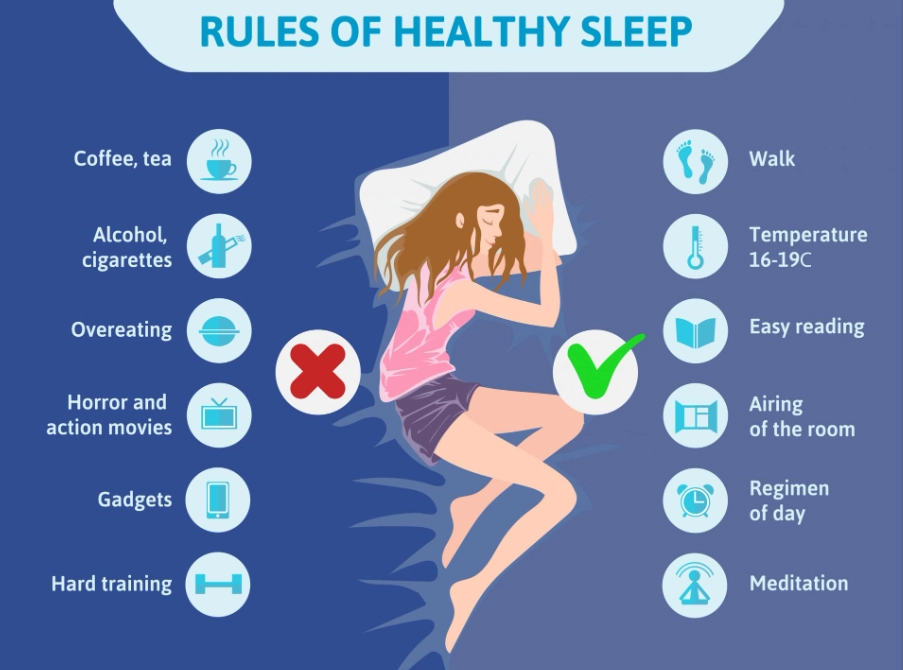
The National Sleep Foundation recommends around 65°F (18.3°C). But here's the expert nuance everyone misses: it's not about the room temperature at 10 PM. It's about your core body temperature dropping, which is the signal for sleep. If your room is too warm, your body can't shed heat efficiently. A hot room fragments your sleep, making you toss and turn as your body struggles to regulate.
My personal mistake: I used a heavy duvet year-round, thinking coziness equaled good sleep. I was wrong. I switched to layered blankets and lowered the thermostat. The difference in deep sleep was noticeable within days.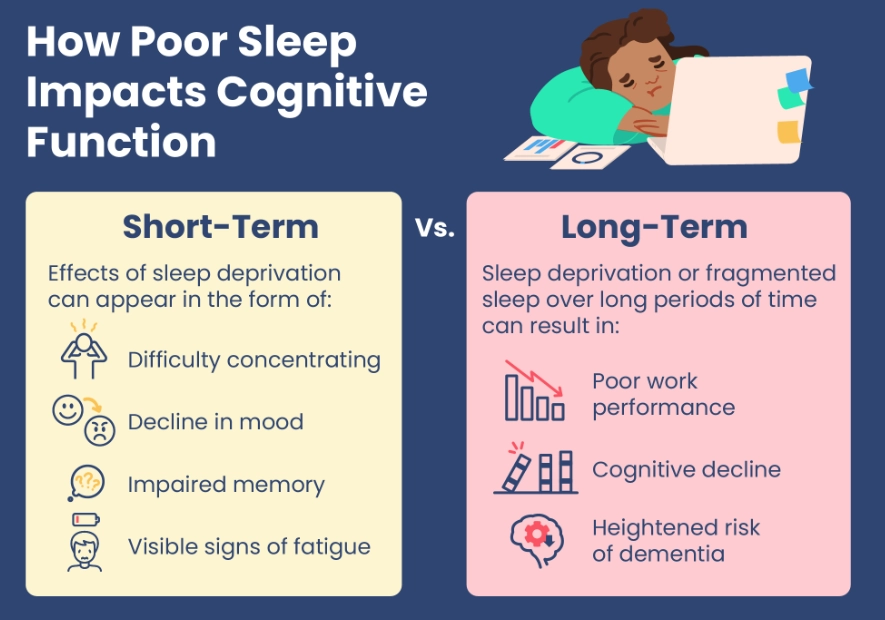
Light & Noise: The Stealth Disruptors
Even tiny amounts of light—a charging LED, streetlight seepage—can interfere with melatonin production. It's not about seeing the light; it's about your eyelids detecting it. Blackout curtains are non-negotiable. For noise, steady white noise (like a fan) is better than erratic sounds (a partner shifting, distant traffic), which can trigger micro-arousals you don't remember but which wreck sleep continuity.
Your Schedule Is the Problem (Even If It's Consistent)
"Go to bed and wake up at the same time" is good advice. But what if that time fights your biology?
Social Jet Lag & Weekend Binge-Sleeping
Staying up late and sleeping in on weekends creates a form of jet lag. Come Monday, your circadian rhythm is confused. Waking up for work feels like waking up in a different time zone. This misalignment severely degrades sleep quality all week. Consistency means every day, even Saturday.
The Pre-Bed Blue Light Disaster
You know screens are bad. But the bigger mistake is thinking "night mode" or blue-light glasses are a magic fix. They help, but they don't eliminate the problem. The real issue is cognitive arousal. Scrolling through work emails or intense social media is mentally stimulating, putting your brain in "daytime" mode. The light is just one part of the equation. The last hour before bed should be dull. Seriously, boring is better.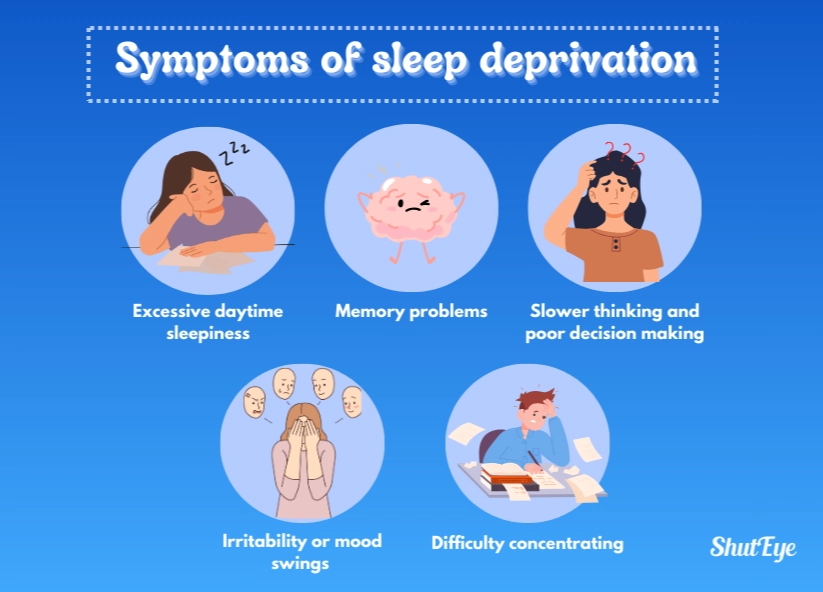
The Mind & Stress Trap You Can't Switch Off
"Just relax" is infuriating advice when your mind won't quit. The problem isn't stress itself; it's that we try to solve problems in bed.
Your bed becomes an extension of your desk. Your brain learns the association: bed = problem-solving time. To break this, you need a "brain dump" ritual at least 60-90 minutes before bed. Write down every worry, to-do, and random thought on paper. This gets it out of your looping mental RAM and onto physical storage, signaling to your brain it can power down.
Non-Consensus Tip: Don't just try to "clear your mind." That's impossible. Instead, give it a single, simple, repetitive focus. Counting breaths (1 on inhale, 2 on exhale, up to 10, then repeat) works better than "counting sheep" because it requires slight attention, gently crowding out anxious thoughts.
How Food, Drink, & Evening Habits Backfire
You might be making these mistakes without realizing their full impact.
- Alcohol: The biggest sleep quality saboteur. It sedates you, yes, but it utterly destroys REM sleep (the mentally restorative phase) and causes frequent awakenings in the second half of the night as your body metabolizes it.
- Late, Heavy Meals: Your body is trying to digest, not rest. Heartburn or indigestion can wake you up subtly. Finish eating 2-3 hours before bed.
- Evening Caffeine: Caffeine's half-life is about 5-6 hours. A 3 PM coffee means 1.5 cups' worth of caffeine is still in your system at 9 PM, binding to adenosine receptors and blocking sleep signals.
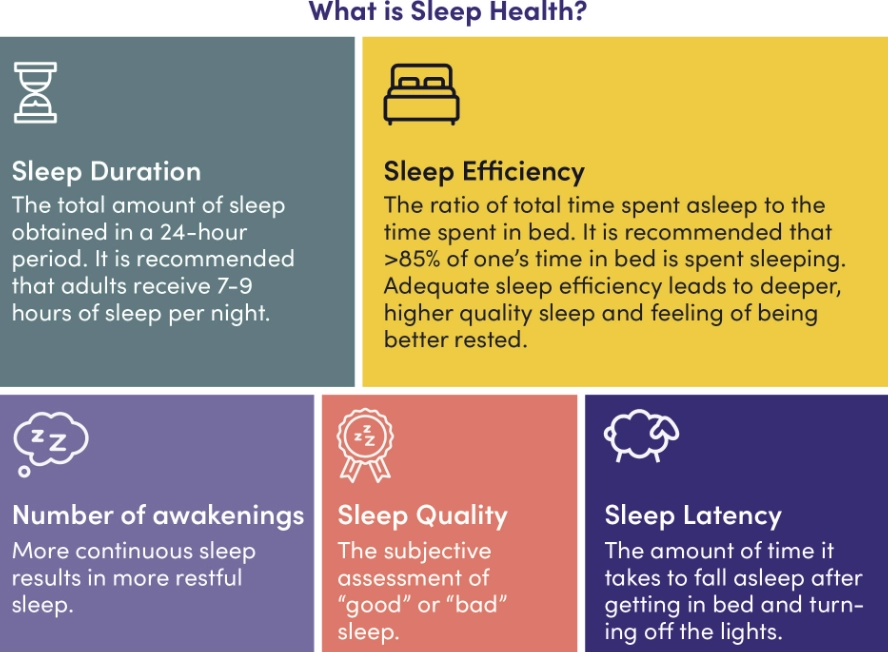
The Surprising Movement & Exercise Connection
Exercise improves sleep, but timing and intensity matter hugely. Intense exercise right before bed raises core temperature and adrenaline, making it harder to fall asleep. However, gentle movement like yoga or stretching can be beneficial. The sweet spot for vigorous exercise is late afternoon or early evening—it raises body temperature, and the subsequent drop a few hours later promotes sleepiness.
Conversely, a completely sedentary day leads to poor sleep quality. Your body hasn't accumulated enough sleep pressure—the natural drive to sleep. A simple 30-minute walk in daylight does double duty: it builds sleep pressure and reinforces your circadian rhythm with morning light.
How Do I Actually Improve My Sleep Hygiene?
Forget perfect. Aim for better. Start with one change from each category below for a week.
The Environmental Reset: Get blackout curtains or a good sleep mask. Set your bedroom thermostat to 65-68°F (18-20°C). Consider a white noise machine if your environment is noisy.
The Schedule Lock: Pick a wake-up time you can keep 7 days a week. Be ruthless for one month. Go to bed when you feel sleepy, but get up at that fixed time no matter what. Your bedtime will naturally regulate.
The Pre-Sleep Ritual: Create a 60-minute "wind-down" with no screens. This could be reading a physical book (not a thriller!), light stretching, listening to calm music or a podcast (on a sleep timer), or taking a warm shower/bath (the rise and fall in body temperature aids sleep).
Should I Be Tracking My Sleep Data?
Wearables like Fitbit or Oura Ring can be useful for spotting trends, but they can also create sleep anxiety ("orthosomnia"). Don't become a slave to the score.
Use them to answer questions like: "Do I sleep better on days I exercise?" or "How does a late meal affect my deep sleep?" Then, put the device away for a week and just focus on how you feel. The subjective feeling of refreshment is the ultimate metric, not a number from an algorithm.
Your Sleep Quality Questions, Answered
 I fall asleep fine but wake up at 3 AM with anxiety. How do I stop this?
Reader Comments