You're lying in bed, mind racing, watching the clock tick closer to midnight. The thought hits you: what can I drink to sleep faster? Maybe a nightcap? Warm milk? Herbal tea? The internet is full of suggestions, but which ones actually work and why? I've spent years digging into the research and testing these drinks myself—sometimes with great success, other times making mistakes that kept me up even longer. Let's cut through the noise. The right drink can be a powerful signal to your body that it's time to wind down, but timing, ingredients, and quantity matter more than you think.
What's Inside: Your Quick Guide
How a Drink Actually Helps You Fall Asleep
It's not magic. A good sleep drink works through one or more of these physiological pathways:
The Temperature Trick: A warm liquid—not scalding hot—raises your core body temperature slightly. This might sound counterintuitive, but as your body works to cool back down, it mimics the natural temperature drop that occurs at sleep onset. This cooling process signals the release of melatonin. A study published in the journal Sleep highlighted the link between distal body warming (like warm hands and feet) and improved sleep onset. A warm drink can kickstart a similar process from the inside.
The Nutrient Pathway: Certain beverages contain compounds that directly influence sleep-regulating neurotransmitters. The most famous is tryptophan, an amino acid found in milk. Tryptophan is a precursor to serotonin, which is then converted to melatonin, the key sleep hormone. Magnesium, found in some herbal teas, acts as a natural relaxant for your nervous system and muscles.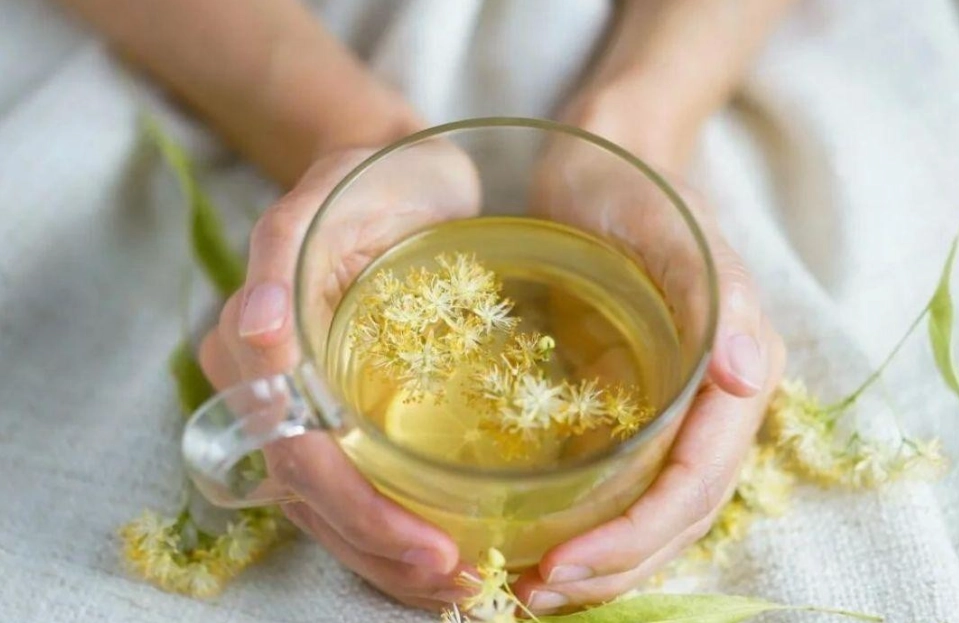
The Ritual Signal: This is the underrated part. Consistently drinking a non-caffeinated, calming beverage 30-60 minutes before bed creates a powerful psychological cue. Your brain starts to associate that specific taste and routine with shutting down for the night. It's a cornerstone of good sleep hygiene.
Think of it this way: the drink itself provides the biochemical nudge, but the ritual locks in the habit.
The Top 6 Drinks to Help You Sleep Faster
Based on evidence and my own trial and error, here are the most effective options. I've ranked them not just on popularity, but on the strength of the science behind them and their practicality.
| Drink | Key Sleep-Promoting Compounds | Best For | Pro Tip / Warning |
|---|---|---|---|
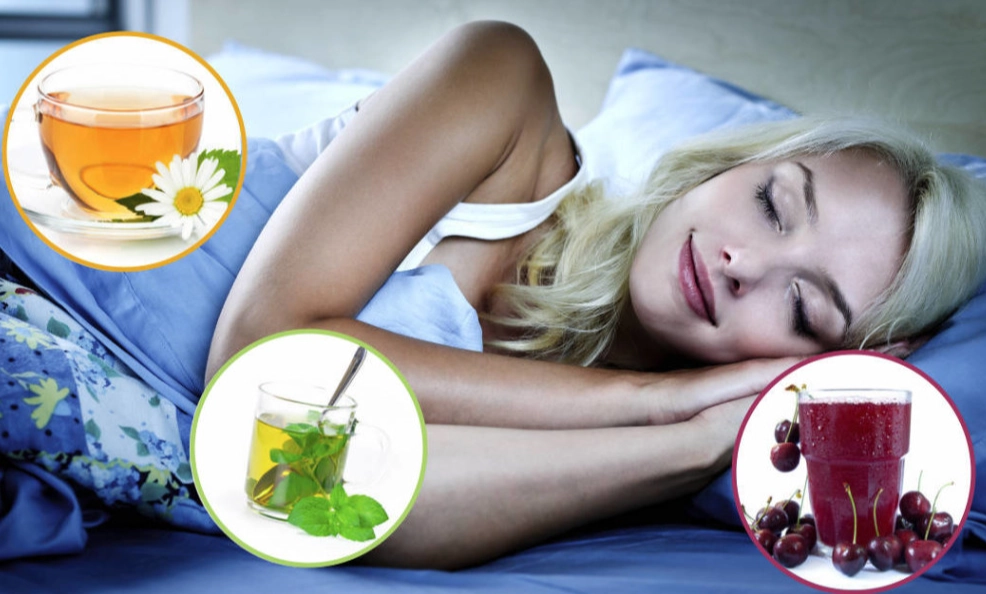
| Tart Cherry Juice | Natural melatonin, anti-inflammatory anthocyanins | Those with low melatonin or post-workout inflammation. | Must be 100% tart cherry juice (not sweet cherry). Drink 1 cup about 1 hour before bed. Can be high in sugar, so opt for unsweetened. |
| Chamomile Tea | Apigenin (an antioxidant that binds to GABA receptors) | Calming racing thoughts and mild anxiety. | Steep for a full 10 minutes with a lid on to extract maximum apigenin. The bagged stuff from the grocery store works, but loose-leaf is often more potent. |
| Warm Milk | Tryptophan, Calcium (aids tryptophan conversion), psychological comfort. | A classic, comforting ritual, especially if you grew up with it. | The science on tryptophan alone is mixed—a glass of milk doesn't contain a huge amount. The warmth and ritual are major players here. Try adding a dash of cinnamon or nutmeg. |
| Valerian Root Tea | Compounds that may increase GABA levels in the brain. | People who have tried chamomile without success. | It has a strong, earthy taste (some say it smells like old socks). It's potent—start with one cup and see how you react. Not recommended for long-term daily use without a break. |
| Passionflower Tea | Harmala alkaloids that may boost GABA. | Quieting a restless mind and body. | Often blended with chamomile or lemon balm for a better flavor profile. Research from the University of Maryland Medical Center suggests it can increase sleep time and quality. |
| Magnesium-Rich "Night Water" | Magnesium Glycinate or Citrate powder. | Anyone with muscle tension, restless legs, or a diet low in magnesium. | This is a game-changer for many. Mix a scoop of a high-quality magnesium powder into warm water. Avoid magnesium oxide, which is poorly absorbed and can act as a laxative. |
My personal go-to is a hybrid: a cup of strong chamomile tea with a scoop of magnesium glycinate stirred in. It tackles both the mental and physical sides of relaxation. Tart cherry juice is my secret weapon when I'm recovering from a hard workout and know sleep will be crucial for repair.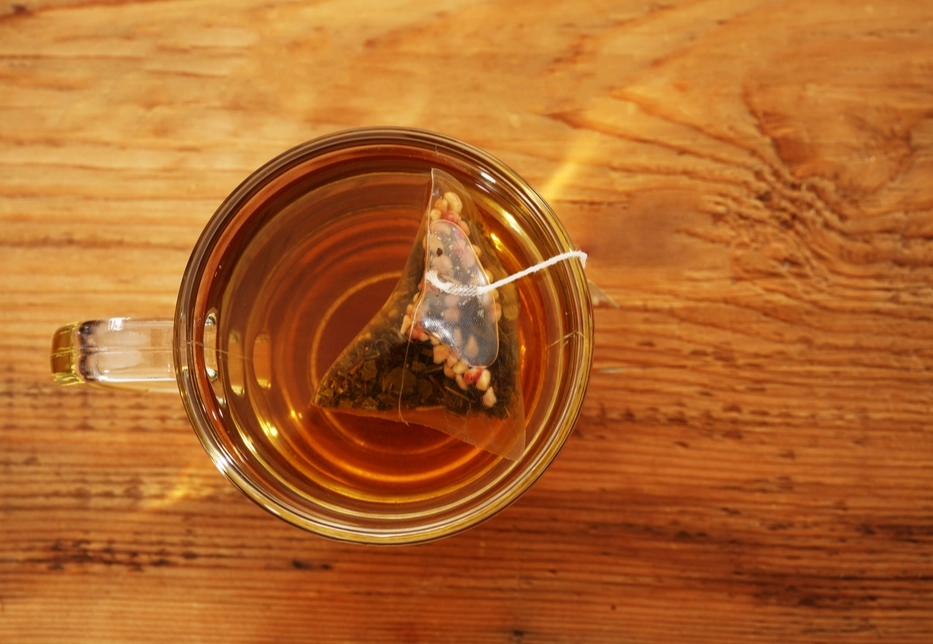
The When and How: Timing & Simple Recipes
Getting this wrong can ruin the whole effect. Drinking too late means you'll be up for a bathroom trip right as you're drifting off. Drinking too early, and the biochemical effects wear off.
The Golden Rule: Finish your sleep drink 30 to 45 minutes before you intend to be lights-out. This gives your body time to process the liquid (minimizing nighttime bathroom trips) and for the active compounds to start working.
Two Tried-and-True Recipes
"Golden Milk" Latte (Anti-Inflammatory & Soothing)
This isn't just trendy; the turmeric has anti-inflammatory properties that can ease aches keeping you awake.
- 1 cup milk of choice (dairy, almond, oat)
- 1/2 tsp turmeric powder
- 1/4 tsp cinnamon
- A tiny pinch of black pepper (crucial—it boosts turmeric absorption)
- A small slice of fresh ginger or a pinch of ginger powder
- Optional: a drizzle of honey or maple syrup
Warm everything gently in a small saucepan, whisking until hot but not boiling. Strain into a mug. The warmth, spices, and tryptophan in the milk create a triple threat against sleeplessness.
The "Deep Reset" Herbal Infusion
For nights when your brain won't switch off.
- 1 chamomile tea bag
- 1 passionflower tea bag
- 1 cup just-boiled water
- 1 tsp dried lemon balm (if you have it)
Steep everything in a large mug with a lid for a full 10-12 minutes. Remove the bags and sip slowly. The combination of apigenin and GABA-promoting compounds is remarkably calming.
What NOT to Drink Before Bed
This is where people sabotage themselves. You might think a drink is helping when it's actually the culprit behind your fragmented sleep.
Alcohol: This is the biggest trap. Yes, a glass of wine might make you feel drowsy and help you fall asleep faster initially. But alcohol is a sedative, not a sleep aid. It wrecks your sleep architecture, suppressing REM sleep (the restorative dream stage) and causing you to wake up frequently in the second half of the night. You wake up unrefreshed. The National Sleep Foundation is clear on this: alcohol might help with sleep onset, but it severely compromises sleep quality.
Caffeine after 2 PM: It's obvious, but worth stating. Caffeine has a half-life of 5-6 hours. That 3 PM coffee still has half its punch at 8 PM. Be wary of hidden sources: dark chocolate, some sodas, and even decaf coffee (which contains small amounts).
Excessive Fluids: Chugging a giant glass of water right before bed guarantees a 3 AM bathroom run. Hydrate well throughout the day, and keep your bedtime drink to a reasonable 6-8 oz cup.
Sugary Drinks or Juices (except tart cherry): A blood sugar spike and crash can disrupt sleep and cause night waking.
3 Mistakes Everyone Makes With Sleep Drinks (And How to Fix Them)
I've made these myself, and I see clients do it all the time.
Mistake 1: Using the drink as a magic bullet while ignoring your environment. You drink chamomile tea while scrolling through bright social media in bed. The blue light from your screen is suppressing melatonin production far more effectively than the apigenin in the tea can promote it. Fix: Make your drink part of a full wind-down routine: dim lights, no screens, maybe some light reading or quiet music.
Mistake 2: Expecting immediate, dramatic results. Sleep drinks are subtle supports, not knockout pills. If your sleep problems are severe (chronic insomnia), a cup of tea won't cure it. It's a tool in your toolkit, not the entire toolbox. Fix: Combine your drink with other proven sleep hygiene practices: a consistent wake-up time, a cool bedroom, and managing stress.
Mistake 3: Ignoring the placebo (and nocebo) effect. If you truly believe warm milk makes you sleepy, it probably will—even if the tryptophan dose is low. Conversely, if you drink something while stressed and thinking "this won't work," it likely won't. Fix: Choose a drink you genuinely enjoy the taste and ritual of. Your positive association is a real, measurable part of its effectiveness.
Your Sleep Drink Questions Answered
 I've tried warm milk and it didn't work. Why?
Reader Comments