Waking up at 3 AM with your mind racing is a special kind of torture. You watch the clock, stress about being tired tomorrow, and desperately hope for sleep that never comes. I’ve been there. For years, I thought sleeping through the night was a talent I just didn’t have. Turns out, I was wrong. It’s a skill. And like any skill, it can be learned. This isn’t about quick fixes or magic pills. It’s about understanding the subtle, often overlooked reasons you wake up and building a sleep foundation so solid that waking up becomes the exception, not the rule.
What's Inside?
Why We Wake Up in the Middle of the Night
Let’s start by debunking a myth. Waking up briefly 2-4 times per night is normal. Our sleep cycles naturally have these micro-awakenings. The problem isn’t waking up; it’s not being able to fall back asleep. That’s the real enemy. The culprits usually fall into a few categories:
Environmental Triggers: A noise outside, your partner moving, a room that’s too warm. Your brain is always on low-grade alert, and these disruptions can be enough to pull you into full consciousness.
Physical Discomfort: An old mattress that sags, a pillow that doesn’t support your neck, heartburn from a late dinner, or the need to use the bathroom.
Circadian Rhythm Misalignment: This is a big one. If your internal body clock is off, your sleep drive can weaken in the middle of the night. Irregular bedtimes, too much blue light before bed, or not getting enough morning light can scramble your circadian signals.
Stress and Anxiety: This is the mental chatterbox. You wake up, and before you know it, you’re mentally drafting an email, worrying about a deadline, or replaying an awkward conversation from 2015.
The goal isn’t to eliminate all awakenings. It’s to make your sleep environment and your own body so primed for sleep that falling back asleep is automatic, almost effortless.
Expert Insight: Many people focus on falling asleep but neglect the conditions for staying asleep. The most common mistake I see? An inconsistent wake-up time. Sleeping in on weekends confuses your internal clock more than you think, making you prone to those 3 AM wake-ups on Sunday night.
Creating an Irresistible Sleep Environment
Think of your bedroom as a sleep sanctuary. Every detail matters. This isn’t about buying expensive gadgets; it’s about intentional design.
Temperature: The Goldilocks Zone
Your core body temperature needs to drop to initiate and maintain sleep. A room that’s too warm is a major sleep disruptor. The sweet spot, according to research from the National Sleep Foundation, is between 60-67°F (15.6-19.4°C). I keep my thermostat at 65°F (18°C). It felt chilly at first, but now I can’t sleep without it. Use breathable, natural fiber bedding (like cotton or linen) to help regulate your temperature throughout the night.
Sound: From Noise to Lullaby
Total silence can be unsettling, making you more aware of random noises. The solution is consistent, masking sound. A white noise machine is a game-changer. It drowns out traffic, noisy neighbors, and snoring partners. If you don’t want a machine, apps or simple fans work too. Pink or brown noise (deeper sounds) can be even more soothing for some people.
Light: The Ultimate Sleep Signal
Light is your circadian rhythm’s primary cue. Any light—especially blue light from devices—tells your brain it’s time to be awake. Blackout curtains are non-negotiable. I installed them and the difference was immediate. For night lights, use red or amber bulbs, as these wavelengths are less disruptive. And this is critical: get bright, natural light within 30 minutes of waking up. This sets your clock for the day and helps solidify sleep at night.
The Bed Itself: Your Sleep Foundation
Your mattress and pillow are worth the investment. An old or unsupportive mattress can cause micro-awakenings from discomfort you’re not even fully aware of. There’s no one “best” mattress—it depends on your sleep position and preference. Side sleepers generally need a softer mattress, back and stomach sleepers need firmer support. Don’t underestimate your pillow. The wrong one can cause neck pain that wakes you up.
| Environmental Factor | Ideal Setting | Quick Action Tip |
|---|---|---|
| Temperature | 60-67°F (15.6-19.4°C) | Set your thermostat lower than you think is comfortable. Use a fan. |
| Noise | Consistent masking sound | Download a free white noise app tonight. |
| Light | Pitch black at night; bright light in AM | Buy blackout curtains and go outside for 10 min after waking. |
| Comfort | Supportive mattress & pillow | If your mattress is over 7-8 years old, start researching replacements. |
The Non-Negotiable Wind-Down Ritual
You can’t sprint into sleep. Your brain and body need a transition period—a buffer zone between the stress of the day and the rest of night. This ritual should start 60-90 minutes before your target bedtime.
Step 1: The Digital Sunset. This is the most important step. Blue light from screens suppresses melatonin, the hormone that makes you sleepy. The common advice is “no screens an hour before bed,” but that’s unrealistic for most. Try this instead: 60 minutes before bed, turn on Night Shift/Blue Light Filter on all devices and dim the screen brightness to its lowest setting. 30 minutes before bed, put the phone in another room to charge. Read a physical book instead.
Step 2: Activate the Relaxation Response. Your nervous system needs to shift from “fight or flight” (sympathetic) to “rest and digest” (parasympathetic). Here are two powerful techniques:
- 4-7-8 Breathing: Inhale quietly through your nose for 4 seconds. Hold your breath for 7 seconds. Exhale completely through your mouth for 8 seconds. Repeat 4-5 times. This directly calms your nervous system.
- Progressive Muscle Relaxation: Lying in bed, tense the muscles in your feet for 5 seconds, then completely relax them. Move up to your calves, thighs, abdomen, all the way to your face. This releases physical tension you’re holding onto.
Step 3: Consistency is King. Going to bed and waking up at the same time every day—yes, even on weekends—is the single most powerful tool for sleeping through the night. It trains your circadian rhythm like clockwork. Pick a time you can realistically stick to and guard it.
The Diet and Exercise Connection
What you do during the day directly impacts your night.
Caffeine: It has a half-life of 5-6 hours. That means if you have a coffee at 3 PM, half the caffeine is still in your system at 8-9 PM, quietly undermining your sleep depth. Set a hard cutoff time. For most, it’s 2 PM. If you’re sensitive, make it noon.
Alcohol: This is the great deceiver. Alcohol makes you fall asleep faster, but it absolutely fragments the second half of your sleep. It suppresses REM sleep and can cause you to wake up hot, thirsty, or needing the bathroom. Limit drinks and finish your last one at least 3 hours before bed.
The Bedtime Snack Myth: Going to bed hungry can wake you up. But a heavy meal right before bed causes digestion that can disrupt sleep. The solution? A small, balanced snack about 45-60 minutes before bed if you’re hungry. Think: a banana, a handful of almonds, a small bowl of oatmeal, or yogurt. These contain tryptophan or magnesium, which can aid sleep.
Exercise: Regular exercise is fantastic for sleep, but timing matters. Intense exercise too close to bedtime can be over-stimulating for some people. Aim to finish vigorous workouts at least 3 hours before bed. Gentle movement like yoga or stretching in the evening, however, can be part of a great wind-down ritual.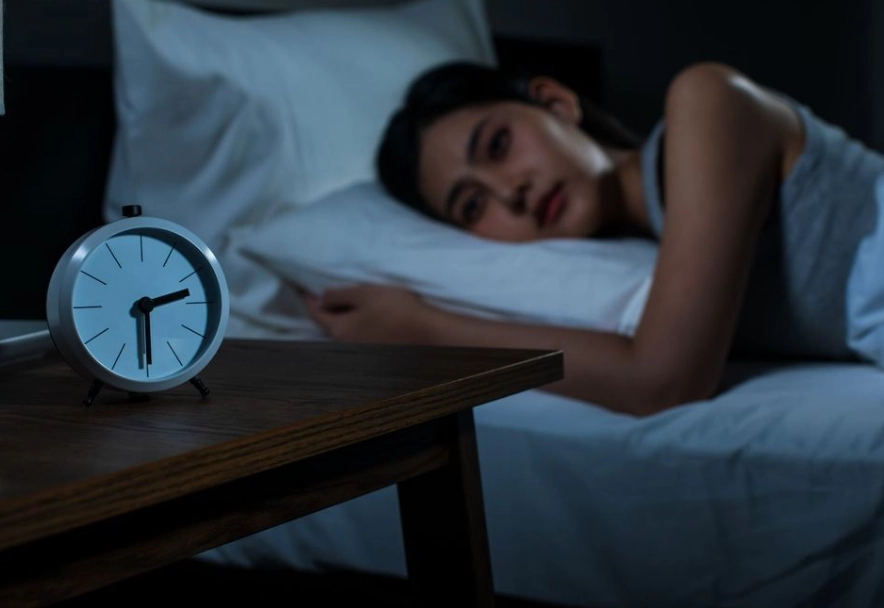
Taming the Midnight Mind: Stress & Anxiety
This is where the battle is often lost. You wake up, and your brain immediately jumps into problem-solving mode.
The Brain Dump: Don’t take your worries to bed. Keep a notebook by your bed. 30 minutes before sleep, write down everything on your mind—tasks, worries, ideas. The act of writing it down signals to your brain, “It’s noted. You can let go now.”
If You Wake Up Worrying: Do not look at your phone. Do not start planning your day. Instead, practice a mental technique. Try “cognitive shuffling”: think of a random category (e.g., “fruits that start with A”—apple, apricot, avocado…). It’s boring enough to stop anxious thoughts but engaging enough to distract you back to sleep.
Reframe the Awakening: Tell yourself, “This is normal. My body is just resting. I don’t need to be asleep right this second, I just need to be comfortable.” The pressure to sleep is what creates insomnia. Release the pressure.
What to Do If You Still Wake Up
You’ve done everything right, and you’re still awake at 3:17 AM. Now what? Have a plan.
The 20-Minute Rule: If you’ve been awake for more than 20 minutes, get out of bed. Go to another dimly lit room. Do something mindless and calm: read a dull book (no thrillers!), listen to a boring podcast, fold some laundry. Do not look at screens. The goal is to break the association between your bed and frustration. When you feel sleepy again, return to bed.
Keep the lights low. Don’t check the time. Clock-watching increases anxiety. Turn your clock away from you.
Your Sleep Through the Night Questions, Answered
Sleeping through the night isn’t about perfection. It’s about stacking the odds in your favor. Start with one thing from this guide—maybe the 4-7-8 breathing or the digital sunset—and build from there. Your bed should be a place of restoration, not frustration. You can reclaim that.
Reader Comments