You're lying in bed, staring at the ceiling. Your mind is racing, but your body is exhausted. Sound familiar? If you're searching for "what is the cause of sleeping problems," you're not just looking for a list of medical terms. You're searching for a real answer that explains your specific struggle. The truth is, sleep issues rarely have a single villain. They're usually a tangled web of habits, thoughts, biology, and environment. Let's untangle that web together.
Quick Navigation: What You'll Find Here
The Mind's Sabotage: Psychological & Emotional Causes
This is where it starts for most people. Your brain is supposed to power down for sleep, but sometimes it gets stuck in overdrive.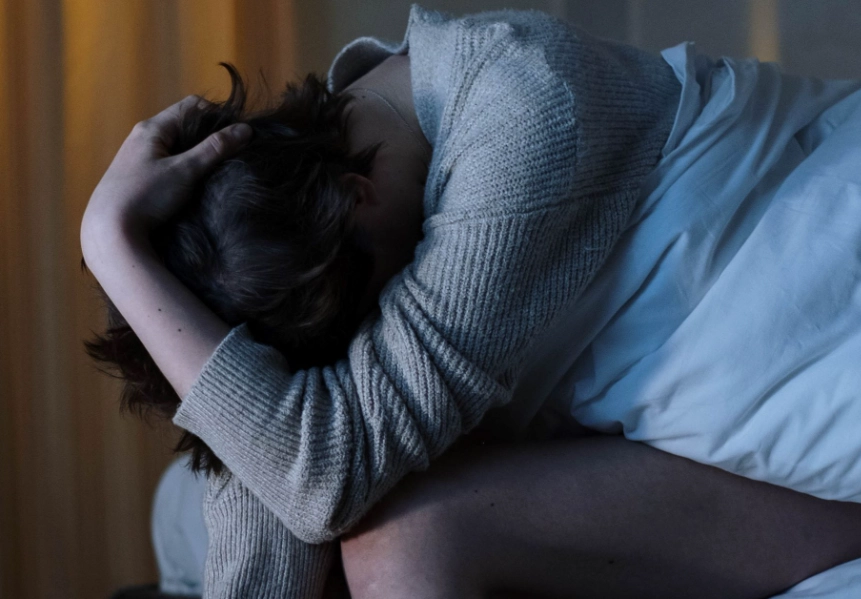
Stress and Anxiety: The Classic Culprits
Work deadlines, money worries, family drama. When stress hormones like cortisol stay elevated at night, they directly oppose sleep hormones like melatonin. It's a biological tug-of-war you can't win while lying down. But here's a subtle point everyone misses: it's not just big stress. The low-grade, constant background anxiety of modern life—checking emails, social media comparison, the news cycle—keeps your nervous system in a perpetual state of low-level alert. Your body never gets the "all clear" signal to fully relax.
Depression and the Sleep Cycle Disruption
Depression doesn't just make you sad; it rewires your sleep architecture. Often, it causes early morning awakening (wide awake at 4 AM with a sense of dread) or, conversely, excessive sleeping. The link is so strong that sleep disturbance is a core diagnostic criterion for major depressive disorder.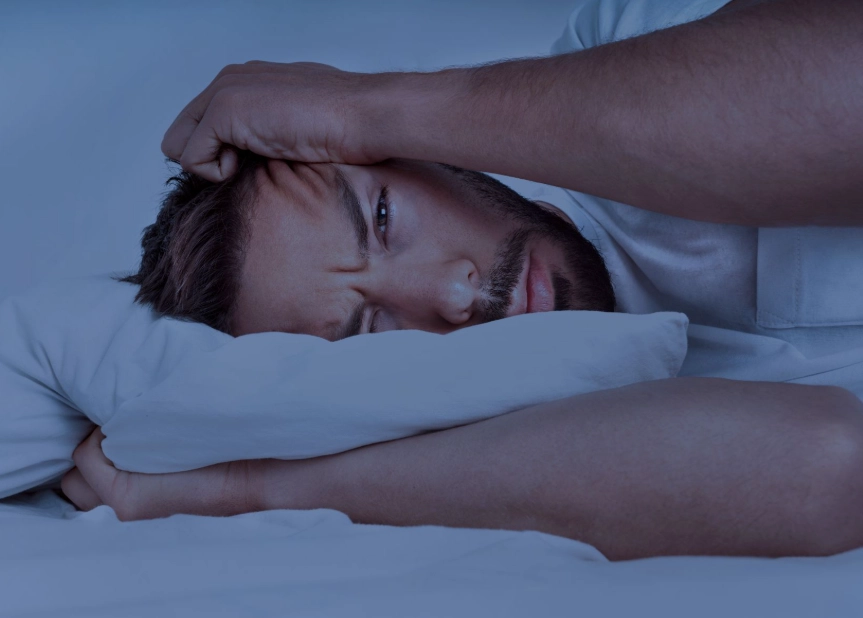
Rumination and the "Busy Brain"
This is the "can't turn off my thoughts" syndrome. You replay conversations, plan tomorrow, or worry about things you can't control. I had a client, a project manager, who couldn't sleep because her brain insisted on running through task lists. The breakthrough came when she realized it wasn't about the tasks—it was about a deeper fear of dropping the ball. We addressed the perfectionism, not just the to-do list.
Expert Insight: Many people try to "solve" their racing thoughts at night. That's the mistake. Problem-solving is an active, daytime brain activity. The goal at night is to disengage from problem-solving, not get better at it. This shift in mindset is crucial.
Daily Habits That Steal Your Sleep
You might be undermining your sleep without even knowing it. These are the silent sleep killers embedded in your routine.
| Habit | How It Disrupts Sleep | The Common Misstep |
|---|---|---|
| Irregular Sleep Schedule | Confuses your body's internal clock (circadian rhythm), making it unsure when to release melatonin. | "Catching up" on weekends. This is like giving your body jet lag every week. |
| Screen Time Before Bed | Blue light suppresses melatonin production. Engaging content stimulates the mind. | Using "night mode" and thinking it's enough. The mental stimulation is the bigger issue. |
| Caffeine & Nicotine | Stimulants that block sleep-inducing chemicals and can fragment sleep architecture. | Having coffee after 2 PM. Caffeine's half-life is 5-6 hours; afternoon coffee can still be active at bedtime. |
| Alcohol Before Bed | Initially sedating, but it metabolizes into chemicals that cause wakefulness and lighter sleep in the second half of the night. | Using it as a "sleep aid." It might get you to sleep faster, but it guarantees worse quality sleep. |
| Late, Heavy Meals | Your body is busy digesting instead of winding down. Can trigger acid reflux. | Going to bed hungry is also disruptive. The key is a light, balanced snack if needed. |
Look, I love coffee. But I learned the hard way that my 4 PM latte was the reason I'd wake up at 2 AM feeling oddly alert. It wasn't anxiety; it was bad timing.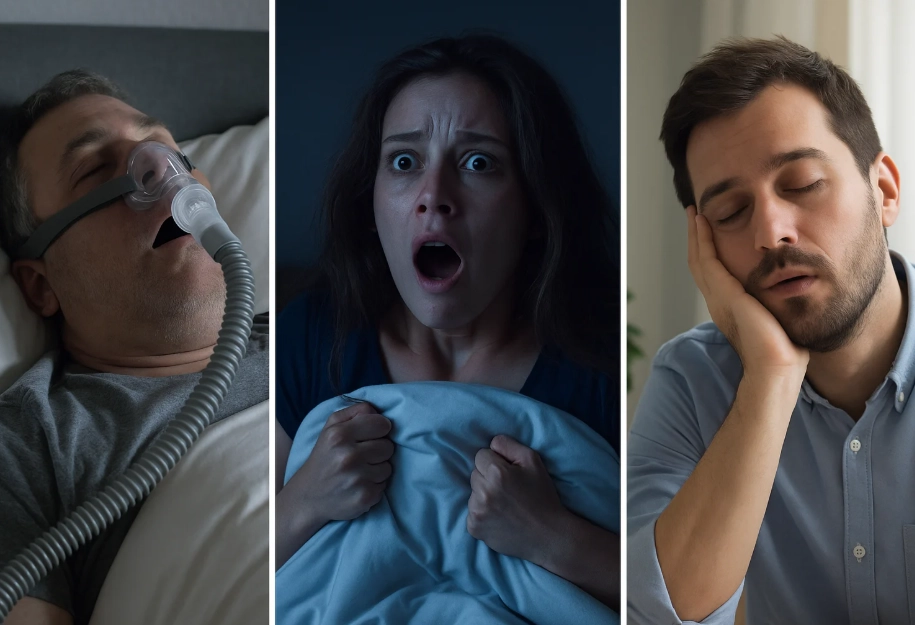
When Your Body is the Problem: Physical & Medical Causes
Sometimes, the issue isn't in your mind or habits—it's in your physiology. These causes often require a doctor's help to untangle.
Chronic Pain and Discomfort
Arthritis, back pain, headaches. It's obvious but worth stating: pain wakes you up. The struggle to find a comfortable position prevents deep sleep. The relationship is cyclical—poor sleep lowers your pain threshold, making the pain feel worse the next day.
Sleep Apnea and Breathing Disorders
This is a major, and often undiagnosed, culprit. Sleep apnea causes you to stop breathing momentarily, triggering a micro-awakening to restart breathing. You might not remember these awakenings, but they shatter your sleep cycle. Loud snoring, gasping for air, and daytime exhaustion are red flags. According to the American Academy of Sleep Medicine, millions of cases go undiagnosed.
Restless Legs Syndrome (RLS)
An irresistible urge to move your legs, usually accompanied by uncomfortable sensations. It strikes at rest, precisely when you're trying to fall asleep. It's more than just "fidgeting"; it's a neurological condition that can severely delay sleep onset.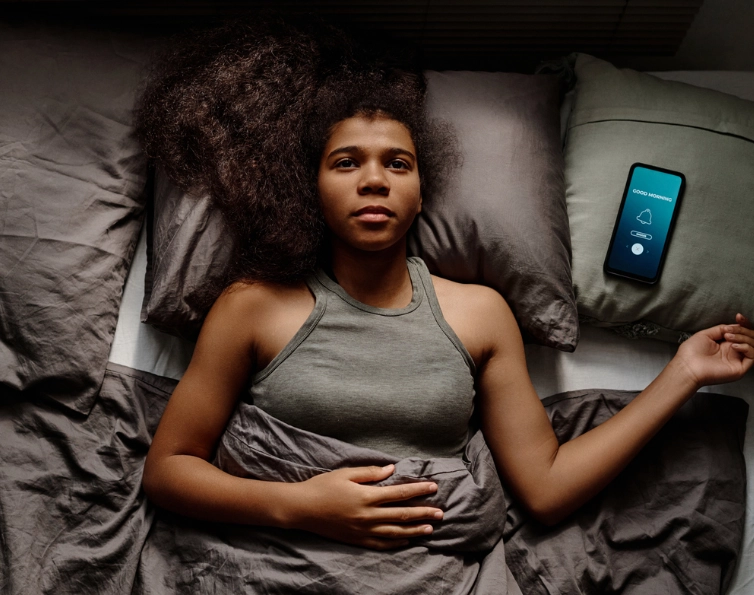
Hormonal Shifts and Imbalances
Women, in particular, face this during menstruation, pregnancy, and menopause. Fluctuations in estrogen and progesterone directly affect body temperature regulation and sleep stability. Hot flashes are a classic sleep disruptor.
Medication Side Effects
Always check the label. Common culprits include certain antidepressants, blood pressure medications, stimulants for ADHD, and even some over-the-counter cold medicines that contain pseudoephedrine.
A friend of mine spent years treating his insomnia with therapy, only to find out his new blood pressure medication was the primary trigger. A simple medication switch changed everything.
Your Bedroom: Friend or Foe?
Your sleep environment sends powerful signals to your brain. Is it signaling "safe haven" or "sensory minefield"?
Light: Even small amounts of light from street lamps or electronics can interfere with melatonin. Pitch black is ideal.
Noise: Irregular noises (traffic, a partner snoring) are more disruptive than constant white noise.
Temperature: Most people sleep best in a cool room, around 65-68°F (18-20°C). Your body needs to drop its core temperature to initiate sleep.
Your Mattress & Pillow: An old, unsupportive mattress can cause micro-awakenings due to discomfort you're not fully conscious of. If it's over 7-8 years old, it's worth assessing.
Reader Comments