You know the feeling. The alarm blares, you hit snooze for the third time, and you drag yourself out of bed feeling like you never slept at all. You got your seven or eight hours, so what went wrong? The answer often lies not in the quantity of sleep, but in the quality—and what you do in the hours leading up to it. That's where the 10-3-2-1-0 sleep rule comes in. It's a simple, memorable framework designed to prime your body and mind for deep, restorative sleep. Forget complex sleep trackers for a moment. This rule is about behavior.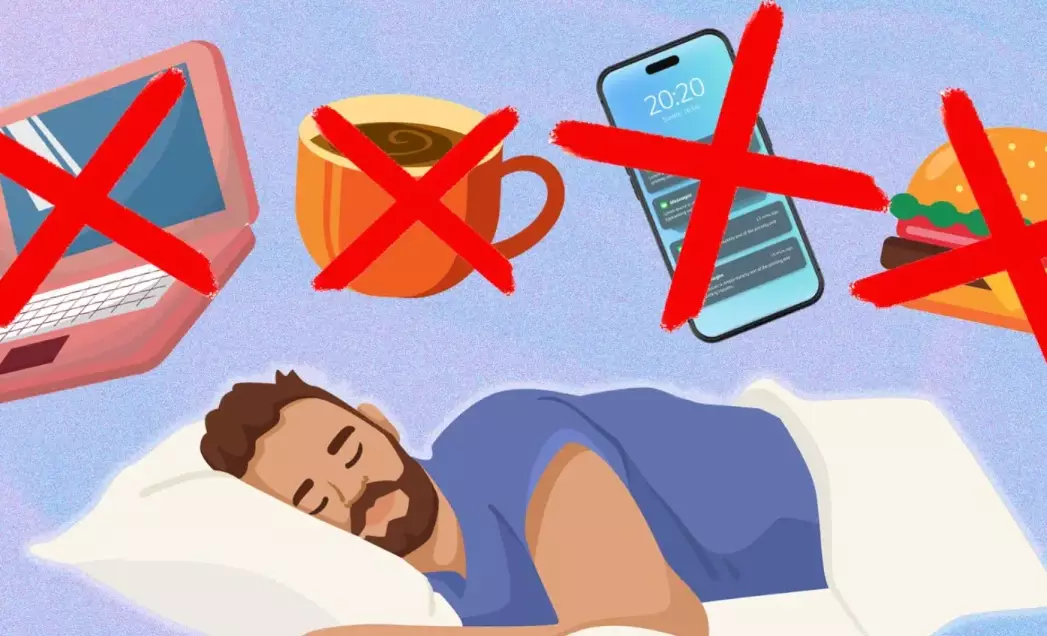
Your Quick Guide to the 10-3-2-1-0 Sleep Rule
What Exactly is the 10-3-2-1-0 Rule?
The 10-3-2-1-0 rule is a sleep hygiene countdown. It gives you clear deadlines to wind down your system before bed. Think of it as a flight checklist for a smooth landing into sleep.
Here’s what each number represents:
- 10 hours before bed: No more caffeine.
- 3 hours before bed: No more food or alcohol.
- 2 hours before bed: No more work.
- 1 hour before bed: No more screens.
- 0: The number of times you hit the snooze button.
It sounds strict, but its power is in its simplicity. It addresses the major sleep disruptors—stimulants, digestion, stress, blue light, and fragmented sleep—in one easy-to-remember package. Most people fixate on the "1 hour no screens" part, but the real magic often happens with the earlier steps that nobody talks about.
Breaking Down Each Number: The "Why" Behind the Countdown
Let's pull each number apart. Understanding the reason makes it easier to stick to.
10 Hours Before Bed: The Caffeine Cut-off
This is the step most people get wrong. You think your 3 PM coffee is harmless because you fall asleep fine. The problem isn't falling asleep; it's the quality of the sleep you get.
Caffeine has a half-life of about 5-6 hours. If you have 100 mg of caffeine at 3 PM, around 50 mg is still circulating in your system at 9 PM. This adenosine blockade can significantly reduce deep sleep (slow-wave sleep) and REM sleep, even if you're unconscious. You wake up less restored.
3 Hours Before Bed: Food & Alcohol Free Zone
Eating a large meal too close to bedtime forces your digestive system to work overtime when it should be winding down. This can cause discomfort, acid reflux, and a higher core body temperature—all enemies of sleep onset. Alcohol is a double-edged sword. It's a sedative, so it helps you fall asleep, but it metabolizes into chemicals that fragment the second half of your sleep, causing frequent awakenings and ruining REM sleep. That 3 AM wake-up? Often thanks to that nightcap.
2 Hours Before Bed: The Work Shutdown
This isn't just about closing your laptop. It's about stopping stress-inducing mental activity. Answering emails, planning tomorrow's stressful meeting, or even having a heated discussion activates your sympathetic nervous system (the "fight or flight" system). Cortisol and adrenaline spike. You can't just flip a switch from that state to sleep mode. Your brain needs a runway to descend. The 2-hour buffer allows your stress hormones to drop and your mind to disengage.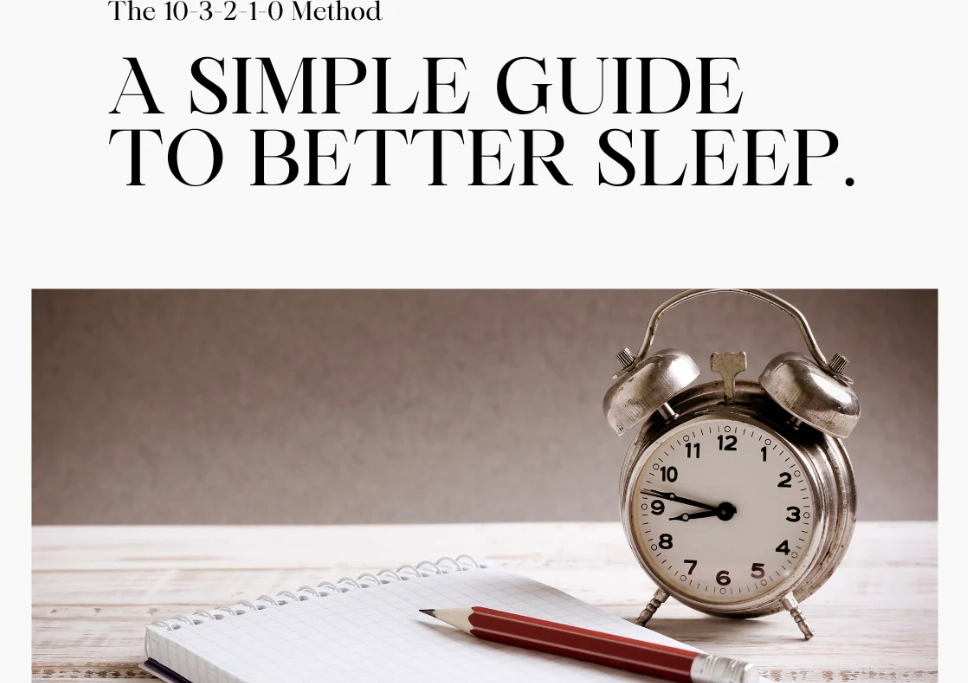
1 Hour Before Bed: Screen Sunset
You've heard it before: blue light suppresses melatonin. But it's more than just the light. Scrolling through social media or news triggers emotional responses—anxiety, FOMO, excitement. You're feeding your brain stimulating content right when it needs calm. The one-hour rule is about creating a psychological and physiological buffer. Read a physical book, listen to a podcast (not a thrilling true crime one!), take a warm shower, or do some gentle stretching.
0 Snoozes: The Final Commandment
Hitting snooze feels like a gift, but it's a trap. Those 9-minute fragments of light, poor-quality sleep leave you with sleep inertia—that groggy, disoriented feeling. You're training your brain that the alarm isn't the final signal to wake up, undermining your entire sleep schedule. Getting up at the first alarm, even if it's hard, leads to clearer alertness faster.
How to Actually Implement the 10-3-2-1-0 Rule (A Practical Plan)
Knowing the rule is one thing. Living it is another. Don't try to do it all at once. That's a recipe for failure. Here’s a phased, practical approach.
Week 1: Master the Bookends. Focus only on the "10" (caffeine cutoff) and the "0" (no snooze). Set a phone reminder for your caffeine curfew. Move your alarm clock across the room to force yourself out of bed. Nail these two.
Week 2: Add the Evening Wind-Down. Now tackle the "1" (no screens). Charge your phone outside the bedroom. Get an old-school alarm clock. Your one-hour pre-bed ritual becomes sacred time.
Week 3: Lock in the Middle. Finally, address the "3" (no food/alcohol) and "2" (no work). Plan your dinner time. Set a hard stop for work-related tasks and mentally taxing chores. Use the 2-hour window for truly relaxing activities.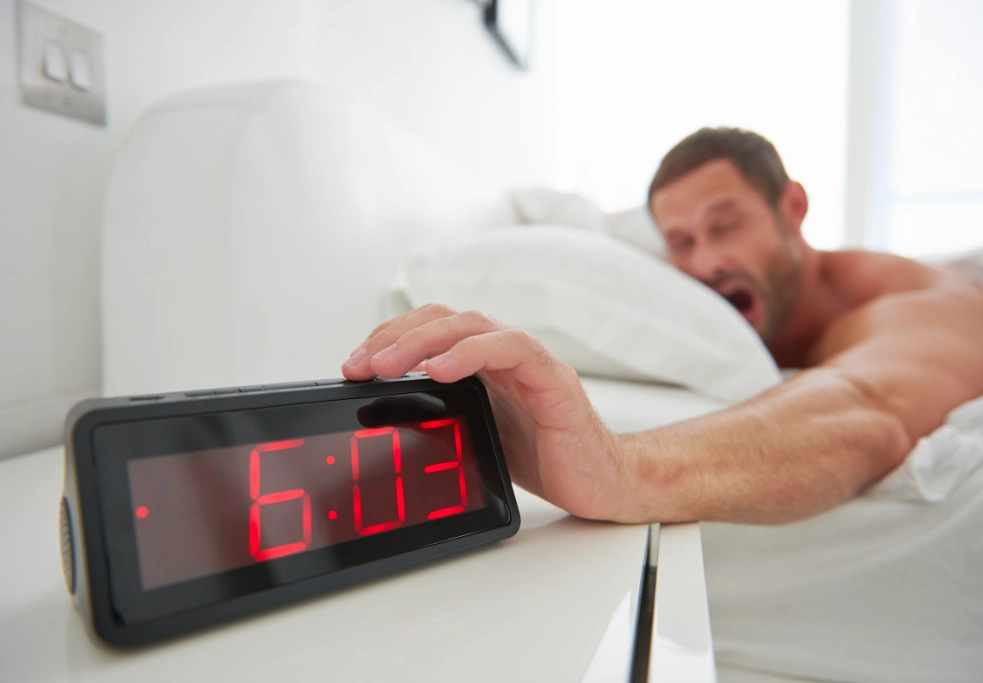
Here’s a visual schedule for someone targeting an 11 PM bedtime:
| Time | 10-3-2-1-0 Rule Step | Do This Instead of That |
|---|---|---|
| 1:00 PM | 10 hours to go: Last caffeine. | Switch to herbal tea, decaf, or water. No more coffee, black tea, or cola. |
| 8:00 PM | 3 hours to go: Last meal/snack. | Finish dinner. If hungry later, a tiny, bland snack (e.g., a few almonds) is okay, but ideal is nothing. |
| 9:00 PM | 2 hours to go: Stop work & stress. | Close the laptop. No more budgeting, intense planning, or serious discussions. Time for light chores or relaxation. |
| 10:00 PM | 1 hour to go: Screens off. | Phone/TV/tablet goes away. Read a book, listen to calm music, take a warm bath, meditate. |
| 11:00 PM | Bedtime. | Lights out, aiming to fall asleep. |
| 7:00 AM | 0 snoozes: Wake up. | Alarm goes off. Get up immediately. Expose yourself to bright light. |
Is the 10-3-2-1-0 Rule Backed by Science?
The rule itself isn't a singular studied protocol, but each component is strongly supported by sleep science. It's a clever packaging of established sleep hygiene principles from organizations like the American Academy of Sleep Medicine and research published in journals like *Sleep*.
The 10-hour caffeine guideline aligns with studies on caffeine's long half-life and its impact on sleep architecture. The 3-hour food rule is supported by research linking late eating to disrupted sleep and metabolic changes. The screen ban is grounded in countless studies on blue light's suppression of melatonin secretion. The concept of a relaxing pre-sleep routine is a cornerstone of Cognitive Behavioral Therapy for Insomnia (CBT-I), the gold standard non-drug treatment for sleep problems.
So, while you won't find a paper titled "The Efficacy of the 10-3-2-1-0 Rule," its parts are evidence-based. Its strength is in actionable specificity—telling you not just "avoid stimulants," but exactly when.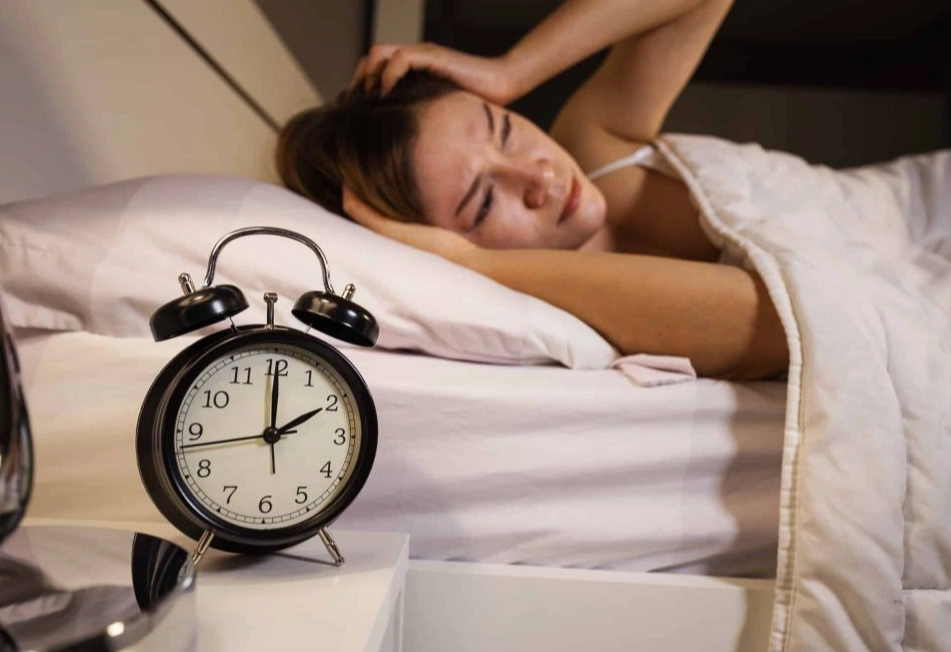
Common Questions and Expert Tweaks
Let's get into the nitty-gritty. Real life isn't perfect, and you'll have questions. Here are answers that go beyond the basic rule.
Absolutely, but you need to flip the timeline. Your "10 hours before bed" starts 10 hours before your daytime sleep. The key is consistency relative to your sleep window. The most important part for shift workers is the 1-hour screen blackout and creating a pitch-black, cool sleeping environment during the day. Light exposure is your primary challenge in resetting your internal clock for daytime sleep.
The "3-hour" rule is about heavy meals. A small, sleep-friendly snack about an hour before bed is often fine and can even help if hunger is keeping you awake. Think of something with a little protein and complex carbs, like a small bowl of plain yogurt, a banana, or a slice of whole-grain toast with a thin spread of almond butter. Avoid sugar, spicy foods, or large portions.
 Is the "no work" rule too rigid? What about calming activities like journaling?
This is a crucial distinction. The rule means no stressful or demanding work. Reflective journaling, gentle planning for the next day (like picking out clothes), or reading for pleasure are excellent wind-down activities. The goal is to stop the cognitive load associated with job performance, problem-solving, or conflict. If an activity lowers your heart rate and quiets your mind, it fits perfectly in the 2-to-1-hour window.
Good glasses help a lot with the melatonin suppression issue, but they don't address the cognitive stimulation problem. Scrolling, gaming, or emailing is still engaging your brain in an active, alert state. My advice? Use the glasses if you must be on a screen late, but still try to institute at least a 30-minute screen-free buffer right before lights out. Use that time for a completely passive activity.
Place your alarm (or phone) far enough from your bed that you have to stand up to turn it off. Once you're up, go straight to the bathroom and splash cold water on your face, or step outside for 30 seconds of morning light. This disrupts the sleep inertia cycle. Also, ensure your bedtime is early enough that you're not severely sleep-deprived. The snooze button is most tempting when you're chronically short on sleep.
 The 10-3-2-1-0 rule isn't a magic spell, but it is a powerful framework. It won't solve clinical sleep disorders, but for the vast majority of people struggling with unrefreshing sleep, it provides clear, sequential guardrails. Start with one number. Master it. Then add another. Pay close attention to how you feel in the morning after a week of sticking to the caffeine cutoff. Notice the difference when you actually protect that last screen-free hour. Small, consistent actions based on this simple countdown can transform your sleep from a frustrating necessity into a reliable source of daily renewal.
Reader Comments