You're lying in bed, mind racing, and the clock is ticking closer to morning. You've heard about sprays that promise to knock you out. A quick spritz on your pillow and you're supposedly drifting off. But what spray actually makes people sleep? Is it magic, marketing, or something in between? Let's cut through the hype. The sprays that help people sleep typically contain ingredients like lavender essential oil, melatonin, or CBD, and they work by signaling to your brain and body that it's time to wind down. But not all sprays are created equal, and some can be a waste of money—or worse, risky.
What You'll Discover
How Do Sleep Sprays Actually Work?
They don't work like a general anesthetic. You won't be unconscious in 60 seconds. Instead, most sleep sprays use one or two pathways: your sense of smell (olfactory) or absorption through your skin/mucous membranes.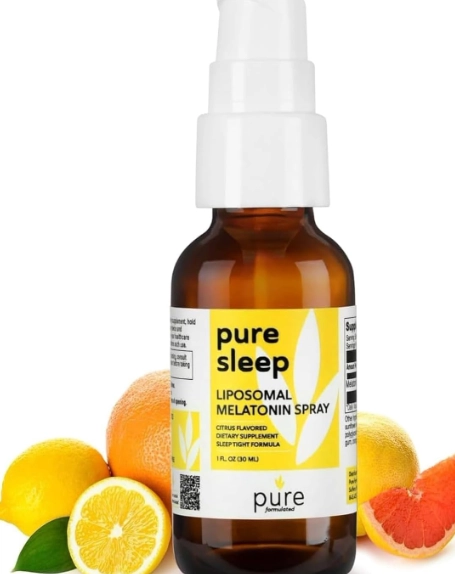
Think of your nose as a direct highway to the part of your brain that controls emotions and memories—the limbic system. When you inhale a calming scent like lavender, it can directly lower your heart rate and blood pressure, shifting your nervous system from "fight-or-flight" to "rest-and-digest." It's a physiological cue. Other sprays with melatonin or CBD aim to be absorbed to supplement your body's own sleep-regulating chemicals.
The biggest mistake people make? Using the spray as a last-resort magic bullet at 3 AM. By then, your stress hormones are already sky-high. These sprays work best as part of a pre-sleep ritual, signaling your brain that the day is over, maybe 30-60 minutes before you want to sleep.
The 3 Most Common Types of Sleep Sprays
Walking down the aisle, you'll see dozens of options. They generally fall into three buckets. Here’s what’s really in them.
| Type of Spray | Key Active Ingredients | How It's Meant to Work | Best For... | Important Notes |
|---|---|---|---|---|
| Essential Oil / Aromatherapy Sprays | Lavender, Chamomile, Bergamot, Sandalwood, Valerian Root extract | Inhalation calms the limbic system, reduces anxiety and arousal. | People with mild sleep anxiety, those who enjoy calming scents, creating a bedtime ritual. | Quality varies wildly. Pure essential oils are key. Synthetic fragrances won't have the same effect and may irritate. |
| Melatonin Sprays | Melatonin (usually 1-5 mg per spray), sometimes with added magnesium or L-Theanine. | Absorbed orally (mouth spray) to supplement the body's natural sleep hormone, resetting the sleep-wake cycle. | Jet lag, shift work disorder, or those with a delayed sleep phase. Short-term use for resetting schedule. | Not a sedative. It tells your brain "it's night time." Can cause grogginess if dose is too high or timing is off. |
| CBD Sprays | Cannabidiol (CBD) isolate or broad-spectrum extract, often paired with calming terpenes. | Interacts with the body's endocannabinoid system, which may help regulate stress response and promote relaxation. | Those with sleep issues linked to chronic stress, pain, or anxiety. Users seeking a non-psychoactive option. | Regulation is patchy. Look for third-party lab tests (COA) to verify potency and lack of THC/contaminants. |
I've tried all three types. The lavender ones are pleasant but subtle—they won't silence a truly anxious mind. The melatonin spray worked too well once; I took it too late and felt like a zombie the next morning. Lesson learned. CBD sprays are the most expensive gamble, as effects vary dramatically from person to person.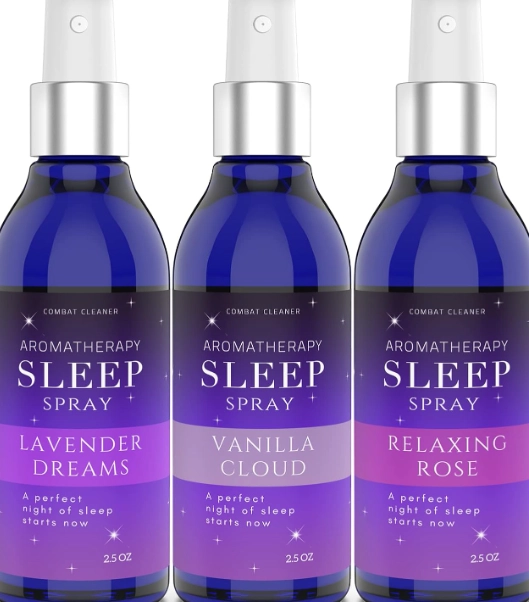
Safety and Side Effects: What Nobody Tells You
Because many are sold as "wellness" or "cosmetic" products, the assumption is they're 100% safe. That's not always true.
Melatonin sprays are a supplement. In many countries, supplements are not tightly regulated by agencies like the FDA for safety and efficacy before they hit shelves. A 2017 study in the Journal of Clinical Sleep Medicine found that the melatonin content in over 70% of supplements didn't match the label, sometimes containing significantly more or less.
Potential side effects people don't talk about:
For melatonin: Vivid dreams or nightmares, morning grogginess, low blood pressure, and potential interaction with blood thinners and diabetes medications. It's a hormone, not a candy.
For essential oil sprays: Skin or respiratory irritation, especially if you have allergies or asthma. Some oils are phototoxic. And "natural" doesn't mean non-toxic to pets—certain oils like tea tree, peppermint, and citrus can be harmful to cats and dogs.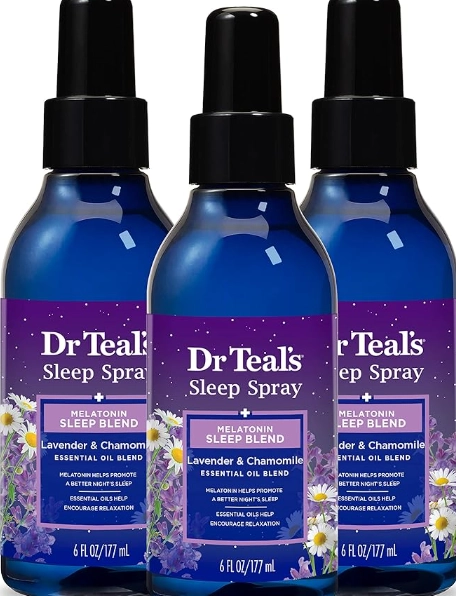
For CBD sprays: Dry mouth, dizziness, changes in appetite. The biggest risk is an unverified product containing more THC than advertised (which could cause intoxication) or harmful contaminants like pesticides.
The rule is simple: treat these sprays like you would any active ingredient. Read the label, start with a low dose, and talk to your doctor if you're on other medications.
How to Choose the Right Sleep Spray for You
Don't just grab the prettiest bottle. Ask yourself these questions first.
What's the root of your sleep trouble? Is it a racing mind (anxiety), a messed-up schedule (circadian rhythm), or physical discomfort? Match the spray to the cause. Anxiety → Lavender/Chamomile spray. Schedule problem → Low-dose melatonin spray. General tension → Maybe a CBD spray.
Read the ingredient list, not just the front. For aromatherapy sprays, the first ingredient should be water or a base like glycerin, followed by the actual essential oils. If it just says "fragrance" or "parfum," it's a perfume, not a therapeutic spray. For melatonin/CBD, check the mg per serving.
Look for transparency. Reputable brands will list all ingredients clearly and may provide third-party Certificates of Analysis (for CBD) or mention they use pure, therapeutic-grade oils.
My personal checklist: No artificial colors or synthetic fragrances. A clear dosage on active ingredients. And reviews that mention effectiveness beyond just "smells nice."
Pro Tip: Before buying a full-size bottle, see if the brand sells a small travel size. It's a cheap way to test if the scent agrees with you or if the formula works without committing to a large, expensive bottle you'll never finish.
What to Do If a Sleep Spray Isn't Enough
A spray is a tool, not a cure. If you're relying on it every single night and still struggling, the spray is just masking a larger sleep hygiene issue. I've been there.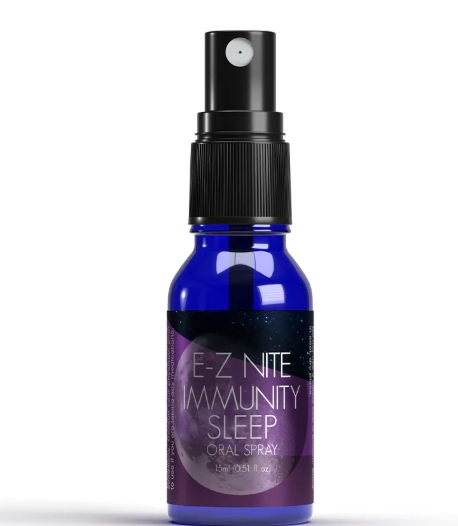
Think of the spray as the icing on a (hopefully solid) sleep cake. The cake itself is your daily habits:
Light exposure: Get bright light first thing in the morning. Dim lights and avoid screens 1-2 hours before bed. This is more powerful for regulating your sleep cycle than any melatonin spray.
Wind-down routine: The spray should be the final step in a 30-60 minute routine that tells your brain "work is over." This could be reading a physical book, gentle stretching, or listening to calm music.
Bedroom environment: Cool, dark, and quiet. A spray can't fix a room that's 75°F (24°C) with streetlight pouring in.
If you've optimized all this and still have chronic insomnia (trouble falling or staying asleep most nights for over a month), it's time to see a doctor or a sleep specialist. You might be dealing with sleep apnea, restless legs syndrome, or a clinical anxiety disorder that requires professional treatment.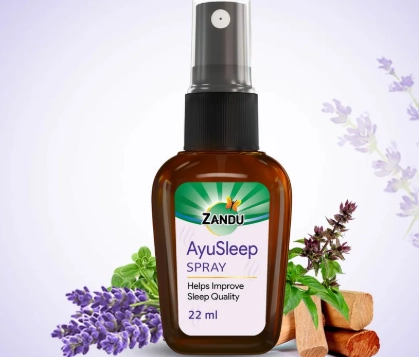
Your Sleep Spray Questions Answered
Can you become dependent or addicted to sleep sprays?
Physical addiction to essential oil or CBD sprays is highly unlikely. The risk is psychological dependence—the belief that you "can't" sleep without the ritual of the spray. With melatonin sprays, there's some debate. While not addictive in the classic sense, your body might reduce its own natural melatonin production if you use high doses chronically, making it harder to sleep when you stop. The key is to use them intermittently, not as a nightly crutch.
Are sleep sprays safe to use with children?
This requires extreme caution. Never give a child a melatonin spray without explicit pediatrician guidance. Their developing endocrine systems are sensitive. For aromatherapy sprays, heavily diluted lavender might be considered by some, but many essential oils are not recommended for young children due to sensitivity and risk of allergic reaction. A safer alternative is a plain water mist or focusing on non-spray bedtime routines like reading and a consistent schedule.
How long before bed should I use a melatonin spray versus a lavender pillow spray?
Timing is everything and most people get it wrong. For a sublingual melatonin spray, take it 30-60 minutes before your target bedtime. It needs time to be absorbed and signal to your brain that night is coming. For a lavender pillow spray, you can use it right as you get into bed as part of your final wind-down. Its effect via smell is almost immediate but shorter-lasting, designed to calm you in the moment as you try to fall asleep.
I bought a sleep spray and it did nothing. Did I get a dud?
Not necessarily. Expectations are often too high. These are subtle aids, not potent pharmaceuticals. If it was an aromatherapy spray, you might not respond to that particular scent blend—lavender doesn't work for everyone. If it was melatonin, your sleep issue might not be related to your circadian rhythm. Also, if your sleep environment and habits are poor, no spray can overcome that. Consider it one piece of a puzzle. If one type fails, you might try another category, but also audit your overall sleep hygiene.
So, what spray makes people sleep? The answer isn't one magic bottle. It's about finding the right type—be it lavender, melatonin, or CBD—that aligns with your specific sleep challenge, using it correctly and safely as part of a broader commitment to good sleep habits. They can be a helpful nudge toward relaxation, but they're not a substitute for treating the root causes of chronic sleeplessness. Start with the spray that matches your need, but don't forget to bake the sleep cake, too.
Reader Comments