You’re staring at the ceiling, mind racing. It’s 2 AM. You’ve tried counting sheep, warm milk, even putting your phone away. Nothing works. The idea of falling asleep in one minute sounds like a cruel joke. I thought the same thing. After years of battling insomnia, I stumbled upon a technique reportedly used by the military to help pilots fall asleep under extreme stress. Skeptical, I tried it. The first night, it took about five minutes. By the third, I was out before I finished the sequence. The secret isn’t a pill or a gadget—it’s a deliberate, physiological hack that taps into your body’s built-in relaxation system.
What You'll Learn Inside
The Science Behind Falling Asleep Fast
Sleep isn’t a light switch you flip. It’s a process your body initiates when certain conditions are met. The main gatekeeper is your nervous system. You have two modes: sympathetic (fight-or-flight, alert) and parasympathetic (rest-and-digest, calm). Insomnia is often just your sympathetic system stuck in high gear.
The goal of any rapid sleep technique is to forcefully activate the parasympathetic system. The most direct lever we have for this is breathing. Slow, controlled breathing, especially with extended exhalation, sends a powerful signal to your brainstem that says, “Stand down. We’re safe.” It slows your heart rate and lowers blood pressure, creating the exact physical state conducive to sleep.
A study published in the journal Frontiers in Human Neuroscience supports this, showing that paced breathing can directly influence autonomic nervous system activity. The military method, often called the “4-7-8” technique, is essentially a structured breathing exercise designed to maximize this effect.
Here’s the non-consensus part most articles miss: The breathing isn’t just about oxygen and CO2. The real magic is in the mental focus it demands. When you’re meticulously counting to seven, you can’t simultaneously worry about your work deadline or replay an awkward conversation. It’s a cognitive distraction tool that happens to have profound physiological benefits. If you just do the breathing while still mentally scrolling through your to-do list, it will fail.
The 1-Minute Military Method: Step-by-Step
Let’s break down the exact sequence. Don’t just read it—imagine doing it as you go.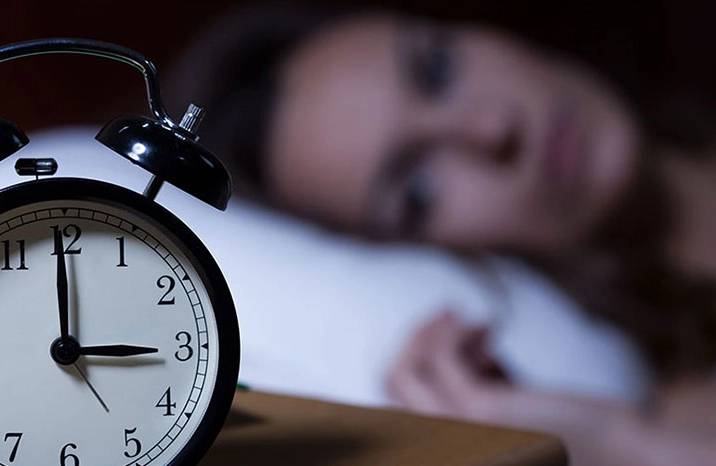
Step 1: Prepare Your “Battle Station”
This isn’t just about lying down. Get your posture right. Lie flat on your back in bed. Arms at your sides, palms facing up. Let your feet fall apart naturally. This open position prevents muscle tension. If you can’t sleep on your back, the next best is on your side. The key is symmetry and lack of strain.
Step 2: The Breathing Sequence (4-7-8)
Close your mouth gently. Place the tip of your tongue against the ridge of tissue just behind your upper front teeth. Keep it there for the whole exercise.
- Inhale silently through your nose for a slow count of 4.
- Hold your breath for a count of 7.
- Exhale completely through your mouth, making a gentle “whoosh” sound, for a count of 8.
That’s one cycle. Repeat this cycle three more times, for a total of four breaths.
Timing is more important than perfection. If holding for 7 feels impossible, use a shorter ratio but keep the proportion: 4-5-6, or even 3-4-5. The extended exhale is the most critical part.
Step 3: The Full Body Scan & Release
After the four breaths, don’t just stop. This is where people mess up. Now, conduct a rapid mental scan from head to toe.
Start at your forehead. Consciously tell those muscles to relax. Feel them go slack. Move to your eyes, cheeks, jaw (unclench it right now). Drop your shoulders away from your ears. Feel your chest soften. Let your stomach muscles go. Feel your hips sink into the mattress. Relax your thighs, calves, all the way to your toes.
The entire process—four breathing cycles and the body scan—should take about 60-90 seconds. Your job is not to “try” to sleep. Your job is to execute the steps with precision. Sleep is the side effect.
Why It Fails & How to Fix It
I’ve taught this to friends. The ones who say “it didn’t work” usually make one of three errors.
| Common Mistake | Why It Blocks Sleep | The Expert Fix |
|---|---|---|
| Rushing the counts | Doesn’t trigger parasympathetic shift. You’re just doing shallow breathing. | Use a metronome app set to 60 BPM. One count per beat. This enforces the slow pace. |
| Skipping the body scan | Your mind is calm but body is still tense. Physical tension keeps the nervous system alert. | Spend an extra 30 seconds on the scan. Focus on areas you hold stress—jaw, neck, shoulders. |
| “Testing” if you’re asleep | This is active mental monitoring, the opposite of relaxation. You’re playing sleep police. | Adopt the mindset: “My only task is to follow the steps. Whatever happens after is fine.” |
Another unspoken truth? This method works best when paired with decent sleep hygiene. Trying to fall asleep in one minute after three cups of coffee and scrolling through thrilling news is an uphill battle. The method is your emergency brake, but you still need to drive the car responsibly.
Supporting Habits for Lightning-Fast Sleep
Think of the 1-minute method as your knockout punch. These habits set up the perfect conditions for it to land.
The 60-Minute Wind-Down Protocol: This is non-negotiable. Your brain needs a runway. - **Minute 0-30:** Do something boring. Read a physical book (non-thriller). Listen to calm, instrumental music. Fold laundry. - **Minute 30-45:** Dim all lights. Avoid overhead lights. Use lamps. This stimulates melatonin production. - **Minute 45-60:** Get into bed. Do a 5-minute “brain dump.” Write every thought, worry, or idea on a notepad by your bed. Close the notebook. This gets the mental chatter out of your head and onto paper, where it can wait until morning.
Environment Tweaks Most People Ignore: - **Temperature:** The ideal room temperature for sleep is around 65°F (18.3°C). A cool room helps lower your core body temperature, a key sleep signal. - **Sound:** Total silence can make you focus on internal noise (tinnitus, thoughts). Use a fan, a white noise machine, or a simple app playing brown noise (deeper than white noise). - **Light:** Even tiny LED lights from chargers can interfere. Use blackout curtains or a comfortable sleep mask. I resisted a mask for years, thinking it was fussy. It was a game-changer.
What You Consume Matters: - Caffeine has a half-life of 5-6 hours. That 3 PM coffee? Half of it is still in your system at 9 PM. Cut-off by 2 PM is safer. - Alcohol might make you pass out, but it destroys sleep architecture, especially the second half of the night. You wake up unrefreshed. - A small, high-protein snack before bed (like a handful of almonds) can stabilize blood sugar and prevent nighttime waking.
Your Top Sleep Questions, Answered
Can I use the 1-minute sleep method if I have anxiety?
It's actually one of the best tools for anxiety-induced insomnia. The structured breathing directly counters the rapid, shallow breathing of an anxiety spiral. The key is to view the exercise as a task to complete, not a test you must pass. If your mind wanders to an anxious thought, gently note "thinking" and return to counting the breath. It's a form of mindfulness meditation in action.
What if I fall asleep before finishing the four breaths?
Congratulations, you've won. That's the goal. There's no prize for completing the set. The sequence is a vehicle to reach sleep. If you conk out after two cycles, the method worked perfectly. Don't stress about finishing.
Is it safe to do the 4-7-8 breathing multiple times a day?
Absolutely. Many people use it as a general stress-relief tool during the day. Doing a cycle or two at your desk can reset your nervous system. It's not just for bedtime. Regular practice also makes you more proficient, so it works faster when you really need it at night.
I share a bed with a partner who snores. How can I fall asleep fast in that noise?
This is a brutal combo. First, address the environment. High-fidelity earplugs (like ones meant for musicians) or a white noise machine placed on your side of the bed can mask the sound more effectively than generic foam plugs. Then, use the military method. The intense focus on your own breath and body sensations will help draw your attention inward, away from the external noise. It trains your brain to treat the sound as irrelevant background data.
Will this method work if I'm a chronic night owl trying to shift my schedule?
It will help you fall asleep once you're in bed, but it won't change your underlying circadian rhythm. For that, you need light therapy. Get bright light (preferably sunlight) within 30 minutes of your target wake-up time. This is the strongest signal to reset your internal clock. Combine that with the military method at your new, earlier bedtime. The first few nights will be tough, but the breathing technique will help you quiet the "but I'm not tired" thoughts.
The promise of falling asleep in one minute isn't an empty clickbait headline. It's a trainable skill based on solid physiology. The military method is your drill. You won't be perfect on day one. You might lose count, get distracted, or feel silly. That's normal. The goal is consistency, not perfection. Stick with the steps for two weeks. Track it. Most people I've coached see a dramatic reduction in sleep onset time within that period. Your bed should be a place for rest, not relentless mental struggle. Take back control, one breath at a time.
Reader Comments