You're staring at the ceiling again. The clock says 2:47 AM, and your mind is racing about tomorrow's meeting, that unpaid bill, or nothing at all. You've tried counting sheep, but now you're just worried about the shepherd's mortgage. Sound familiar? Before you reach for another pill or resign yourself to a life of fatigue, let's talk about what really works at home. I've spent over a decade coaching people through sleep issues, and the biggest mistake I see is jumping to solutions without understanding the 'why' behind the sleeplessness. This guide cuts through the noise and gives you actionable, natural strategies that address the root cause.
What's Inside This Guide
Understanding Your Sleep Problem First
Not all insomnia is created equal. Treating trouble falling asleep the same way you treat waking up at 3 AM is like using a hammer to fix a leaky faucet. The American Academy of Sleep Medicine broadly categorizes insomnia, but at home, you need to be your own detective.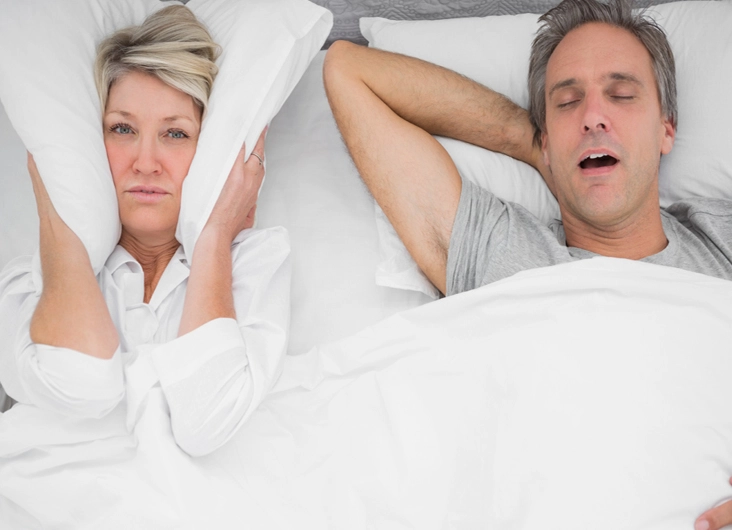
Ask yourself these questions for a week:
- Do I struggle to initiate sleep (taking more than 30 minutes)?
- Do I maintain sleep (waking up multiple times)?
- Do I wake up too early and can't get back to sleep?
- What's my mind doing when I can't sleep? Worrying? Replaying conversations? Blank but alert?
This isn't busywork. If your issue is initiation, your remedies will focus heavily on the pre-bed routine and environment. If it's maintenance or early waking, we need to look deeper at stress hormones, blood sugar, or even sleep apnea. I had a client who drank "sleepy time" tea for months with no luck. When we tracked her patterns, she was falling asleep fine but waking up drenched in sweat at 4 AM. The tea did nothing because the problem was nocturnal anxiety, not relaxation. We shifted to daytime stress management, and her sleep consolidated within two weeks.
The Bedroom Environment: Your Sleep Sanctuary
Your bedroom should cue your brain for one thing only: sleep. Most people get this wrong by making it a multi-purpose room for work, entertainment, and worry.
The Light, Temperature, and Sound Trifecta
Light is priority number one. Blue light from screens suppresses melatonin, the sleep hormone. But it's not just screens. That bright LED alarm clock or streetlamp outside your window matters. Use blackout curtains. I recommend ones with side tracks to eliminate all light bleed. Cover or turn away any electronic lights. In the last hour before bed, use dim, warm-toned lamps.
Temperature is non-negotiable. The National Sleep Foundation states the ideal room temperature for sleep is between 60-67°F (15-19°C). Your core body temperature needs to drop to initiate sleep. A hot room prevents this. If you can't control the thermostat, focus on bedding. Ditch the heavy comforter for layers. A moisture-wicking base layer (like cotton or bamboo), a light blanket, and a removable top layer gives you control.
Sound should be consistent or absent. Total silence can make minor noises startling. A white noise machine or a simple fan creates a consistent auditory blanket. There's a free app I often suggest called "myNoise" that lets you customize soundscapes. Rain or brown noise works better for many than pure white noise.
How to Establish a Wind-Down Routine That Actually Works
A wind-down routine isn't just "read a book." It's a deliberate, consistent signal to your nervous system that the day is over. The key is starting it early enough. Trying to unwind in 10 minutes after watching an intense thriller is futile.
Start 60-90 minutes before your target bedtime. Here's a sample structure that's flexible:
- Minute 0-30: "Shutdown" tasks. Prep lunch for tomorrow, tidy the living room, write down any lingering thoughts in a worry journal. Get tomorrow's outfit ready. This closes open loops in your mind.
- Minute 30-60: "Transition" activities. Take a warm (not hot) bath or shower. The rise and subsequent fall in body temperature promotes drowsiness. Then, move to low-light activities: gentle stretching (not vigorous yoga), listening to calm music or an audiobook, or reading a physical book (fiction is usually better than non-fiction).
- Minute 60+: "Final descent." Get into bed. Practice a brief breathing exercise (like the 4-7-8 method: inhale 4, hold 7, exhale 8). Lights out.
The consistency is more important than the specific activities. Doing this sequence tells your body it's safe to power down.
Diet and Nutrition: Your Secret Sleep Weapons
What you eat and drink has a massive impact on sleep architecture. Caffeine and alcohol are the usual suspects, but timing and combination matter more than people think.
Caffeine's half-life is about 5-6 hours. That means if you have a coffee at 3 PM, half the caffeine is still in your system at 8-9 PM. For sensitive individuals, it can disrupt sleep even if you fall asleep. I advise a hard cutoff at least 8 hours before bedtime. That means no coffee, black tea, green tea, or dark chocolate after lunch.
Alcohol is a sedative, not a sleep aid. It may help you fall asleep faster, but it wrecks the second half of your night. It suppresses REM sleep (the restorative dream stage) and often causes mid-sleep awakenings as your body metabolizes it. If you drink, have it with dinner, not right before bed.
Now for the proactive helpers. Certain foods contain nutrients that support sleep.
| Food/Drink | Key Sleep-Supporting Nutrient | How & When to Use It |
|---|---|---|
| Tart Cherry Juice | Natural melatonin, anti-inflammatory compounds | Drink a small glass (4-6 oz) about 30-60 minutes before bed. Studies, including one published in the European Journal of Nutrition, show it can improve sleep duration and quality. |
| Kiwi Fruit | Serotonin, antioxidants, folate | Eat 1-2 kiwis one hour before bedtime. Research from Taipei Medical University found it significantly improved sleep onset, duration, and efficiency. |
| Fatty Fish (Salmon, Tuna) | Vitamin D, Omega-3 fatty acids | Include in your dinner. Omega-3s are linked to the production of melatonin and may help regulate sleep cycles. |
| Almonds & Walnuts | Magnesium, melatonin | A small handful as an evening snack. Magnesium helps relax muscles and calm the nervous system. |
| Herbal Teas (Chamomile, Valerian Root, Passionflower) | Apigenin (chamomile), calming compounds | Steep a cup 45 minutes before bed. The ritual is as important as the tea. Avoid if you have ragweed allergies (chamomile). |
A heavy, spicy, or high-fat meal right before bed forces your digestive system to work overtime, which can keep you awake. Aim to finish your last major meal at least 3 hours before bedtime.
Mind and Body Techniques to Quiet the Brain
When your body is tired but your mind is wired, you need tools to bridge the gap. Telling yourself to "just relax" is useless.
Breathing Exercises That Actually Work
Forget generic "deep breathing." Try Box Breathing: Inhale for a count of 4, hold for 4, exhale for 4, hold for 4. Repeat for 5-10 cycles. This pattern engages the parasympathetic nervous system (the rest-and-digest system) directly. It's used by Navy SEALs to calm under pressure—it can handle your pre-sleep anxiety.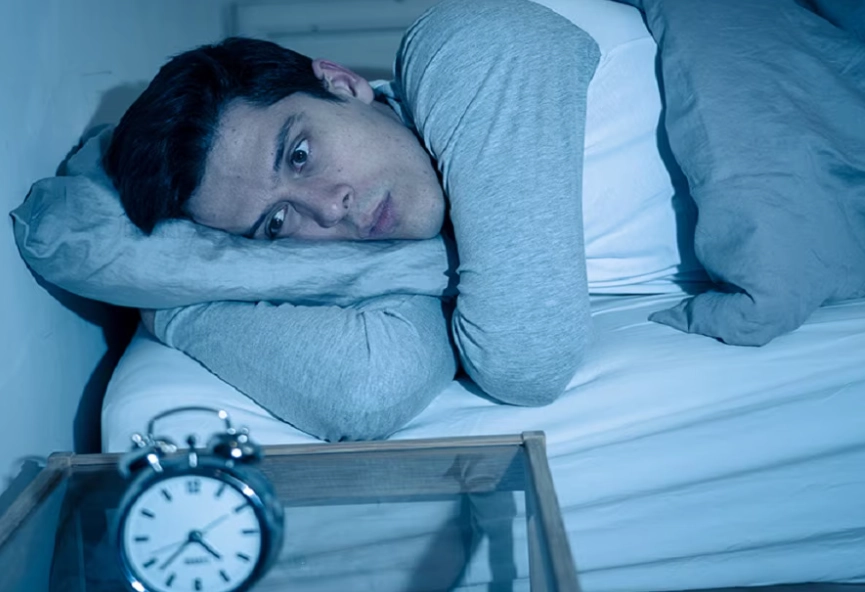
Progressive Muscle Relaxation (PMR) - The Forgotten Gem
Most guides tell you to tense and relax muscles from toes to head. The problem? If you have tension, tensing it more can sometimes cause cramps. Here's my modified version: Focus only on the release. Lying in bed, bring your attention to your feet. Don't tense them. Just think, "Let my feet go completely heavy and soft." Feel them sink into the mattress. Slowly move up your body: ankles, calves, knees, thighs, and so on. Spend 15-20 seconds on each area, focusing solely on the sensation of release. This is often more effective for people who carry chronic tension.
The "Mental Dump" Journal
If your mind is a browser with 50 tabs open, you need to close them. Keep a notebook by your bed. 30 minutes before bed, write down everything on your mind: tasks, worries, ideas, random thoughts. Don't judge or organize. Just dump. Then, physically close the notebook. This symbolic act tells your brain, "It's on paper now. I don't need to hold it in my head overnight."
For some, a to-do list is activating. If that's you, write a "done list." List three things you accomplished today, however small. This fosters a sense of completion and quiets the "I didn't do enough" anxiety.
Your Sleep Questions, Answered
I've tried warm milk and it doesn't work. What am I doing wrong?
You're not doing anything wrong—the effect is likely overstated. Warm milk contains tryptophan, but so do many other foods in higher amounts (like turkey or nuts). The warmth and ritual might be soothing, but the milk itself isn't a powerful sleep aid. If you enjoy it, keep doing it as part of your wind-down routine. If not, swap it for tart cherry juice or a magnesium-rich herbal tea. The key is the consistent pre-bed signal, not the specific liquid.
Is it bad to use my phone in bed if I have a blue light filter?
Yes, it's still suboptimal. Blue light filters help, but they don't block all stimulating light. The bigger issue is content. Scrolling through social media, news, or work emails triggers emotional and cognitive arousal—anxiety, FOMO, excitement, or problem-solving mode. Your brain associates the bed with being alert. The physical act of keeping your phone out of the bedroom is the single most effective environmental change most people can make. Charge it in another room and use a traditional alarm clock.
I fall asleep fine but wake up at 3 AM every night. Which home remedy should I try first?
Early morning awakening is often linked to stress hormones (like cortisol) spiking too early. Address this during the day, not at 3 AM. First, look at your afternoon caffeine intake and eliminate it completely. Second, ensure you're not going to bed too early—being "over-slept" can cause early waking. Third, incorporate daily moderate exercise (like a 30-minute walk), but finish it at least 3 hours before bed. At the moment of waking, don't check the clock or pick up your phone. Practice the release-focused PMR technique in bed. If you're awake for more than 20 minutes, get up, go to a dimly lit chair, and read a boring book until you feel drowsy again. This breaks the anxiety of lying awake in bed.
How long should I stick with a new home remedy before expecting results?
This is where people give up too soon. Your sleep system is a stubborn, ingrained rhythm. Don't expect one night of chamomile tea to fix years of poor sleep habits. Give any new protocol a minimum of two weeks of consistent application. Combine remedies—fix your environment AND establish a routine AND tweak your diet. The effects are cumulative and synergistic. Track your sleep subjectively (how you feel) rather than obsessing over smartwatch data, which can increase anxiety. Improvement often feels gradual—waking up once instead of three times, or falling asleep in 20 minutes instead of 45.
Reader Comments