You're in bed, the room is dark, but your brain is lit up like a Christmas tree. Work deadlines, that awkward thing you said five years ago, tomorrow's to-do list—it's all playing on a loop. You've tried counting sheep, but they just started forming a union and demanding better working conditions. If this sounds familiar, the 54321 sleep method might be the simple, drug-free tool you've been looking for. It's not magic, but a specific grounding technique that pulls your attention away from anxious thoughts and into the present moment using your five senses. I've recommended it to clients for years, and the ones who stick with it often report a significant shift in how quickly they can unwind.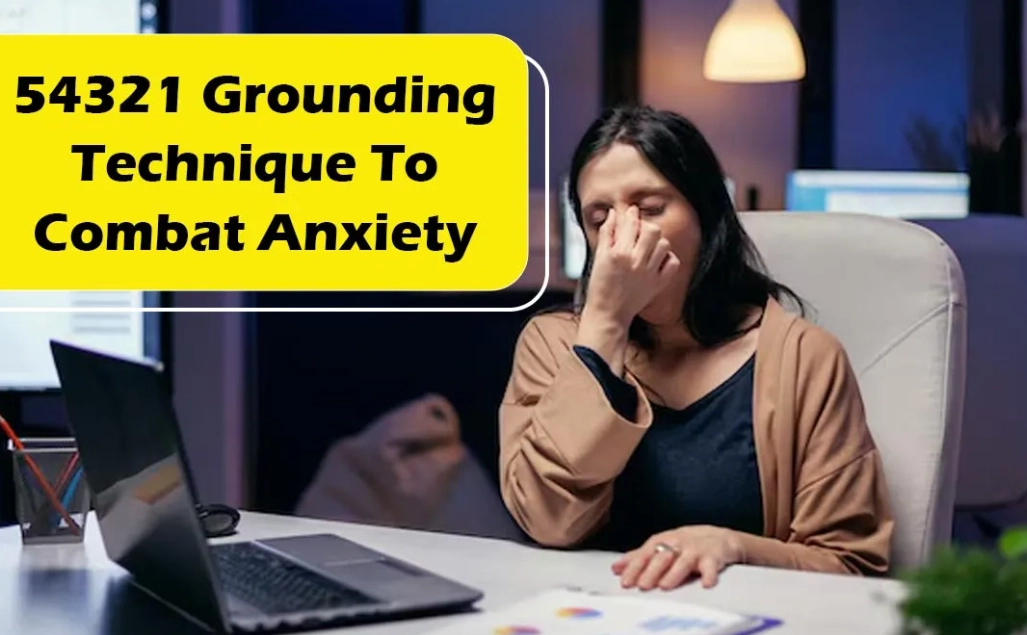
What You'll Find in This Guide
- What Exactly Is the 54321 Method for Sleep?
- The 54321 Method: A Step-by-Step Guide (With Examples)
- Why Does the 54321 Grounding Technique Work for Sleep?
- Common Mistakes People Make (And How to Fix Them)
- 54321 Method vs. Other Sleep Techniques
- Making the 54321 Method Work For You
- Your 54321 Sleep Method Questions Answered
What Exactly Is the 54321 Method for Sleep?
At its core, the 54321 method is a sensory awareness exercise. It's a form of mindfulness that falls under the broader category of grounding techniques, often used in therapies like Cognitive Behavioral Therapy for Insomnia (CBT-I) and for managing anxiety attacks. The numbers 5, 4, 3, 2, 1 are a mnemonic to guide you through a systematic inventory of your immediate environment using each of your five senses.
Here’s the basic blueprint: you mentally note, in this order:
5 things you can see.
4 things you can feel (tactile sensations).
3 things you can hear.
2 things you can smell.
1 thing you can taste.
The goal isn't to fall asleep during the exercise, though it sometimes happens. The real goal is to achieve a state of mental quietness after it. You're essentially forcing your prefrontal cortex—the part of your brain responsible for worry and planning—to switch tasks. You're giving it a simple, concrete job that leaves no room for ruminating on whether you replied to that email correctly.
The 54321 Method: A Step-by-Step Guide (With Examples)
Reading about it is one thing. Doing it is another. Let's walk through exactly how to practice the 54321 sleep method, with concrete examples so you know what to look for. Do this lying in your bed, in the dark.
Step 1: 5 Things You Can See
Even in a dark room, your eyes adjust. Don't strain. Just softly observe.
- The faint outline of the window against the wall.
- The slightly darker shape of your wardrobe.
- The tiny green light on your laptop charger.
- The texture of the ceiling you can barely make out.
- The silhouette of a picture frame.
Key point: It doesn't have to be exciting. "The seam where the wall meets the ceiling" is a perfectly valid observation. The banality is the point.
Step 2: 4 Things You Can Feel
Focus on tactile sensations, the physical contact of your body with its surroundings.
- The weight of the duvet resting on your legs.
- The coolness of the cotton pillowcase against your cheek.
- The slight pressure of your wedding ring on your finger.
- The soft pile of the carpet under your feet (if they're out of the covers).
Step 3: 3 Things You Can Hear
Shift your attention to sound. Listen to the ambient noise of your home at night.
- The low hum of the refrigerator from the kitchen.
- The faint whoosh of air from the heating vent.
- Your own steady breath, in and out.
If it's silent, that's a sound too. Notice the quality of the silence.
Step 4: 2 Things You Can Smell
This one can be tricky. Don't worry if the scents are subtle or mundane.
- The clean scent of freshly washed sheets.
- The lingering hint of your laundry detergent on your pajamas.
- The neutral, "room" smell of the air.
Step 5: 1 Thing You Can Taste
The final anchor. Run your tongue over your teeth or just notice the residual taste in your mouth.
- The minty aftertaste of your toothpaste.
- The neutral taste of saliva.
- A hint of the tea you drank before bed.
Once you complete the sequence, take a deep, slow breath. Notice how your mind feels. It's likely quieter, more anchored in the room than in your worries. That's the space where sleep can begin to happen. Now, just let go and allow yourself to drift off.
Why Does the 54321 Grounding Technique Work for Sleep?
It works on a few levels, both psychological and neurological.
It Breaks the Cycle of Catastrophic Thinking. Insomnia is often fueled by what sleep experts call "performance anxiety"—the stress about not sleeping which itself prevents sleep. The 54321 method is a non-sleep-directed activity. You're not trying to sleep; you're just doing a simple sensory checklist. This takes the pressure off.
It Engages the Parasympathetic Nervous System. By focusing on neutral, present-moment sensory input, you signal safety to your brain. This helps activate the "rest and digest" parasympathetic system, lowering heart rate and calming the body, as opposed to the stress-driven "fight or flight" sympathetic system that keeps you alert. Research from institutions like Harvard Medical School often highlights how mindfulness practices can reduce physiological arousal linked to anxiety and poor sleep.
It Provides a Cognitive Distraction. Your working memory has limited capacity. The 54321 exercise fills that capacity with a specific, sequential task, leaving little room for intrusive thoughts about tomorrow's presentation. It's like giving a hyperactive toddler a complex puzzle—they suddenly get very quiet and focused.
Common Mistakes People Make (And How to Fix Them)
After coaching people on this for a while, I see the same pitfalls over and over. Avoiding these will make the practice 10 times more effective.
Mistake 1: Rushing Through It. They blast through "5 things I see... okay done" in 10 seconds. This doesn't give your brain enough time to disengage from the worry cycle.
The Fix: Slow down. Pause for a second or two between each item. Really *feel* the weight of the blanket. Really *listen* to the layers within a sound.
Mistake 2: Getting Frustrated by Repetition. "I see the same five things every night! This is boring."
The Fix: Boring is the goal. The repetition is a feature, not a bug. It reinforces a calming, predictable routine. Your brain starts to associate this specific, boring sequence with the transition to sleep.
Mistake 3: Giving Up After One Try. They try it once, their mind still wanders, and they declare it "doesn't work."
The Fix: Think of it as a skill, like learning to meditate. Your mind *will* wander. When you notice it has drifted to your grocery list, gently—without judgment—guide it back to the next sense in the sequence. "Okay, I was on '3 things I hear.' Let's find the third one." This act of noticing and returning is where the real mental training happens.
54321 Method vs. Other Sleep Techniques
How does it stack up against other popular advice? It's not a one-size-fits-all, but it has unique advantages.
Vs. Counting Sheep or Backwards from 100: Simple counting is monotonous but doesn't engage multiple senses. It's easier for your mind to autopilot through counting while still worrying in the background. The 54321 method requires more active, diversified attention.
Vs. Body Scan Meditation: A body scan is fantastic for releasing physical tension. But for some people, especially those with high anxiety, focusing inward on bodily sensations can sometimes amplify feelings of discomfort or restlessness. The 54321 method focuses outward on the environment, which can feel safer and more distracting for an anxious mind.
Vs. Reading or Listening to a Podcast: External content engages your brain with narrative or information, which can be stimulating. The 54321 method is deliberately non-narrative and non-stimulating. It's designed to lower cognitive load, not manage it.
The 54321 method is best used as a direct intervention at the moment you're lying in bed unable to switch off. It's a tool for sleep onset, not a general sleep hygiene practice like limiting caffeine.
Making the 54321 Method Work For You
To get the most out of it, integrate it into your wind-down routine. Don't just jump from scrolling social media to doing the 54321 drill.
Try this sequence an hour before bed:
- Put your phone on charge in another room.
- Do something relaxing for 20-30 minutes (read a physical book, listen to calm music, gentle stretching).
- Go to bed when you feel drowsy, not just tired.
- Lights out. Get comfortable.
- Begin the 54321 method slowly and deliberately.
If you finish the sequence and your mind is still chatty, it's perfectly okay to do another round. Or, shift to just focusing on the rhythm of your breath. The point is to have broken the initial cycle of anxiety. You've created a wedge of calm. Now you're maintaining it with a simpler anchor.
Your 54321 Sleep Method Questions Answered
 Is the 54321 method basically the same as mindfulness meditation?
Reader Comments