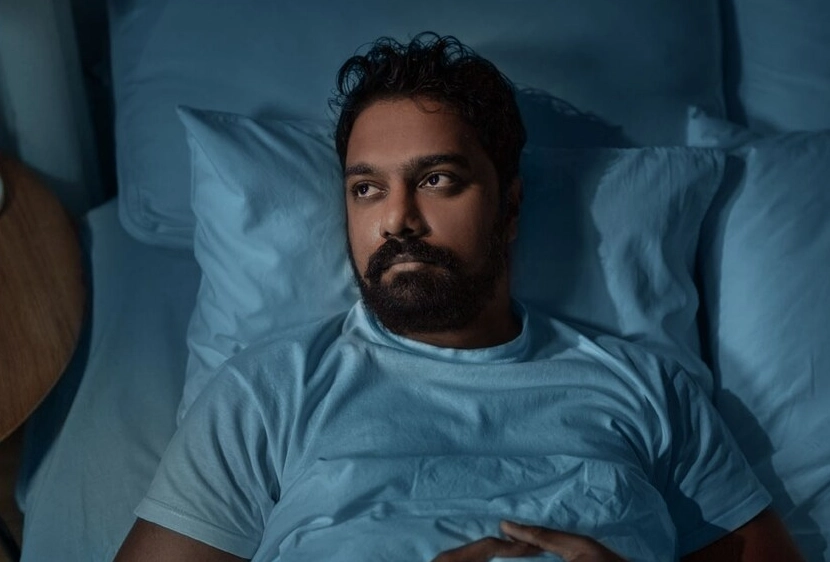
You know the drill. It's 2 AM, the world is quiet, but your brain is hosting a rave. You've tried counting sheep, deep breathing, maybe even that "military sleep method" you saw online. Nothing works. Figuring out why you can't sleep isn't just about naming a single culprit; it's usually a messy cocktail of factors. Based on both research and talking to hundreds of people about their sleep struggles, I've found the reasons usually fall into three big buckets: what's happening in your head, what you do with your body, and underlying health stuff everyone misses.
What's in this guide?
The Mental & Emotional Overload
This is the big one for most people. Your mind is the most powerful sleep disruptor you own.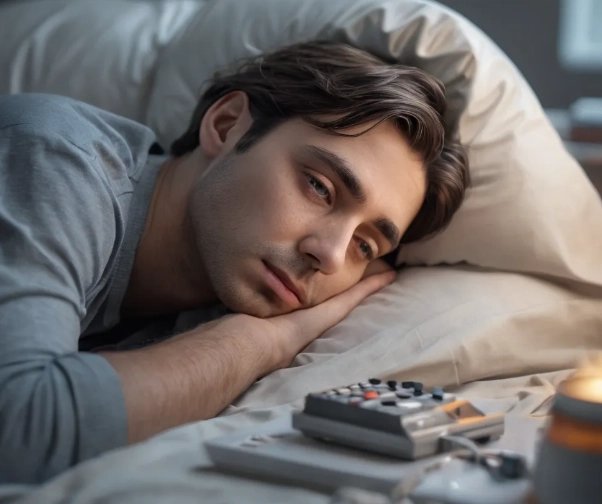
Stress and Anxiety: The Prime Suspects
It's not just "feeling stressed." It's the specific, looping thoughts. The work presentation tomorrow. The unpaid bill. An argument you rehash for the tenth time. This activates your sympathetic nervous system—the fight-or-flight response—releasing cortisol and adrenaline. Your body thinks it's in danger. Falling asleep is the last thing on its evolutionary to-do list. A common mistake? Trying to force yourself to stop thinking. That just adds more pressure. The goal is to redirect, not suppress.
Depression and Mood Disorders
The link here is complex. Depression can cause early morning awakening (waking up at 4 AM filled with dread) or hypersomnia (sleeping too much). The rumination that comes with depression is a sleep killer. It's like a broken record of negative thoughts that plays loudest when the room is dark and quiet.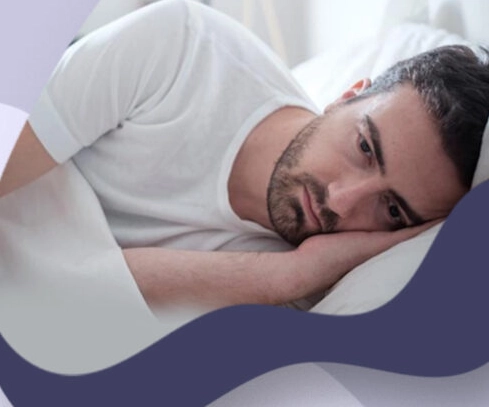
Personal observation: Many people fixate on their bedtime routine but ignore their "mental download" ritual. Spending 15 minutes before bed dumping all worries onto a notepad can do more for your sleep than any expensive mattress. It tells your brain, "It's noted, we'll handle it tomorrow."
Lifestyle & Environmental Sabotage
These are the reasons you have the most direct control over. They're also the easiest to get wrong in subtle ways.
Poor Sleep Hygiene (It's Not Just Brushing Your Teeth)
Sleep hygiene gets a bad rap for being obvious, but the devil's in the details.
- Caffeine & Nicotine: That 3 PM latte has a half-life of 5-6 hours. If you drink it at 3, half of it is still in your system at 8 or 9 PM. Nicotine is a stimulant, period.
- Screen Time: Yes, blue light. But more importantly, the content. Scrolling through stressful news or engaging in heated social media arguments tells your brain it's time for high alert, not rest.
- Irregular Schedule: Sleeping in until noon on weekends confuses your internal clock (circadian rhythm). Your body thrives on predictability.
- Eating & Drinking Too Late: A heavy meal forces your digestive system to work overtime. Alcohol might make you pass out, but it fragments sleep later in the night, leading to non-restorative sleep.
The Bedroom Environment
Is your bedroom a sanctuary or a multi-purpose entertainment unit? Noise, light (even from a charger LED), and temperature matter more than people think. The ideal temperature for sleep is surprisingly cool, around 65°F (18.3°C). A hot room prevents your core body temperature from dropping, which is a key signal for sleep onset.
| Common Habit | Why It Disrupts Sleep | A Subtle, Better Alternative |
|---|---|---|
| Evening Workout | Raises core body temperature and adrenaline too close to bedtime. | Finish intense exercise at least 3 hours before bed. Opt for gentle yoga or stretching in the evening. |
| Long naps ( 30 mins) or naps after 3 PM can reduce sleep drive. |
If you must nap, limit to 20 minutes before 2 PM. Think of it as a system reboot, not a sleep replacement. |
|
| Using the Bed for Everything | Associates the bed with wakeful activities (work, TV), weakening the "bed = sleep" mental link. | Reserve the bed for sleep and intimacy only. If awake for 20 minutes, get up and do something boring in dim light. |
| Watching the Clock | Increases anxiety about lost sleep, creating a vicious cycle of clock-watching and frustration. | Turn the clock face away. Your job is to rest, not to calculate how little sleep you're getting. |
Medical & Physiological Culprits
This is where people often feel stuck. They've "tried everything" but sleep is still elusive. It might be time to look under the hood.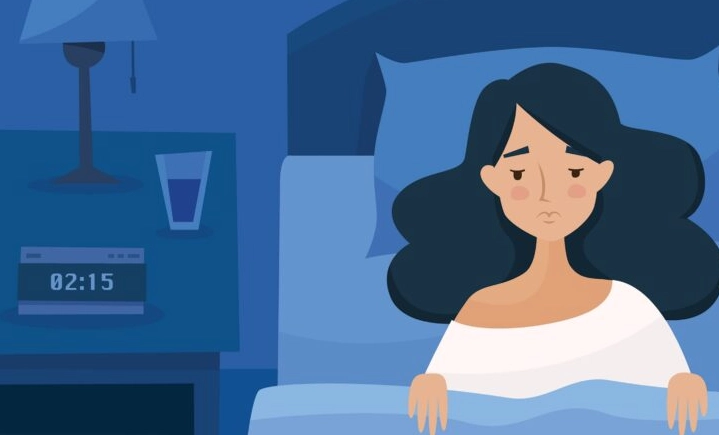
Sleep Disorders Themselves
These aren't just symptoms; they are primary conditions. According to resources like the American Academy of Sleep Medicine, the most common ones include:
- Sleep Apnea: Repeated breathing interruptions. You might not remember waking up gasping, but your partner might notice loud snoring and pauses. It leads to severe sleep fragmentation and daytime fatigue.
- Restless Legs Syndrome (RLS): An irresistible urge to move the legs, often with uncomfortable sensations, that worsens at rest and in the evening.
- Circadian Rhythm Disorders: Your internal clock is fundamentally out of sync with the day-night cycle (e.g., Delayed Sleep Phase Disorder—a true night owl).
Other Medical Conditions and Medications
Chronic pain (arthritis, back pain), acid reflux (GERD), asthma, and an overactive thyroid can all make sleep a challenge. Furthermore, many common medications list insomnia as a side effect. These include some antidepressants, blood pressure medications, and stimulants for ADHD. Always review your medications with a doctor or pharmacist—never stop taking them on your own.
The interplay is real. For example, chronic pain from a medical condition can lead to anxiety about sleep, which then worsens the pain perception, creating a perfect storm for sleeplessness.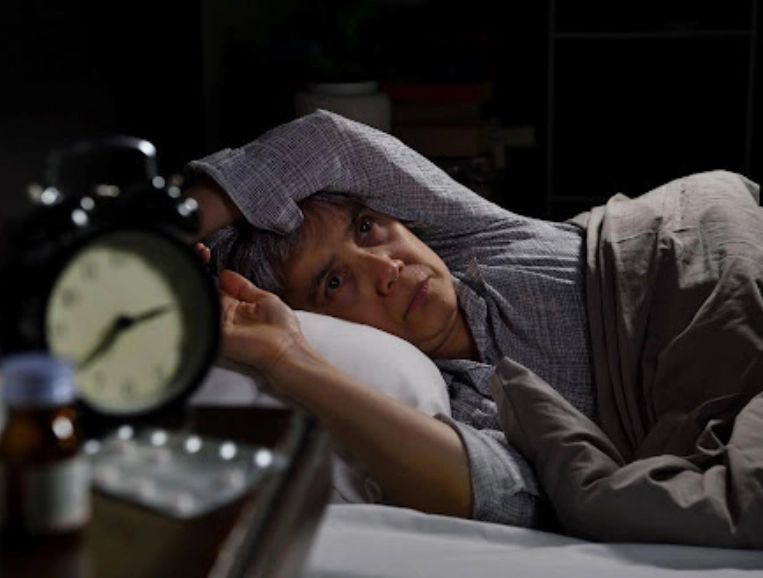
Reader Comments